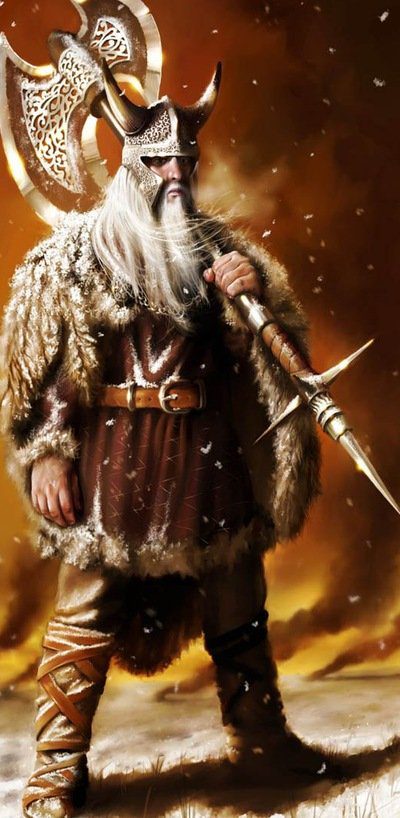
In Norse mythology, Ve is a significant figure associated with the creation of the world and the shaping of human life. He is often considered one of the sons of the god Buri, alongside his brothers Vili and Odin. Together, these three gods played a crucial role in the formation of the cosmos and the establishment of order in the universe. The story of Ve is intertwined with themes of creation, sacrifice, and the complex relationships among the deities of the Norse pantheon. To fully understand Ve’s importance, it is essential to explore his origins, his role in creation, and his relationship with other gods.
Origins of Ve
Ve’s origins are steeped in the rich tapestry of Norse mythology. He is one of the first beings to emerge from the primordial void known as Ginnungagap. According to the myths, the world began with the melting of ice and the emergence of the first beings. Ve, along with his brothers, came into existence in this chaotic environment. Their father, Buri, was the first god, and he played a vital role in shaping the world. The brothers’ emergence marks the beginning of a new order in the universe, where chaos gives way to creation.
The creation story of Ve and his brothers emphasizes the importance of familial bonds in Norse mythology. They are not just individual deities; they represent a collective force that works together to bring about significant changes in the world. This unity is crucial in their quest to create a stable environment for both gods and humans. The relationships among the gods often reflect the complexities of family dynamics, where loyalty, rivalry, and cooperation coexist.
Ve’s Role in Creation
Ve’s primary role in creation is highlighted in the myth of the formation of Midgard, the world of humans. Along with Odin and Vili, Ve participated in the creation of the first humans, Ask and Embla. According to the myth, the three brothers found two logs washed ashore and decided to give them life. Each brother contributed unique gifts to the creation of humanity. Odin bestowed breath and spirit, Vili gave intelligence and emotion, while Ve provided physical form and the senses.
 Vanaheim
This collaborative effort among the brothers illustrates the interconnectedness of their roles. Ve’s contribution is often overlooked, but it is crucial to understanding how humans were brought into existence. The act of creation is a significant theme in Norse mythology, and Ve’s involvement highlights the importance of cooperation and shared responsibility among the gods. Each brother’s gift complements the others, emphasizing that creation is a multifaceted process.
Ve’s Attributes and Symbols
Ve is often associated with several attributes and symbols that reflect his role in creation. One of the most notable symbols is the tree, particularly the Yggdrasil, which represents the interconnectedness of all life in the cosmos. This tree serves as a reminder of the origins of the world and the importance of growth and stability. In Norse mythology, trees are sacred, and their presence signifies life and vitality. Ve’s association with trees underscores his role in shaping the physical form of humanity.
- Tree of Life: Symbolizes growth and interconnectedness.
- Water: Represents the life-giving force and the source of creation.
- Light: Often associated with enlightenment and clarity.
Another significant attribute of Ve is light. In many cultures, light symbolizes knowledge, clarity, and enlightenment. In the context of Norse mythology, Ve’s contribution to humanity’s physical form can be seen as a gift of light, enabling humans to perceive and interact with the world around them. This aspect of Ve’s character aligns with the broader themes of creation and the establishment of order in the universe.
 Valkyries
Ve’s Relationship with Odin and Vili
The relationship between Ve, Odin, and Vili is central to understanding the dynamics of the Norse pantheon. As brothers, they share a deep bond, but their roles often intersect in complex ways. Odin, the chief god, is often seen as the most powerful and wise among them. Vili, on the other hand, represents the emotional and instinctual aspects of existence. Ve’s role balances the scales between these two aspects, as he provides the physical form necessary for the other attributes to manifest.
This triad of gods reflects the interconnectedness of different aspects of life. The creation of humanity is not just a physical act; it involves the integration of spirit, emotion, and form. Ve’s contributions are essential for this integration, showcasing the importance of harmony among different elements in the process of creation. The brothers’ relationship illustrates the idea that each god has a unique role, but they must work together to achieve a common goal.
The Legacy of Ve in Norse Mythology
Ve’s legacy in Norse mythology extends beyond the act of creation. He represents the enduring connection between the gods and humanity. In many ways, his contributions to the formation of humans symbolize the divine spark present in all people. This idea is prevalent in various mythological narratives, where the gods are seen as having a direct impact on the lives of mortals. Ve’s role emphasizes the notion that humanity is not separate from the divine but is instead a part of a larger cosmic order.
Moreover, Ve’s significance can be observed in the rituals and practices of the ancient Norse people. They often sought to honor the gods through offerings and ceremonies, recognizing the interconnectedness of all beings. By acknowledging the contributions of deities like Ve, they reinforced the importance of maintaining a harmonious relationship with the divine. This connection between the gods and humans is a recurring theme in Norse mythology, reflecting the belief that the actions of the gods directly influence the lives of mortals.
Ve in Modern Culture
In contemporary culture, the figure of Ve may not be as widely recognized as other Norse gods, but his influence persists in various forms. Many modern adaptations of Norse mythology, such as literature, movies, and video games, draw upon the rich tapestry of these ancient stories. While Ve may not be the central figure in these adaptations, his role in creation and his relationships with other gods often serve as a backdrop for exploring themes of humanity, existence, and the nature of divinity.
- Literature: Modern authors often reference Norse mythology, weaving in characters and themes inspired by ancient tales.
- Movies: Films that explore Norse mythology may depict the creation stories, highlighting the roles of various gods.
- Video Games: Many games incorporate Norse mythology, allowing players to interact with gods like Odin, Vili, and Ve.
The enduring appeal of Norse mythology lies in its exploration of fundamental questions about existence and the nature of life. Ve’s contributions to the creation of humanity resonate with audiences today, as they reflect the ongoing search for meaning and connection in a complex world. As modern interpretations of these ancient stories continue to evolve, the legacy of Ve and his brothers remains an integral part of the rich narrative tapestry of Norse mythology.
Ve’s Influence on Other Mythologies
While Ve is a distinct figure in Norse mythology, his role in creation and his relationships with other deities echo themes found in various mythologies worldwide. Many cultures have their own creation stories that involve divine beings shaping the world and humanity. The similarities between these narratives highlight a universal human desire to understand the origins of existence and the nature of life.
For example, in Hindu mythology, the god Brahma is often associated with creation, similar to the roles of Odin, Vili, and Ve in Norse mythology. Both narratives emphasize the collaborative nature of creation, where multiple divine beings contribute to the formation of the universe. This parallel illustrates how different cultures grapple with similar questions about existence, often arriving at comparable conclusions about the importance of divine cooperation.
Comparative Analysis
In a comparative analysis of Ve and other creation figures, we can observe several key similarities and differences. For instance, both Ve and Brahma serve as creators who shape the physical world and humanity. However, the cultural contexts surrounding their stories differ significantly. Norse mythology often emphasizes the chaotic nature of creation, reflecting the harsh realities of the Viking Age, while Hindu mythology tends to portray a more orderly and harmonious process.
- Chaos vs. Order: Norse creation involves chaos, while Hindu creation emphasizes harmony.
- Divine Cooperation: Both narratives highlight the importance of collaboration among gods.
- Human Connection: Both mythologies explore the connection between gods and humanity.
This comparative perspective enriches our understanding of Ve’s role in Norse mythology, revealing how his character resonates with broader themes of creation and existence found across cultures. By examining these connections, we gain insight into the human experience and the timeless questions that arise from our quest for meaning.
The Symbolism of Creation in Norse Mythology
The act of creation in Norse mythology is laden with symbolism that reflects the values and beliefs of the ancient Norse people. The story of Ve and his brothers embodies the idea that creation is not merely a physical act but also a spiritual and emotional journey. Each element of the creation myth carries significance, from the primordial void of Ginnungagap to the gifts bestowed upon humanity.
One of the central symbols in this narrative is the cosmic tree, Yggdrasil. This tree represents the interconnectedness of all life and the balance between different realms, including Asgard (the realm of the gods), Midgard (the realm of humans), and Hel (the realm of the dead). Yggdrasil serves as a reminder that creation is an ongoing process, with all beings playing a role in maintaining the balance of the cosmos.
Lessons from the Creation Myth
The creation myth involving Ve offers valuable lessons that extend beyond the realm of mythology. It teaches us about the importance of cooperation and collaboration in achieving common goals. Just as Ve, Odin, and Vili worked together to create humanity, we too can learn to value the contributions of others in our endeavors. This lesson is particularly relevant in today’s interconnected world, where teamwork and collaboration are essential for success.
- Collaboration: The importance of working together towards a common goal.
- Interconnectedness: Recognizing the relationships between different aspects of life.
- Respect for Creation: Understanding the value of all forms of life and their roles in the cosmos.
Additionally, the creation myth encourages us to reflect on our own existence and our place in the universe. It invites us to consider the divine spark within us and the potential for growth and transformation. Just as Ve played a crucial role in shaping humanity, we too have the capacity to shape our lives and contribute to the world around us.
Ve in the Context of Norse Cosmology
Ve’s significance is further illuminated when we consider the broader context of Norse cosmology. The Norse universe is composed of nine realms, each with its own unique characteristics and inhabitants. Ve’s role in creation connects him to various realms, emphasizing the interconnectedness of all beings. This cosmological framework underscores the idea that creation is not a singular event but a continuous process involving multiple dimensions of existence.
The nine realms include Asgard, Midgard, Vanaheim, and Hel, among others. Each realm represents different aspects of life, death, and the divine. Ve’s contributions to the creation of humanity position him as a bridge between the divine and mortal realms. His role highlights the importance of understanding the relationships between different realms and the impact they have on one another.
The Interplay of Fate and Free Will
In Norse mythology, the concepts of fate and free will are intricately woven into the narrative. While the gods, including Ve, play a crucial role in creation, the idea of Wyrd (fate) suggests that certain events are predetermined. This interplay between fate and free will raises profound questions about the nature of existence and the extent to which individuals can shape their destinies.
- Fate: The concept that certain events are predetermined and unavoidable.
- Free Will: The ability of individuals to make choices and influence their lives.
- Divine Influence: The role of gods in shaping human destinies.
Ve’s role in creation can be viewed through this lens, as he contributes to the shaping of humanity while also acknowledging the limitations imposed by fate. This duality reflects the complexities of life, where individuals must navigate the tension between their desires and the circumstances that surround them. The stories of Norse mythology serve as a reminder that while we may have the power to shape our lives, we are also part of a larger cosmic order that influences our paths.
Conclusion: The Enduring Relevance of Ve
Ve’s significance in Norse mythology extends far beyond his role in creation. He embodies the themes of cooperation, interconnectedness, and the divine spark within humanity. As we explore the complexities of existence, Ve serves as a reminder of the importance of recognizing our relationships with others and the world around us. The lessons derived from his story continue to resonate in contemporary culture, inviting us to reflect on our own lives and the impact we have on the universe.
Through the lens of Norse mythology, we gain valuable insights into the nature of creation, the interconnectedness of all beings, and the ongoing search for meaning. Ve’s legacy endures as we navigate the complexities of existence, encouraging us to embrace the collaborative spirit and recognize the divine potential within ourselves and others.