In Norse mythology, Vidar is known as the silent god, a figure associated with vengeance and strength. He is one of the sons of Odin, the chief of the gods, and his mother is the giantess Gríðr. Vidar plays a significant role in the myths surrounding Ragnarök, the end of the world in Norse belief. His character embodies themes of resilience and the inevitable cycle of destruction and rebirth, which are central to Norse cosmology. This article explores various aspects of Vidar, including his origins, characteristics, and his role in the events of Ragnarök.
Origins of Vidar
Vidar is one of the lesser-known gods in the Norse pantheon, but his origins are quite fascinating. He is often referred to as one of the Vans, a group of deities associated with fertility and prosperity. However, he is primarily linked to the Aesir, the main group of gods, through his father Odin. Vidar’s mother, Gríðr, is a giantess, which adds a layer of complexity to his character. This dual heritage allows Vidar to embody traits from both the gods and the giants, making him a unique figure in Norse mythology.
 Verdandi
In the stories, Vidar is often depicted as a strong and silent figure. He is not as well-known as his brothers, such as Thor or Baldr, but his strength is unparalleled. The name Vidar itself means “the wide one” or “the forest,” which may reflect his connection to nature and wilderness. His character is not only defined by his lineage but also by the responsibilities he takes on, especially during the catastrophic events of Ragnarök. The myths emphasize his role as a protector of the world and a defender of his father’s legacy.
Characteristics of Vidar
Vidar is often portrayed as a figure of immense strength and silence. Unlike many other gods who are known for their boisterous personalities, Vidar embodies a quiet power. He is described as a giant of a man, standing tall and strong, with the ability to endure great hardships. His silence is not a sign of weakness; instead, it signifies his deep understanding of the world and the inevitability of fate. Vidar’s silence allows him to listen and observe, making him a wise figure in the Norse pantheon.
 Ve
VeAnother defining characteristic of Vidar is his vengeful nature. During Ragnarök, when Odin is killed by the wolf Fenrir, Vidar seeks vengeance for his father’s death. This desire for retribution is a crucial aspect of his character, showcasing the theme of familial loyalty that is prevalent in Norse myths. Vidar’s actions during this cataclysmic event highlight the importance of honor and revenge in Norse culture, where a god’s duty to his family often outweighs other considerations.
Vidar’s Powers and Abilities
Vidar possesses several remarkable powers that set him apart from other gods. His most notable ability is his immense strength, which allows him to confront powerful foes. He is often depicted as being capable of lifting and carrying great weights, symbolizing the strength of nature itself. This physical power is complemented by his resilience, enabling him to withstand the chaos of Ragnarök and emerge as a survivor in the aftermath of destruction.
- Immense Strength: Vidar’s physical prowess is unmatched, allowing him to take on formidable opponents.
- Resilience: His ability to endure hardships makes him a symbol of survival and persistence.
- Vengeful Spirit: Vidar’s desire for revenge drives him to confront those who threaten his family.
In addition to his physical abilities, Vidar is also associated with the forest and wilderness. This connection grants him a unique understanding of nature, allowing him to navigate and survive in harsh environments. The forest is often seen as a place of mystery and danger in Norse mythology, and Vidar’s affinity for it highlights his role as a protector of the natural world. His powers reflect the duality of creation and destruction, embodying the balance that is essential in Norse cosmology.
 Vanir
VanirVidar and Ragnarök
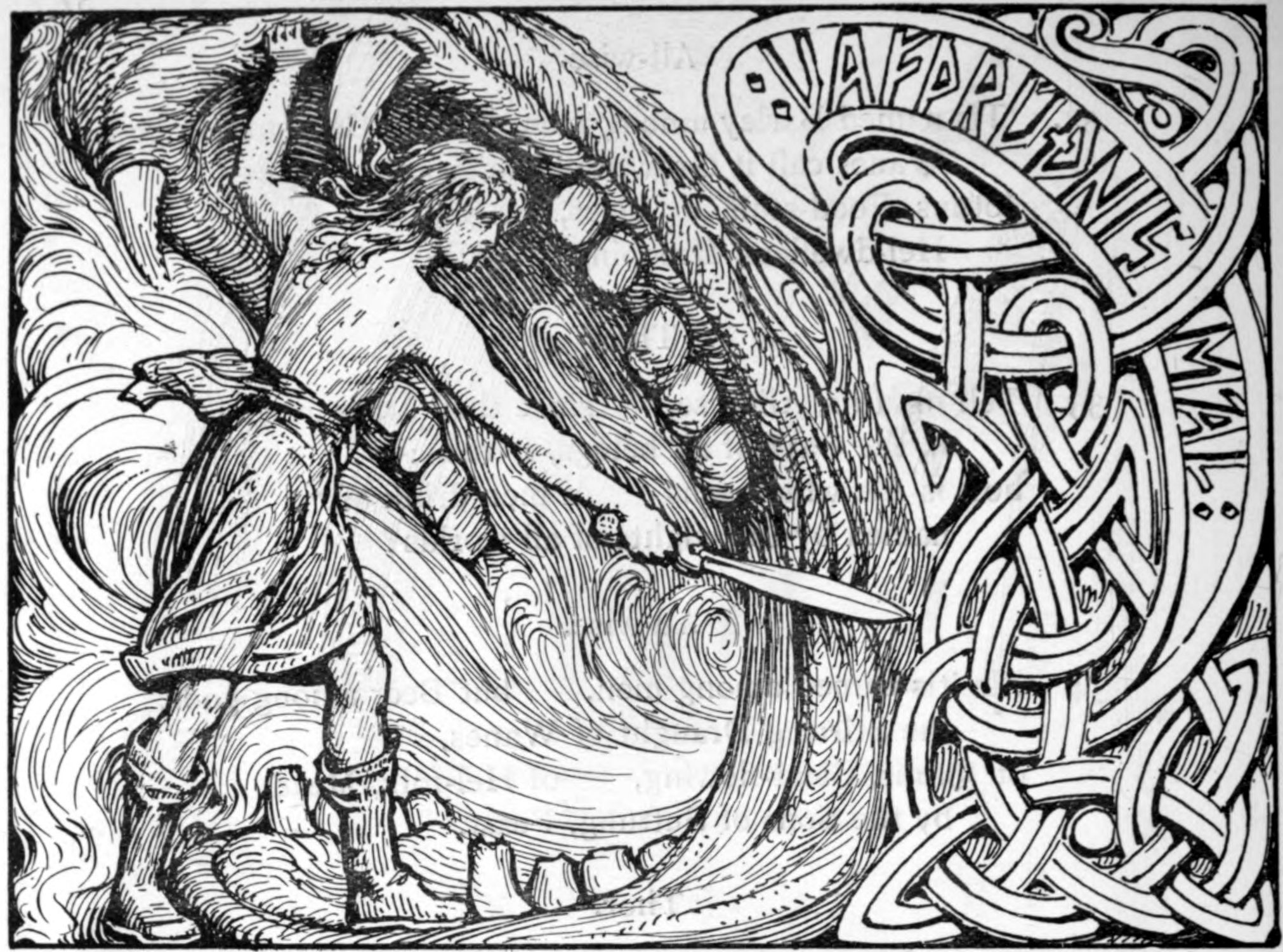
The role of Vidar in the events of Ragnarök is one of the most significant aspects of his character. As the prophecy unfolds, the world descends into chaos, and the gods face their ultimate challenges. Vidar’s moment of glory comes when he confronts Fenrir, the monstrous wolf that has been prophesied to kill Odin. In this pivotal moment, Vidar’s strength and vengeance are put to the test, as he seeks to avenge his father’s death and fulfill his destiny.
According to the myths, Vidar engages Fenrir in a fierce battle. Armed with a special boot made from the scraps of all the shoes worn by humanity, he is able to trap the wolf’s jaws. This boot symbolizes the connection between humans and gods, as it is crafted from the remnants of human life. Vidar’s ability to overpower Fenrir not only signifies his strength but also represents the triumph of order over chaos. By defeating Fenrir, Vidar restores balance to the world, even amidst the destruction of Ragnarök.
The Symbolism of Vidar’s Actions
Vidar’s actions during Ragnarök carry deep symbolism within Norse mythology. His confrontation with Fenrir is not merely a physical battle; it represents the struggle between good and evil, order and chaos. Vidar’s victory over the wolf signifies the resilience of life and the continuation of the cycle of existence. Even in the face of destruction, Vidar emerges as a symbol of hope and renewal, emphasizing the idea that life will persist despite overwhelming odds.
- Restoration of Balance: Vidar’s defeat of Fenrir restores order to the cosmos.
- Symbol of Hope: His survival and victory signify the possibility of renewal after chaos.
- Connection to Humanity: The boot symbolizes the intertwined fates of gods and humans.
Additionally, Vidar’s role in Ragnarök reflects the Norse belief in fate and destiny. His actions are not merely reactions to the events around him; they are part of a larger cosmic plan. The inevitability of Ragnarök is a central theme in Norse mythology, and Vidar’s participation underscores the idea that all beings, both divine and mortal, are bound by fate. This connection to destiny adds depth to Vidar’s character and emphasizes the significance of his actions within the broader narrative of Norse myths.
Vidar in Norse Literature
Vidar is mentioned in several ancient Norse texts, including the Poetic Edda and the Prose Edda. These texts serve as primary sources for understanding Norse mythology and provide valuable insights into Vidar’s character and role in the pantheon. The Poetic Edda, a collection of poems, contains verses that reference Vidar’s strength and his involvement in Ragnarök. These references highlight the importance of his character in the mythological landscape.
In the Prose Edda, written by Snorri Sturluson in the 13th century, Vidar is described in more detail. Snorri provides a narrative that outlines the events of Ragnarök, emphasizing Vidar’s confrontation with Fenrir. His portrayal in these texts is significant, as it helps to solidify his status as a god of vengeance and strength. The literature captures the essence of Vidar’s character, showcasing his importance within the Norse mythological framework.
The Legacy of Vidar
Despite being a lesser-known figure, Vidar’s legacy endures in modern interpretations of Norse mythology. His character has inspired various forms of art, literature, and popular culture. The themes of strength, resilience, and vengeance resonate with audiences, making Vidar a compelling figure in contemporary retellings of Norse myths. His role in Ragnarök serves as a reminder of the complexities of fate and the enduring struggle between good and evil.
- Influence on Modern Culture: Vidar’s character continues to inspire artists and writers today.
- Themes of Resilience: His story reflects the human experience of overcoming adversity.
- Symbol of Strength: Vidar embodies qualities that are celebrated in various cultures.
In addition to artistic representations, Vidar’s character has also found a place in modern media, including films, television shows, and video games. These adaptations often highlight his strength and role in Ragnarök, bringing new audiences to the rich tapestry of Norse mythology. As interest in Norse myths continues to grow, Vidar’s story remains relevant, showcasing the timeless nature of these ancient tales.
Vidar, the silent god of vengeance, occupies a unique place in Norse mythology. His origins, characteristics, and role in Ragnarök illustrate the complexities of fate, strength, and resilience. Through his actions, Vidar embodies the enduring themes of Norse cosmology, highlighting the interconnectedness of all beings and the cyclical nature of existence. As a symbol of hope and renewal, Vidar’s legacy continues to inspire and resonate with audiences, ensuring that his story remains an integral part of the Norse mythological tradition.