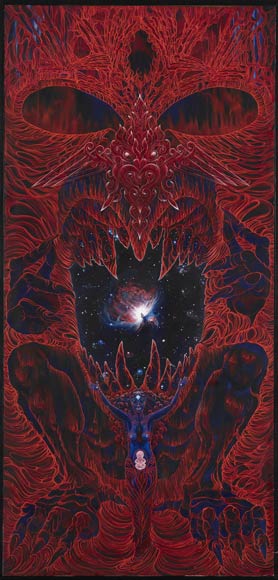
In Maori mythology, Whiro is a significant figure who embodies various themes and concepts. He is often associated with darkness, chaos, and the underworld. The stories surrounding Whiro provide insights into the Maori understanding of the world, illustrating the balance between light and dark, good and evil. This article explores the rich tapestry of Whiro’s mythology, his role in the creation stories, and his interactions with other important deities in Maori culture.
The Origins of Whiro
Whiro’s origins are deeply rooted in the creation narratives of the Maori. According to these stories, Whiro was born from the union of Rangi (the sky) and Papa (the earth). His siblings, including Tane, the god of forests and birds, and Tu, the god of war, played pivotal roles in shaping the world. Whiro’s birth represented the darker aspects of existence, which were essential to balance the creation process. While his brothers brought forth light and life, Whiro introduced the elements of death and destruction.
 Whaitiri
In many Maori traditions, Whiro is viewed as a necessary force. His existence reminds people that life is not just about joy and happiness; it also includes sorrow and loss. This duality is a fundamental aspect of Maori beliefs, where all things are interconnected. Whiro’s character serves as a reminder that darkness must coexist with light, emphasizing the importance of understanding both sides of existence.
Whiro’s Role in Maori Mythology
Whiro’s role in Maori mythology extends beyond mere representation of darkness. He is often depicted as a trickster and a challenger, constantly opposing the forces of creation and growth. This aspect of his character is crucial in various stories where he interacts with his brothers and other deities. Whiro’s actions often lead to significant events that shape the world, making him a vital player in the cosmic drama of Maori beliefs.
One of the most notable stories involving Whiro is the conflict between him and Tane. Tane, as the god of forests, represents growth and vitality, while Whiro embodies decay and chaos. Their struggles symbolize the ongoing battle between life and death. In these narratives, Whiro attempts to undermine Tane’s creations, leading to a cycle of destruction and rebirth that is essential for the natural world to flourish.
 Wai-ora-a-tane
Key Themes in Whiro’s Mythology
- Duality: The balance between light and darkness.
- Chaos vs. Order: Whiro as a force of disruption.
- Life and Death: The interconnectedness of all existence.
- Trickster Figure: The role of deception in creation stories.
These themes highlight the complexity of Whiro’s character. He is not merely a villain; instead, he represents the necessary struggles that lead to growth and understanding. His presence in the stories serves as a reminder that challenges and obstacles are integral to the human experience. Through Whiro, the Maori people learn to embrace the darker aspects of life, understanding that they are just as important as the brighter moments.
Whiro and the Underworld
Whiro is often associated with the underworld, known as Rarohenga in Maori mythology. This realm is where the spirits of the dead reside, and it is also a place of transformation. Whiro’s connection to Rarohenga emphasizes his role as a guide for souls transitioning from the world of the living to the afterlife. In this context, he is seen as both a protector and a harbinger of death.
The underworld in Maori beliefs is not merely a place of despair; it is also a realm of potential. Whiro’s presence here signifies the importance of acknowledging death as part of the life cycle. In many stories, he assists souls in navigating the challenges of the afterlife, ensuring they reach their final resting place. This aspect of Whiro’s character reinforces the idea that death is not an end but a continuation of existence in a different form.
 Uenuku
Whiro in Modern Maori Culture
In contemporary Maori culture, Whiro continues to hold significance. Many Maori people honor him through various forms of art, storytelling, and cultural practices. His stories are often shared in schools and community gatherings, serving as a means of preserving Maori heritage. The lessons learned from Whiro’s myths resonate with the challenges faced by individuals and communities today.
Whiro’s character has also found its way into modern literature and media, where he is depicted in various ways. Some portray him as a purely malevolent figure, while others emphasize his complexity and the necessity of his role in the cosmic balance. This duality reflects the ongoing conversation within Maori communities about the importance of understanding their mythology in a contemporary context.
Whiro’s Influence on Art and Literature
- Traditional Carvings: Representations of Whiro in Maori art.
- Storytelling: Oral traditions that keep his stories alive.
- Modern Literature: Novels and poems featuring Whiro’s character.
- Film and Media: Adaptations of Maori myths incorporating Whiro.
Through these artistic expressions, Whiro’s legacy endures, reminding future generations of the importance of understanding both the light and dark aspects of life. His stories teach valuable lessons about resilience, the inevitability of change, and the need for balance in all things. By engaging with Whiro’s mythology, Maori people continue to connect with their cultural roots while navigating the complexities of modern life.
The Lessons of Whiro
Whiro’s mythology offers profound lessons that extend beyond the stories themselves. One of the key teachings is the acceptance of impermanence. Life is filled with moments of joy and sorrow, and understanding this duality can lead to greater resilience. Whiro’s presence in the stories serves as a reminder that challenges are part of the human experience and that overcoming them can lead to personal growth.
Another important lesson from Whiro’s tales is the significance of community. In many stories, the interactions between Whiro and other deities highlight the importance of collaboration and support. The struggles faced by the characters often require teamwork and unity, emphasizing that individuals are stronger together. This theme resonates with Maori cultural values, where community plays a central role in daily life.
Reflections on Whiro’s Legacy
- Embracing Challenges: Learning from difficulties.
- Community Strength: The power of working together.
- Understanding Duality: The balance of life and death.
- Cultural Preservation: Keeping traditions alive through storytelling.
Ultimately, Whiro’s legacy is one of resilience and understanding. By exploring his stories, individuals can gain insights into their own lives and the world around them. The teachings of Whiro encourage people to embrace all aspects of existence, recognizing that both light and darkness are essential for a complete understanding of life.
Through the exploration of Whiro in Maori mythology, we gain a deeper appreciation for the complexity of existence. His role as a trickster, guide, and embodiment of darkness provides a multifaceted perspective on life, death, and the natural world. As we reflect on Whiro’s stories, we are reminded of the importance of balance, community, and resilience in our own lives. The teachings of Whiro continue to resonate, offering valuable lessons that transcend time and culture.