
Tian is a significant concept in Chinese mythology and philosophy, often translated as “heaven” or “sky.” In ancient Chinese cosmology, Tian represents a divine force that governs the universe and influences the fate of humanity. The understanding of Tian varies across different historical periods and philosophical schools, but it consistently holds a central role in the worldview of the Chinese people. This article will explore the various aspects of Tian, its importance in mythology, and its influence on Chinese culture and society.
Origins of Tian in Chinese Mythology
The concept of Tian has its roots in ancient Chinese texts, with some of the earliest references found in the Shijing (Book of Songs) and the Yijing (Book of Changes). In these texts, Tian is depicted as a powerful and benevolent force that oversees the natural order. It is often associated with the idea of a supreme deity, reflecting the ancient Chinese belief in a cosmic order that is both moral and ethical. This belief suggests that Tian not only governs the physical world but also has a hand in the moral actions of humanity.
 Taotie
Throughout history, the interpretation of Tian has evolved. In the early periods, Tian was seen as a personal deity who could intervene in human affairs. However, as Confucianism and Daoism developed, the notion of Tian shifted towards a more abstract and philosophical understanding. In Confucian thought, Tian is often associated with the concept of ren (benevolence) and the moral responsibilities of individuals. In contrast, Daoism emphasizes harmony with Tian as part of the natural flow of the universe.
Tian and the Mandate of Heaven
One of the most significant aspects of Tian in Chinese mythology is its association with the Mandate of Heaven (Tianming). This ancient political doctrine asserts that the right to rule is granted by Tian, and it can be revoked if a ruler becomes tyrannical or fails to govern justly. The Mandate of Heaven played a crucial role in legitimizing the authority of emperors throughout Chinese history, establishing a moral framework for governance.
The Mandate of Heaven also served as a tool for social and political change. When a dynasty fell into corruption or misrule, it was often said that Tian had withdrawn its support, leading to the rise of a new ruler who would restore order and virtue. This cyclical view of history emphasizes the relationship between Tian and the moral conduct of leaders, highlighting the belief that the heavens favor just and benevolent governance.
 Sun Pin
Key Principles of the Mandate of Heaven
- Legitimacy: Rulers must demonstrate virtue and moral integrity to maintain their power.
- Responsibility: Leaders are accountable for the well-being of their subjects and must govern justly.
- Change: The rise and fall of dynasties reflect the shifting support of Tian based on moral conduct.
- Divine Right: The authority of rulers is seen as a divine appointment rather than mere hereditary succession.
Tian in Daoism
In Daoism, Tian represents the ultimate source of the Dao, or the natural way of the universe. Daoist philosophy emphasizes living in harmony with Tian, which is understood as aligning oneself with the natural rhythms and cycles of life. This perspective encourages individuals to observe nature and cultivate a sense of balance in their lives, reflecting the belief that Tian embodies the principles of yin and yang.
Daoist texts often describe Tian as an ever-present force that influences the flow of life. By understanding and following the Dao, individuals can achieve a sense of tranquility and harmony with the world around them. This relationship with Tian encourages a deep respect for nature and the interconnectedness of all living beings, emphasizing that humans are just one part of a larger cosmic order.
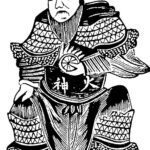 Sui Ren
Tian and Chinese Festivals
Tian plays a significant role in various Chinese festivals that celebrate the changing seasons and honor the natural world. One of the most important festivals is the Mid-Autumn Festival, also known as the Moon Festival. This celebration occurs on the 15th day of the eighth lunar month and is dedicated to the moon, which is often associated with Tian in Chinese culture. Families gather to admire the full moon, share mooncakes, and express gratitude for the harvest.
Another important festival is the Qingming Festival, or Tomb-Sweeping Day, which honors ancestors and the spirits of the deceased. During this time, families visit graves, offer food and incense, and engage in rituals to ensure that their loved ones are at peace in the afterlife. This festival reflects the belief in the connection between Tian, the natural world, and the spiritual realm, emphasizing the importance of honoring both ancestors and the forces that govern life.
Tian in Literature and Art
The influence of Tian can also be seen in Chinese literature and art throughout history. Poets and writers often invoke the imagery of Tian to convey themes of nature, destiny, and the human experience. For instance, classical poets like Li Bai and Du Fu frequently referenced the heavens in their works, using Tian as a symbol of aspiration and the sublime beauty of nature.
In visual arts, Tian is often depicted in landscapes that highlight the majesty of mountains, rivers, and the sky. Artists use these natural elements to express their connection to the cosmos and the divine. The use of space in traditional Chinese painting reflects the idea that Tian is not just a distant realm but an integral part of the natural world that surrounds us.
The Modern Interpretation of Tian
In contemporary society, the concept of Tian continues to resonate with the Chinese people, although its interpretation may differ from ancient beliefs. Many modern Chinese view Tian as a symbol of hope and guidance, representing the aspirations of the nation and the values of harmony and balance. This modern understanding is often reflected in popular culture, literature, and public discourse.
The rise of Chinese nationalism has also influenced how Tian is perceived today. Many people associate Tian with the ideals of progress, unity, and national strength. This shift reflects a desire to connect traditional values with contemporary aspirations, illustrating how ancient concepts can evolve while still retaining their significance in a rapidly changing world.
Tian in Religion
While Tian is primarily associated with Confucianism and Daoism, it also appears in other religious contexts within China. For example, in Buddhism, which was introduced to China from India, Tian is sometimes viewed as a manifestation of higher spiritual realms. Buddhist teachings often emphasize the importance of transcending the material world and connecting with higher states of existence, which can be seen as a parallel to the ancient understanding of Tian.
In folk religion, Tian is often invoked in prayers and rituals. People may appeal to Tian for blessings, protection, and guidance in their daily lives. This aspect of folk religion reflects a deep-rooted belief in the divine influence of Tian on human affairs, reinforcing the idea that individuals can seek a personal connection with the heavens through prayer and ritual.
The Philosophical Implications of Tian
The philosophical implications of Tian extend beyond mythology and religion, influencing various aspects of Chinese thought. The concept raises questions about the nature of existence, the role of humanity in the universe, and the relationship between the individual and the cosmos. Philosophers have long debated the meaning of Tian and its implications for ethics, governance, and personal conduct.
For instance, Confucian thinkers emphasize the importance of aligning one’s actions with the principles of Tian, advocating for a moral framework that promotes harmony and social responsibility. This perspective encourages individuals to reflect on their actions and consider how they contribute to the greater good. In contrast, Daoist philosophy suggests that true wisdom lies in understanding the natural flow of life and embracing simplicity, allowing individuals to connect with Tian without the constraints of societal expectations.
Tian in Contemporary Discussions
In modern discussions, Tian is often referenced in debates about environmentalism and sustainability. As people become increasingly aware of the impact of human actions on the planet, the ancient concept of Tian serves as a reminder of the interconnectedness of all life. Many contemporary thinkers advocate for a return to a more harmonious relationship with nature, echoing the Daoist ideal of living in accordance with the natural order.
Furthermore, the concept of Tian is frequently invoked in discussions about ethics and morality in governance. As societies grapple with issues of justice, equality, and human rights, the teachings associated with Tian provide a framework for evaluating the moral implications of political actions. This ongoing dialogue demonstrates the enduring relevance of Tian in addressing contemporary challenges and shaping societal values.
The Global Influence of Tian
The concept of Tian has not only influenced Chinese culture but has also made its way into global discussions about spirituality, ethics, and environmentalism. Scholars and practitioners from various backgrounds have recognized the value of Tian in promoting a holistic understanding of existence. This cross-cultural exchange highlights the universal themes of interconnectedness and moral responsibility that resonate with people around the world.
As the world becomes more interconnected, the teachings associated with Tian can offer valuable insights into how different cultures approach the relationship between humanity and the cosmos. By exploring the similarities and differences in these perspectives, individuals can foster greater understanding and cooperation in addressing shared global challenges.
The Future of Tian in Chinese Culture
The future of Tian in Chinese culture will likely continue to evolve as society changes and adapts to new circumstances. As younger generations engage with traditional values in innovative ways, the concept of Tian may take on new meanings that reflect contemporary realities. This ongoing evolution demonstrates the resilience of cultural concepts and their ability to resonate with the human experience across time.
In education, for example, there may be a renewed emphasis on teaching the philosophical underpinnings of Tian, encouraging students to explore its relevance in today’s world. This exploration can foster a deeper appreciation for the interconnectedness of life and the importance of ethical conduct in personal and societal choices.
As discussions around environmental issues and social justice gain prominence, the teachings associated with Tian may provide a foundation for cultivating a sense of responsibility towards the planet and future generations. By embracing the wisdom of Tian, individuals can work towards creating a more harmonious and sustainable world.