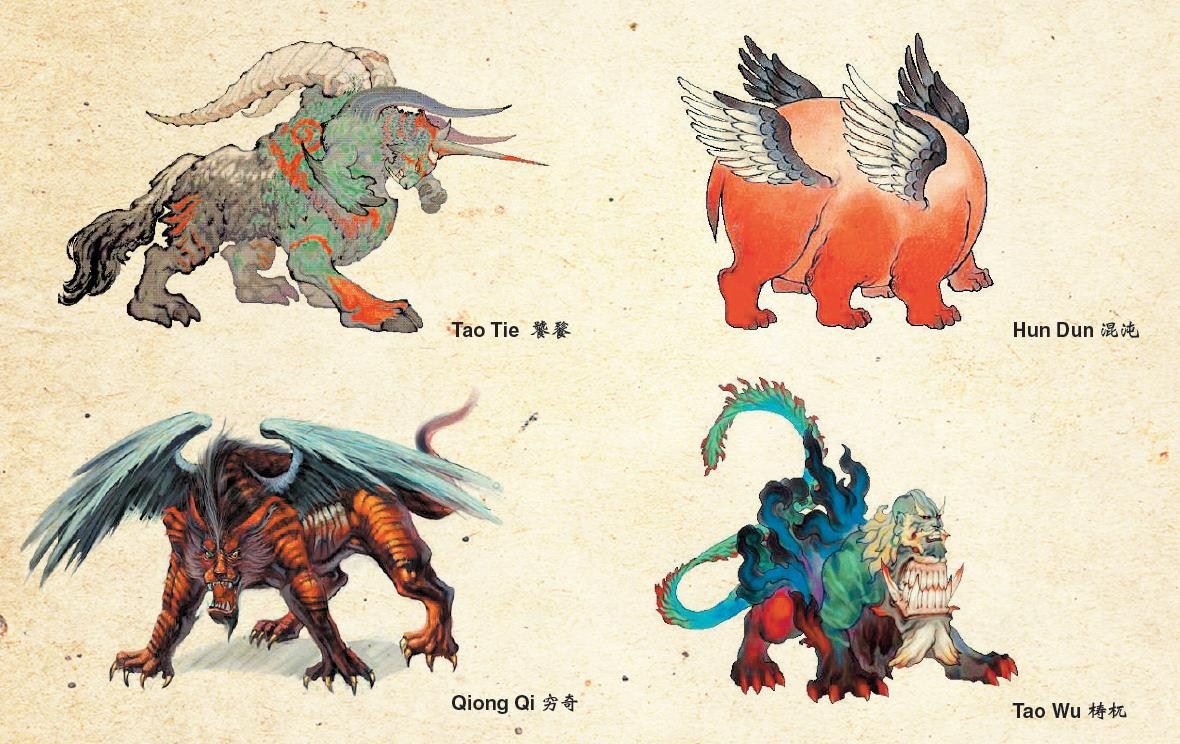
In Chinese mythology, the Taotie is a fascinating creature that has captured the imagination of many. Known for its fearsome appearance and enigmatic nature, the Taotie is often depicted as a monster with a large mouth and a voracious appetite. It is one of the Four Evil Creatures in Chinese folklore, which also includes the Qiongqi, Yinglong, and Taowu. The Taotie has been a significant figure in various cultural artifacts, particularly in ancient Chinese bronze vessels. Its imagery often serves as a reminder of the dangers of greed and excess.
The Origins of Taotie
The origins of the Taotie can be traced back to the Shang Dynasty (1600–1046 BC), where it was commonly represented in bronze vessels used for rituals and sacrifices. These artifacts were adorned with intricate designs, often showcasing the Taotie’s distinctive features. The creature was believed to symbolize consumption and was associated with gluttony. The Taotie serves as a reminder of the consequences of unchecked desire, reflecting the ancient Chinese philosophy that warns against greed.
 Sun Pin
In ancient texts, the Taotie is described as having a large head and an insatiable hunger. It is often portrayed with exaggerated facial features, such as bulging eyes and a wide-open mouth. These characteristics emphasize its gluttonous nature. The creature is also thought to represent the devouring forces of nature, signifying how natural disasters can consume everything in their path. This duality of the Taotie as both a literal monster and a metaphor for excess is a crucial aspect of its mythology.
Symbolism of the Taotie
The symbolism of the Taotie extends beyond its fearsome appearance. It represents various themes in Chinese culture, including greed, excess, and the consequences of overindulgence. The creature is often depicted on ceremonial vessels, where it serves as a warning to those who partake in rituals. The Taotie’s image reminds the participants of the importance of moderation and the dangers of succumbing to temptation.
Moreover, the Taotie is sometimes interpreted as a guardian against evil spirits. In this context, its fearsome visage acts as a protective symbol, warding off negative energies. The duality of the Taotie as both a representation of greed and a protector highlights the complex nature of Chinese mythology, where creatures can embody multiple meanings depending on the context.
 Sui Ren
Taotie in Art and Culture
The Taotie has made a significant impact on Chinese art and culture throughout history. Its image can be found on various artifacts, including bronze vessels, pottery, and textiles. These representations often feature intricate designs that showcase the Taotie’s distinctive facial features. The Shang Dynasty was particularly known for its artistic depictions of the Taotie, as many ceremonial vessels from this period prominently feature the creature.
In addition to its presence in ancient artifacts, the Taotie has also influenced modern art. Contemporary artists often draw inspiration from traditional Chinese mythology, incorporating elements of the Taotie into their work. This resurgence of interest in the Taotie reflects a broader trend in which ancient myths are reinterpreted for modern audiences. By exploring the Taotie in contemporary art, artists bridge the gap between the past and present, highlighting the enduring relevance of Chinese mythology.
Taotie in Literature
The Taotie also appears in various literary works, where it is often used as a metaphor for human vices. In stories and fables, the creature serves as a cautionary tale about the dangers of greed and the importance of self-control. Writers have employed the Taotie to illustrate the consequences of excess, urging readers to reflect on their own behaviors and choices.
 Song Jiang
- Fables: Many fables featuring the Taotie convey moral lessons about moderation.
- Poetry: The creature is often referenced in poetry as a symbol of insatiable desire.
- Folklore: Traditional stories depict encounters with the Taotie, emphasizing its fearsome nature.
Modern Interpretations of Taotie
In modern times, the Taotie has been reinterpreted in various forms, from literature to film and art. Contemporary narratives often explore themes of consumption and materialism, drawing parallels between the ancient myth and modern society. The Taotie serves as a symbol of the excessive nature of consumer culture, prompting discussions about sustainability and responsible living.
Furthermore, the Taotie’s image has become a popular motif in fashion and design. Many designers incorporate elements of the Taotie into their collections, using its distinctive features to create striking visuals. This trend reflects a growing interest in cultural heritage and the desire to connect with traditional narratives in a modern context.
Taotie in Popular Culture
The Taotie has found its way into popular culture, appearing in movies, video games, and other forms of entertainment. In animated films, the creature is often portrayed as a comical yet fearsome character, appealing to audiences of all ages. These portrayals help to introduce the Taotie to a wider audience, making Chinese mythology more accessible and relatable.
In video games, the Taotie often appears as a formidable boss character, challenging players to overcome its insatiable hunger. This interactive representation of the Taotie allows players to engage with the mythology in a dynamic way, creating a new layer of understanding about the creature and its significance.
Merchandising and Branding
The Taotie’s image has also been used in merchandising and branding, particularly in products that aim to evoke a sense of cultural heritage. From home decor to fashion accessories, items featuring the Taotie are marketed as symbols of strength and protection. This commercialization of the Taotie reflects a broader trend in which cultural symbols are repurposed for modern consumption.
- Home Decor: Items like wall art and sculptures often feature the Taotie’s image.
- Fashion: Clothing and accessories inspired by the Taotie are popular among consumers.
- Collectibles: Figurines and other collectibles showcase the Taotie as a symbol of heritage.
Taotie in Comparative Mythology
When examining the Taotie in the context of comparative mythology, it becomes evident that many cultures have similar creatures that embody themes of consumption and excess. For instance, in Western mythology, figures like the Minotaur represent the dangers of unchecked desire. These parallels highlight the universal nature of these themes across different cultures.
In some Native American myths, there are creatures that symbolize greed and the consequences of overindulgence. These comparisons reveal a shared human experience, where societies create narratives to caution against the pitfalls of excessive behavior. The Taotie serves as a unique representation of this theme within Chinese mythology, offering insights into the values and beliefs of ancient Chinese society.
Lessons from the Taotie
The Taotie embodies several important lessons that resonate with contemporary audiences. One of the primary messages is the importance of moderation. In a world that often encourages excess, the Taotie serves as a reminder of the dangers of overindulgence. This lesson is particularly relevant today, as issues such as consumerism and environmental sustainability come to the forefront of societal discussions.
Moreover, the Taotie’s story encourages individuals to reflect on their own desires and motivations. By understanding the consequences of greed, people can strive for a more balanced and fulfilling life. The Taotie’s role as both a monster and a protector emphasizes the complexity of human nature, reminding us that we all possess the capacity for both good and evil.
Modern Applications of Taotie Lessons
In modern society, the lessons derived from the Taotie can be applied in various ways. For instance, individuals can focus on mindful consumption, being aware of their purchasing habits and the impact of their choices on the environment. This practice encourages a more sustainable lifestyle that aligns with the values of moderation embodied by the Taotie.
- Mindfulness: Practicing mindfulness can help individuals make more conscious choices.
- Sustainability: Emphasizing sustainable practices aligns with the lessons of moderation.
- Community: Engaging in community initiatives promotes shared values and collective well-being.
The Taotie in Festivals and Celebrations
The Taotie plays a role in various festivals and celebrations in China, where its image is used to symbolize prosperity and abundance. During the Chinese New Year, decorations featuring the Taotie are common, as they are believed to bring good fortune and ward off evil spirits. This practice highlights the creature’s dual nature as both a fearsome entity and a symbol of protection.
In some regions, traditional performances incorporate elements of the Taotie, where dancers dress as the creature to entertain and educate audiences about its significance. These performances serve to keep the mythology alive, allowing younger generations to connect with their cultural heritage in a meaningful way.
Artistic Representations in Festivals
Artistic representations of the Taotie during festivals often involve elaborate costumes and floats that showcase its fearsome features. These visual displays aim to capture the essence of the Taotie, emphasizing its role as a protector against negative forces. The combination of music, dance, and visual art creates a vibrant celebration that honors the creature’s legacy in Chinese mythology.
- Costumes: Elaborate costumes depicting the Taotie are a highlight of festivals.
- Floats: Festive floats often feature large representations of the Taotie.
- Performances: Dance performances showcase the Taotie’s characteristics and stories.
The Taotie continues to be a relevant figure in Chinese mythology, offering valuable lessons about moderation and the dangers of greed. Its presence in art, literature, and modern culture highlights the enduring significance of this ancient creature. By exploring the Taotie’s origins, symbolism, and contemporary interpretations, we gain insight into the complexities of human nature and the importance of balancing desire with responsibility.