
St. Illtyd is a significant figure in Christian mythology, particularly within the traditions of Wales. He is often celebrated as a saint and is associated with the early Christian church in Britain. The stories surrounding St. Illtyd reflect the values and beliefs of early Christians, as well as the challenges they faced in a world often hostile to their faith. His life and legacy have left a lasting impact on the religious landscape of Wales, and his influence can still be felt today. This article explores the life of St. Illtyd, his contributions to Christianity, and the ways in which he is remembered.
Life of St. Illtyd
The life of St. Illtyd is steeped in legend and tradition. According to various hagiographies, he was born into a noble family in the late 5th or early 6th century. His father was a chieftain, and his mother was a woman of great virtue. From a young age, Illtyd showed a strong inclination towards spirituality and the teachings of Christianity. He was educated by St. Cadoc, another important figure in Welsh Christianity, which laid the foundation for his future endeavors as a religious leader.
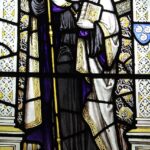 St. Hilda
As he grew older, Illtyd became increasingly devoted to his faith. After receiving a vision, he decided to leave his noble life behind and dedicate himself to the service of God. This decision marked a significant turning point in his life. He traveled to various regions, spreading the message of Christianity and converting many pagans to the faith. His journeys were not without challenges, as he often faced persecution and hostility from those who opposed his beliefs. Nevertheless, his determination and faith helped him overcome these obstacles.
Contributions to Christianity
St. Illtyd’s contributions to Christianity in Britain are noteworthy. He is best known for founding a monastic community at Llantwit Major, a coastal town in South Wales. This monastery became one of the most important centers of learning and spirituality in the region. It attracted many students, including future saints and religious leaders. The monastery was known for its rigorous education and discipline, emphasizing both spiritual growth and intellectual development.
Under Illtyd’s leadership, the monastery flourished. He implemented a strict code of conduct for the monks, focusing on prayer, study, and community service. This model of monastic life influenced other monastic communities throughout Britain. The teachings and practices established at Llantwit Major played a crucial role in shaping early Christian thought and practice in Wales and beyond.
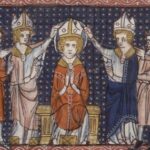 St. Hilary Of Poitiers
Legacy of St. Illtyd
The legacy of St. Illtyd is evident in various aspects of Welsh culture and religion. His feast day is celebrated on November 6th, and many churches and institutions are dedicated to him. The town of Llantwit Major, where he founded his monastery, continues to honor his memory through festivals and events that celebrate his contributions to Christianity.
St. Illtyd is also remembered for his role in the development of early Welsh Christianity. His teachings and practices influenced many subsequent generations of Christians in the region. The monastic traditions he established at Llantwit Major laid the groundwork for future monastic communities, ensuring that his impact would be felt for centuries to come.
St. Illtyd in Literature and Art
St. Illtyd has been a subject of interest in both literature and art throughout the centuries. His life and deeds have been chronicled in various texts, including the Lives of the Saints and other hagiographies. These writings not only serve to document his life but also to inspire faith and devotion among readers. They highlight his virtues, miracles, and the challenges he faced as a Christian leader in a tumultuous time.
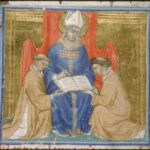 St. Hilary Of Arles
In art, St. Illtyd is often depicted in religious iconography, showcasing his role as a saint and a spiritual leader. Artists have portrayed him in various forms, from stained glass windows in churches to paintings in religious texts. These representations serve as a reminder of his significance in the Christian tradition and the enduring nature of his legacy.
Modern Commemoration of St. Illtyd
Today, St. Illtyd is commemorated in various ways, particularly in Wales. Many churches are named after him, and his feast day is observed with special services and celebrations. These events often include prayers, hymns, and reflections on his life and teachings. Such observances help keep his memory alive and serve as an opportunity for the faithful to reflect on the values he embodied.
In addition to religious observances, St. Illtyd is also recognized in cultural events that celebrate Welsh heritage. Festivals may include historical reenactments, storytelling, and other activities that highlight his contributions to the region. These celebrations not only honor St. Illtyd but also promote a sense of community and shared identity among those who participate.
St. Illtyd and the Early Church
St. Illtyd’s role in the early church was crucial, especially in the context of a rapidly changing religious landscape. During his time, Christianity was still in its infancy in Britain, facing opposition from pagan traditions and various tribal leaders. Illtyd’s work in establishing a strong monastic community provided a foundation for the growth of Christianity in Wales. His efforts to educate and train future leaders helped ensure the continuity of the faith in the region.
Moreover, St. Illtyd’s commitment to missionary work exemplified the early church’s emphasis on spreading the gospel. He traveled extensively, sharing the message of Christ with those who had not yet heard it. His ability to connect with people from different backgrounds and his dedication to service made him an effective evangelist during a time of great uncertainty.
The Influence of St. Illtyd on Welsh Identity
The influence of St. Illtyd extends beyond religious boundaries and into the realm of Welsh identity. His legacy is intertwined with the cultural heritage of Wales, as he represents the intersection of faith and national pride. The stories of his life resonate with the values of resilience, community, and devotion, which are essential aspects of Welsh culture.
In many ways, St. Illtyd serves as a symbol of Welsh spirituality and the rich history of Christianity in the region. His contributions to the early church and his role as a spiritual leader have helped shape the religious landscape of Wales. As a result, he is often celebrated as a national figure, representing the enduring spirit of the Welsh people.
St. Illtyd’s Miracles and Legends
Many legends and miracles are attributed to St. Illtyd, further solidifying his status as a revered saint. These stories often highlight his piety, compassion, and divine intervention. One of the most famous legends involves a miraculous event where Illtyd was said to have calmed a storm at sea, saving sailors from certain doom. Such tales not only demonstrate his closeness to God but also serve to inspire faith among the believers.
Another well-known legend tells of Illtyd’s encounter with a fierce dragon. According to the story, he was able to tame the beast through his faith and prayers, showcasing his strength as a spiritual leader. These miraculous accounts contribute to the rich tapestry of Christian mythology surrounding St. Illtyd, illustrating the profound impact he had on the lives of those who believed in his intercession.
St. Illtyd in the Context of Celtic Christianity
St. Illtyd is an important figure in the broader context of Celtic Christianity, which emerged in the early medieval period. This form of Christianity is characterized by its unique practices, beliefs, and connections to the natural world. St. Illtyd’s monastic community at Llantwit Major exemplified many aspects of Celtic Christianity, including a strong emphasis on education, community living, and the integration of faith with daily life.
Celtic Christianity also placed a significant focus on the role of saints and the veneration of holy figures. St. Illtyd, as a prominent saint, played a crucial role in this tradition. His life and teachings were often used as examples of how to live a faithful and virtuous life. The stories of his miracles and deeds served to inspire the faithful and encourage them in their spiritual journeys.
Educational Contributions of St. Illtyd
Education was a cornerstone of St. Illtyd’s monastic community. He believed that a well-rounded education was essential for spiritual growth and the development of future leaders in the church. The curriculum at Llantwit Major included not only religious studies but also the arts, sciences, and philosophy. This comprehensive approach to education helped cultivate a generation of scholars and theologians who would go on to shape the course of Christianity in Britain.
St. Illtyd’s emphasis on education extended beyond the walls of the monastery. He encouraged his students to engage with the wider community and to share their knowledge and faith with others. This commitment to education and outreach contributed to the growth of Christianity in Wales and fostered a culture of learning that would endure for centuries.
St. Illtyd and Ecumenism
St. Illtyd’s legacy also has implications for the modern ecumenical movement, which seeks to promote unity among different Christian denominations. His life serves as a reminder of the importance of dialogue and cooperation among Christians, regardless of their backgrounds. St. Illtyd’s commitment to spreading the message of Christ transcended tribal and cultural boundaries, illustrating the universal nature of the Christian faith.
In contemporary discussions about ecumenism, St. Illtyd’s example encourages believers to work together in pursuit of common goals. His life demonstrates that, despite differences in tradition or practice, the core message of love, compassion, and service to others remains central to the Christian faith. This perspective fosters a spirit of unity and collaboration among Christians today.
The Role of St. Illtyd in Interfaith Dialogue
St. Illtyd’s life and teachings also hold relevance in the context of interfaith dialogue. His work in converting pagans to Christianity highlights the importance of understanding and respecting different belief systems. St. Illtyd approached his mission with compassion and empathy, seeking to engage with those he encountered rather than condemning them for their beliefs.
This approach serves as a model for contemporary interfaith efforts, emphasizing the need for mutual respect and understanding. By learning from St. Illtyd’s example, individuals can engage in meaningful conversations that promote harmony and cooperation among diverse religious communities. His legacy encourages a spirit of openness and dialogue, fostering a more inclusive society.
St. Illtyd’s Influence on Welsh Language and Culture
The influence of St. Illtyd extends to the Welsh language and culture as well. His name is often invoked in various cultural expressions, including literature, music, and folklore. The stories of his life have been passed down through generations, contributing to the rich tapestry of Welsh storytelling and tradition. His legacy is intertwined with the identity of Wales, as he represents the deep roots of Christianity in the region.
Furthermore, the celebration of St. Illtyd’s feast day has become an integral part of Welsh cultural heritage. Events and festivities surrounding his memory often include traditional Welsh music, dance, and food, showcasing the vibrant culture of Wales. These celebrations not only honor St. Illtyd but also reinforce the connection between faith and cultural identity among the Welsh people.
The Spiritual Significance of St. Illtyd
St. Illtyd’s spiritual significance is profound, as he embodies the virtues of faith, perseverance, and dedication to service. His life serves as an example for individuals seeking to deepen their spiritual journeys. The stories of his miracles and teachings inspire believers to cultivate a strong relationship with God and to live out their faith in tangible ways.
Moreover, St. Illtyd’s legacy encourages believers to reflect on their own call to serve others. His commitment to education, community, and outreach challenges individuals to consider how they can contribute to the well-being of their communities. This emphasis on service is a central tenet of Christianity, and St. Illtyd’s life exemplifies this principle in action.
Conclusion of St. Illtyd’s Journey
St. Illtyd’s journey through life, marked by faith, service, and dedication to God, continues to resonate with believers today. His contributions to Christianity, education, and Welsh culture have left an indelible mark on the spiritual landscape of the region. As a saint, he serves as a beacon of hope and inspiration for those seeking to live out their faith in meaningful ways.
As we reflect on St. Illtyd’s life, we are reminded of the enduring power of faith and the importance of community. His legacy encourages us to engage with others, to share the message of love and compassion, and to strive for a more inclusive and harmonious world. In honoring St. Illtyd, we celebrate not only his life but also the values he represents—values that continue to guide and inspire us today.