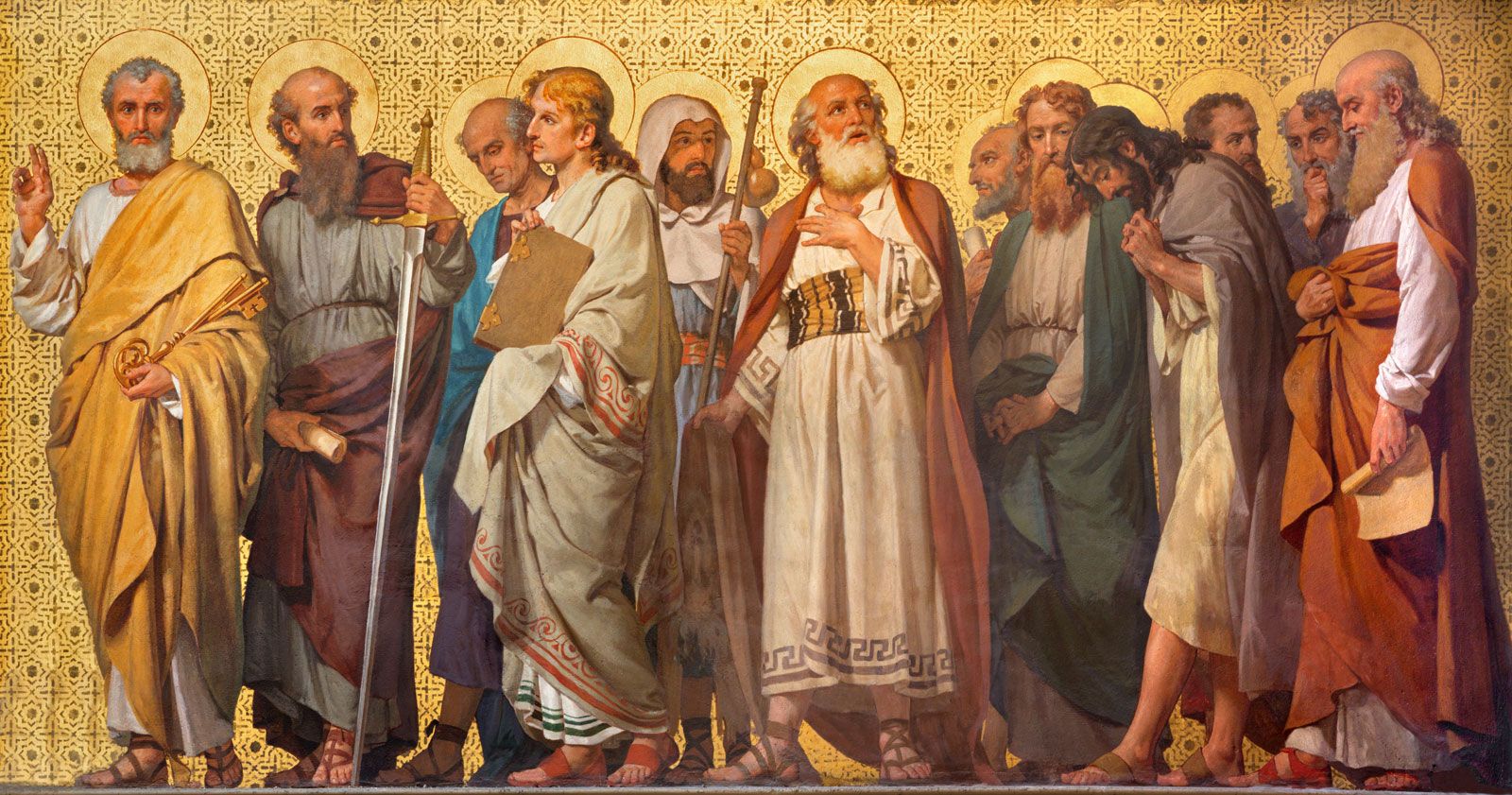
St. Hegesippus is an intriguing figure in early Christian history, known for his writings and his role in the development of Christian thought. His life and contributions provide valuable insights into the challenges faced by the early Church. St. Hegesippus is often recognized as a historian and a theologian, and his works are considered significant for understanding the context of Christianity in the first few centuries. He lived during a time when the Church was still defining its beliefs and practices, making his contributions particularly noteworthy.
Life and Background
 St. Hedwig
Very little is known about the personal life of St. Hegesippus. He is believed to have been born in the first century, and his writings suggest that he was of Jewish descent. This background may have influenced his perspective on Christianity and its relationship with Judaism. St. Hegesippus traveled extensively, visiting various Christian communities and gathering information about their beliefs and practices. His journeys helped him to compile a comprehensive account of early Christian teachings and the challenges faced by believers during his time.
St. Hegesippus’s writings reflect a deep concern for the unity and purity of the Church. He was particularly interested in addressing the various heresies that were emerging in the early Christian community. By documenting the teachings of the apostles and the early Church leaders, he aimed to preserve the original message of Christianity. His commitment to orthodoxy and the preservation of Christian teachings is evident in his works, which serve as a testament to his dedication to the faith.
Writings and Contributions
One of the most significant contributions of St. Hegesippus is his work titled “Memoirs.” Although the original text has been lost, fragments of it have been preserved through quotations by later Church Fathers. This work is considered one of the earliest historical accounts of the Church. In it, St. Hegesippus documented the succession of bishops in Jerusalem and the teachings of the apostles. His attention to detail and commitment to accuracy make his writings a valuable resource for historians and theologians alike.
 St. Hervé
In “Memoirs,” St. Hegesippus also addressed various heresies that were emerging during his time. He provided a clear distinction between orthodox beliefs and those deemed heretical. This was crucial for the early Church, as it helped to establish a foundation for what would later become the canon of Christian doctrine. His writings served as a defense against false teachings and a guide for believers seeking to understand their faith more deeply.
Theological Perspectives
St. Hegesippus’s theological perspectives were heavily influenced by his Jewish background. He emphasized the continuity between Judaism and Christianity, arguing that Jesus was the fulfillment of the Jewish scriptures. This connection was essential for early Christians, who sought to establish their identity in relation to the Jewish faith. St. Hegesippus’s writings reflect a strong belief in the importance of the Old Testament, and he often referenced it to support his arguments.
His theological insights also included discussions on the nature of Christ. St. Hegesippus affirmed the belief in the divinity of Jesus while also acknowledging his humanity. This dual nature of Christ would later become a central tenet of Christian doctrine. By addressing these complex theological issues, St. Hegesippus contributed to the development of early Christological thought, helping to shape the beliefs of future generations of Christians.
 St. Winifred
Historical Context
Understanding the historical context in which St. Hegesippus lived is crucial for appreciating his contributions. The early Church faced numerous challenges, including persecution from both Roman authorities and Jewish leaders. St. Hegesippus lived during a time when Christians were often marginalized and viewed with suspicion. His writings served as a source of encouragement for believers facing adversity, reminding them of the importance of faith and unity in the face of challenges.
Additionally, the early Church was grappling with a variety of theological disputes and heresies. Gnostic teachings, for example, posed a significant threat to orthodox Christianity. St. Hegesippus’s efforts to document and clarify the teachings of the apostles were essential in countering these heretical movements. His emphasis on the importance of maintaining true doctrine helped to establish a sense of identity and cohesion within the early Christian community.
Legacy and Influence
The legacy of St. Hegesippus is felt even today, particularly in the fields of Church history and theology. His commitment to preserving the teachings of the early Church has had a lasting impact on Christian thought. Later Church Fathers, such as Eusebius, drew upon his writings to provide a historical account of the Church’s development. St. Hegesippus’s emphasis on orthodoxy and his efforts to combat heresy laid the groundwork for the formation of the early Church’s doctrine.
Moreover, St. Hegesippus’s writings continue to be studied by scholars and theologians seeking to understand the complexities of early Christianity. His historical accounts provide valuable insights into the beliefs and practices of the early Church, allowing modern readers to appreciate the challenges faced by believers in a rapidly changing world. The preservation of his thoughts and teachings has ensured that his contributions remain relevant in contemporary discussions about faith and doctrine.
St. Hegesippus stands as a significant figure in the history of Christianity. His dedication to documenting the teachings of the early Church and addressing the challenges of his time has left a lasting impact on Christian thought. Through his writings, he provided a foundation for future generations of believers, emphasizing the importance of orthodoxy and the continuity of faith. As we explore the life and contributions of St. Hegesippus, we gain a deeper understanding of the early Church’s struggles and triumphs, and we recognize the enduring relevance of his work in today’s world.