St. Edmund, a figure of significant importance in Christian mythology, is often celebrated for his piety, leadership, and martyrdom. He is primarily known as the patron saint of East Anglia, a historical region in England. His life and legacy have inspired countless stories and traditions that resonate deeply within the Christian community. The narratives surrounding St. Edmund not only reflect the values of faith and courage but also serve as a testament to the enduring influence of saints in Christian spirituality. His story is one that intertwines themes of sacrifice, loyalty, and divine favor, making him a pivotal figure in the lore of Christianity.
Life of St. Edmund
St. Edmund was born around the year 841 in what is now known as England. He was the son of Æthelred, the King of East Anglia. His early life was marked by a strong sense of duty and a commitment to his people. As a young man, Edmund was known for his wisdom and courage, qualities that would later define his reign as king. He ascended to the throne in a tumultuous time, as East Anglia faced threats from Viking invasions. Edmund’s leadership was characterized by his dedication to protecting his kingdom and his unwavering faith in God.
During his reign, Edmund sought to strengthen the ties between the church and the monarchy. He was a devout Christian and often supported the establishment of monasteries and churches throughout his kingdom. His efforts to promote Christianity in East Anglia were significant, as they laid the groundwork for the spread of the faith in the region. Edmund’s commitment to his faith and his people earned him the admiration of many, and he became a beloved figure among his subjects.
The Martyrdom of St. Edmund
The most defining moment of St. Edmund’s life came during the Viking invasions in the late 9th century. The Vikings, known for their fierce raids, invaded East Anglia and sought to conquer the land. St. Edmund, determined to defend his kingdom, rallied his forces to resist the invaders. However, the Vikings were formidable opponents, and after a series of battles, Edmund and his men were ultimately captured.
 St. Dymphna
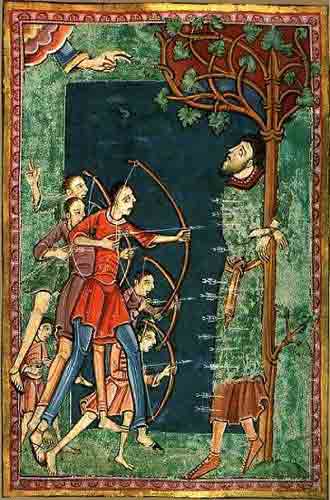
St. Edmund was offered a choice by the Viking leader, Ivar the Boneless: he could renounce his faith and live, or he could face death. Edmund, steadfast in his beliefs, chose to remain loyal to his Christian faith. This decision led to his brutal execution, where he was reportedly tied to a tree and shot with arrows. The account of his martyrdom highlights his unwavering commitment to his beliefs and his refusal to abandon his faith, even in the face of death.
Legends and Miracles
Following his death, numerous legends and miracles began to surround St. Edmund. Many believed that he continued to perform miracles even after his martyrdom. One of the most famous legends is that of the miraculous appearance of his head, which was said to have been found by his followers after his death. According to the story, his head was hidden by a wolf that protected it from the Vikings. This tale not only emphasizes his sanctity but also highlights the deep connection between nature and the divine in Christian mythology.
St. Edmund was also credited with various miraculous healings. Many people claimed that they were cured of ailments after praying to him. His intercessions were sought by those in need, and his reputation as a miracle worker spread far and wide. These stories contributed to his growing popularity as a saint and solidified his place in the hearts of the faithful. Pilgrimages to sites associated with St. Edmund became common, as people sought to honor his memory and seek his help.
 St. Dunstan
Veneration of St. Edmund
The veneration of St. Edmund grew significantly in the centuries following his death. His feast day is celebrated on November 20, and it became an important date in the Christian calendar. Churches and cathedrals dedicated to him were established, most notably the Abbey of Bury St. Edmunds, which became a major pilgrimage site. This abbey played a crucial role in preserving his legacy and promoting his veneration throughout England and beyond.
In addition to the abbey, many communities began to adopt St. Edmund as their patron saint. His image was often depicted in artwork, and his story was retold in various forms of literature. The popularity of St. Edmund can be seen in the numerous churches named after him and the widespread devotion among the faithful. His life and martyrdom became symbols of hope and resilience for Christians facing adversity.
St. Edmund in Literature and Culture
The story of St. Edmund has inspired countless works of literature and art throughout the centuries. His life has been chronicled in various texts, including hagiographies, which are biographies of saints. These writings often emphasize his virtues, such as courage, faithfulness, and leadership. They serve to educate the faithful about his life and the lessons that can be drawn from his example.
In addition to written works, St. Edmund has been a popular subject in visual arts. Artists have depicted him in various forms, from paintings to sculptures, capturing his essence as a martyr and a saint. These artistic representations have helped to keep his memory alive and have contributed to the cultural heritage surrounding his figure. The enduring nature of his story speaks to the impact he has had on both religious and cultural spheres.
St. Edmund’s Legacy Today
Today, St. Edmund’s legacy continues to thrive, particularly in East Anglia. His influence can be seen in various cultural and religious practices. Many churches still celebrate his feast day, and his story is included in the teachings of the church. Additionally, the site of the Abbey of Bury St. Edmunds remains a place of pilgrimage and reflection for many Christians.
Moreover, the themes of St. Edmund’s life resonate with contemporary issues, such as standing firm in one’s beliefs and the importance of community. His example inspires individuals to remain true to their values and to support one another in times of difficulty. In a world often filled with challenges, St. Edmund’s story serves as a beacon of hope and a reminder of the strength found in faith.
St. Edmund is a pivotal figure in Christian mythology whose life and martyrdom continue to inspire devotion and reverence. His unwavering faith, commitment to his people, and the miracles attributed to him have solidified his place in the hearts of the faithful. The legacy of St. Edmund is a testament to the enduring power of faith and the profound impact that saints can have on individuals and communities. As people continue to honor his memory, the story of St. Edmund remains a vital part of Christian heritage.