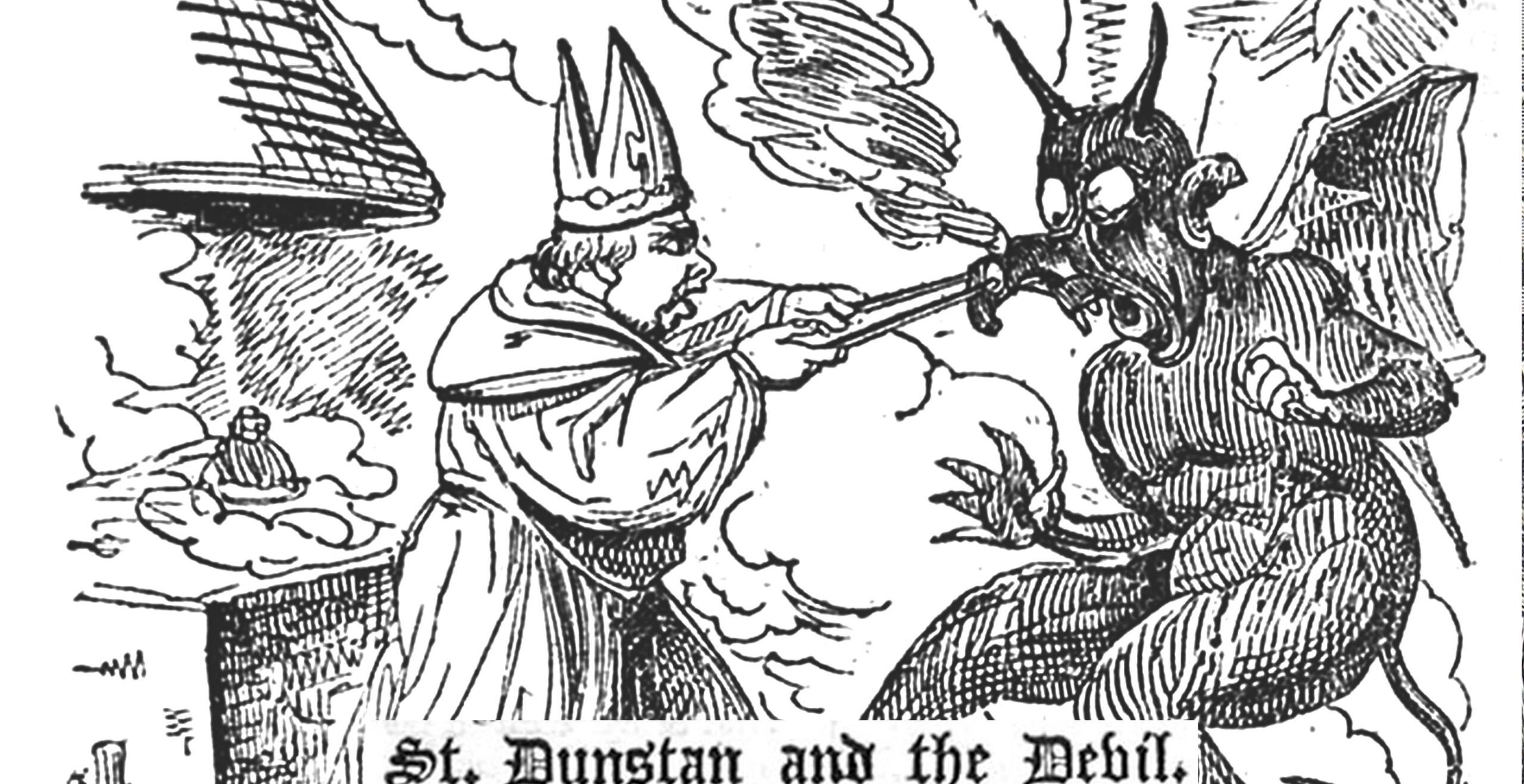
St. Dunstan is a significant figure in Christian mythology, known for his remarkable life and contributions to the church during the medieval period. Born in the late 10th century in England, he became a prominent bishop and a revered saint. His story is one of faith, perseverance, and miracles, which have inspired many throughout the centuries. Dunstan is often associated with the Anglo-Saxon church and is celebrated for his artistic talents, particularly in metalwork and music. His life reflects the deep spiritual devotion of the time, as well as the struggles faced by the church in an era marked by political instability and social change.
The Early Life of St. Dunstan
St. Dunstan was born around the year 909 in the kingdom of Wessex, England. His family was well-connected, with ties to the royal court. From a young age, Dunstan exhibited a strong inclination towards spirituality and the church. His early education took place in a monastery, where he learned about the scriptures and the teachings of Christ. Dunstan’s parents encouraged his religious aspirations, fostering an environment that nurtured his faith. As he grew older, his commitment to God deepened, and he decided to dedicate his life to the church.
 St. Drithelm
One of the defining moments of Dunstan’s youth was his encounter with a vision that would shape his future. According to legend, he experienced a profound vision of Christ, which motivated him to pursue a monastic life. He became a monk at Glastonbury Abbey, a renowned religious center at the time. The monastic life appealed to him due to its emphasis on prayer, study, and communal living. Dunstan quickly became known for his piety and was respected by his fellow monks, who recognized his dedication and leadership qualities.
His Rise in the Church
Dunstan’s rise in the church was marked by a series of important appointments. After spending years at Glastonbury, he became the abbot of the monastery. His leadership style was characterized by a focus on reform and a desire to return to the original principles of monastic life. He emphasized the importance of education, discipline, and artistic expression among the monks. Under his guidance, Glastonbury Abbey flourished, attracting many to join the monastic community.
 St. Dorothea
In 934, Dunstan was appointed as the Bishop of Worcester, a significant position that allowed him to influence the church on a larger scale. His tenure as bishop was marked by a commitment to Christian education and the spiritual growth of his diocese. He worked tirelessly to improve the moral standards of the clergy and the laity alike. His efforts included the establishment of schools for young men, where they could learn about the Bible and the teachings of the church. Dunstan believed that education was essential for a strong Christian community.
St. Dunstan and the Royal Court
St. Dunstan’s relationship with the royal court played a crucial role in his life and ministry. He became a trusted advisor to several kings, including King Athelstan, who was known for his military prowess and efforts to unify England. Dunstan’s influence extended beyond spiritual matters; he was involved in political affairs and worked to strengthen the ties between the church and the monarchy. His counsel was sought on various issues, including the promotion of Christian values within the realm.
During this time, Dunstan also faced challenges. His reformist ideas were not always welcomed by those in power. Some members of the nobility resisted his efforts to implement stricter moral standards within the church. However, Dunstan remained undeterred, believing that a strong church was essential for a stable society. He used his position to advocate for justice and to protect the rights of the poor. His dedication to the welfare of the people earned him a reputation as a compassionate leader.
 St. Donatus Of Fiesole
Miracles and Legends
St. Dunstan is surrounded by a rich tapestry of miracles and legends that highlight his holiness and divine favor. One of the most famous stories involves his encounter with the devil. According to the legend, while working on a piece of metalwork, Dunstan was visited by the devil in disguise. Instead of succumbing to temptation, Dunstan bravely seized the devil’s nose with a pair of tongs, causing him to flee in pain. This story symbolizes Dunstan’s unwavering faith and his ability to resist evil.
Another notable miracle attributed to St. Dunstan is his ability to heal the sick. Many people sought his intercession for various ailments, and numerous accounts exist of miraculous recoveries. His reputation as a healer spread far and wide, and people traveled great distances to seek his help. These miracles contributed to his growing popularity as a saint, and his followers believed that he had a special connection to God. Dunstan’s life was filled with extraordinary events that solidified his status as a beloved figure in Christian mythology.
St. Dunstan’s Legacy
The legacy of St. Dunstan is profound and enduring. He is remembered as a reformer who sought to restore the purity of the church during a time of moral decline. His commitment to education and the arts left a lasting impact on the monastic communities in England. Dunstan is often credited with revitalizing the monastic tradition and fostering a spirit of creativity among the clergy. His contributions to metalwork, music, and liturgy are still celebrated today.
St. Dunstan’s influence can be seen in various aspects of Christian life. He is the patron saint of several trades, including goldsmiths and musicians, reflecting his diverse talents. His feast day is celebrated on May 19th, and many churches honor him with special services and activities. Additionally, his life has inspired numerous works of art, literature, and music, ensuring that his story continues to resonate with future generations.
St. Dunstan in Modern Christianity
In modern Christianity, St. Dunstan remains a figure of inspiration and reverence. His commitment to faith and service is a reminder of the importance of living a life dedicated to God. Many churches and religious organizations look to his example as they strive to promote education, justice, and compassion within their communities. St. Dunstan’s teachings about the importance of integrity and moral character continue to be relevant in today’s world.
Moreover, St. Dunstan’s artistic contributions are celebrated in various forms. Contemporary artists often draw inspiration from his metalwork and music, incorporating his legacy into their creations. The emphasis he placed on the arts within the church serves as a reminder of the beauty that can be found in spiritual expression. His life encourages individuals to explore their creative talents as a way to honor God and enrich their communities.
St. Dunstan’s life is a testament to the power of faith and the importance of dedication to God and community. His story serves as a source of inspiration for Christians around the world, encouraging them to live lives of purpose and service. As a saint, he exemplifies the virtues of humility, compassion, and resilience, reminding us all of the impact one individual can have on the church and society as a whole.