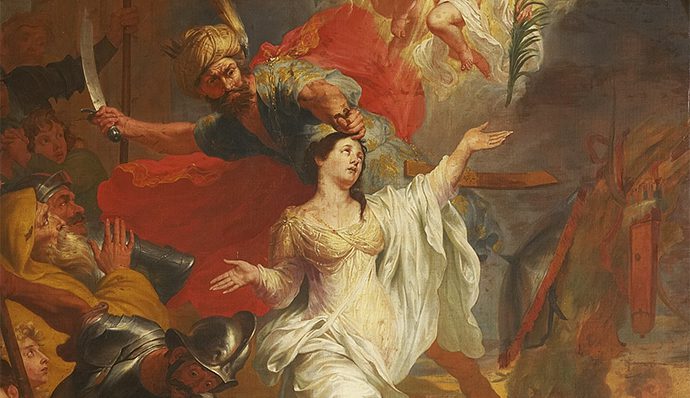
St. Dymphna is a revered figure in Christian mythology, particularly known for her association with mental health and healing. Her story is one of courage and faith, deeply rooted in the legends of the early Christian church. St. Dymphna is often depicted as a young woman, symbolizing purity and resilience, who faced tremendous challenges in her life. Her tale has inspired many, leading to her veneration as the patron saint of those suffering from mental illnesses. This article will explore the life of St. Dymphna, her significance in Christian mythology, and the traditions surrounding her veneration.
The Life of St. Dymphna
The story of St. Dymphna begins in the 7th century in Ireland. According to legend, she was the daughter of a pagan king and a Christian mother. When her mother passed away, her father was devastated and fell into madness. In his troubled state, he sought to marry Dymphna, believing that she was the only one who could bring him peace. However, Dymphna, devoted to her Christian faith, refused her father’s advances and fled her home.
 St. Dunstan
In her flight, Dymphna sought refuge in Belgium, where she found solace in a small community of Christians. She dedicated her life to helping the poor and the sick, embodying the virtues of compassion and charity. Her commitment to her faith and her desire to help others only deepened her father’s rage. He eventually discovered her whereabouts and sent soldiers to bring her back. Dymphna, however, remained steadfast in her beliefs, refusing to return to a life that contradicted her values.
The confrontation between Dymphna and her father culminated in tragedy. When she refused to comply with his wishes, he ordered her execution. It is said that she was beheaded, and her death marked the beginning of her legacy as a martyr. The story of St. Dymphna is a powerful reminder of the struggle between faith and familial loyalty, illustrating her bravery in the face of overwhelming adversity.
The Significance of St. Dymphna
St. Dymphna holds a unique place in Christian mythology, particularly as a symbol of hope for those struggling with mental health issues. Her life story resonates with many who have faced personal battles, making her an important figure in the Catholic Church. St. Dymphna is often invoked by those seeking relief from anxiety, depression, and other mental health challenges. Her legacy serves as a beacon of light for individuals and families dealing with these issues.
 St. Drithelm
The veneration of St. Dymphna emphasizes the importance of mental health awareness within the Christian community. She is often associated with healing, not only in a physical sense but also in a spiritual and emotional context. Many believe that praying to St. Dymphna can bring comfort and strength to those in distress. Her story encourages a compassionate understanding of mental illness, reminding believers that faith can play a crucial role in the healing process.
Moreover, St. Dymphna’s story highlights the significance of community support in addressing mental health issues. She dedicated her life to helping others, reflecting the importance of compassion and empathy in our interactions with those who suffer. By sharing her story, the Church fosters a sense of belonging and understanding among individuals facing similar struggles. The collective support of the community is essential in promoting mental wellness and destigmatizing mental health challenges.
Devotion and Traditions
St. Dymphna is celebrated in various ways across the world, with numerous churches and shrines dedicated to her memory. Her feast day is observed on May 15th, and many believers participate in special prayers and services on this day. These observances often include Masses, processions, and gatherings that focus on healing and mental health awareness. Many people also light candles in her honor, symbolizing hope and prayer for those who suffer.
 St. Dorothea
- Prayer to St. Dymphna: Many people recite specific prayers asking for her intercession. These prayers often express a desire for peace of mind and emotional healing.
- Devotional Objects: Items such as medals, rosaries, and prayer cards featuring St. Dymphna are commonly used by the faithful. These objects serve as tangible reminders of her presence and support.
- Support Groups: Some communities organize support groups for those dealing with mental health issues, incorporating the teachings and prayers of St. Dymphna into their meetings.
In addition to these practices, many hospitals and mental health facilities have adopted St. Dymphna as their patron saint. This connection highlights the growing recognition of the importance of mental health care within the framework of faith. By invoking her name, these institutions seek to create an environment of healing and hope for their patients.
St. Dymphna in Art and Literature
The story of St. Dymphna has inspired numerous artistic representations throughout the centuries. Artists often depict her as a young woman with flowing hair, wearing a simple gown. Her imagery is frequently accompanied by symbols of healing, such as a lamp or a sword, representing her martyrdom. These visual representations serve as powerful reminders of her legacy and the virtues she embodies.
In literature, St. Dymphna’s story has been recounted in various forms, from hagiographies to modern narratives that explore the themes of mental health and resilience. These stories not only preserve her memory but also educate readers about the importance of compassion and understanding towards those struggling with mental illness. They often emphasize her role as a source of inspiration for individuals seeking comfort and healing in their lives.
Additionally, St. Dymphna’s story has found its way into popular culture, with references in films, music, and other forms of media. These portrayals help to raise awareness about mental health issues and encourage conversations around the topic. By bringing her story to a wider audience, these works contribute to the ongoing dialogue about the importance of mental wellness and the role of faith in the healing process.
Modern Relevance of St. Dymphna
In today’s world, the relevance of St. Dymphna continues to grow, particularly as mental health awareness becomes more prominent. Many individuals and families are seeking support and understanding regarding mental health challenges, and St. Dymphna serves as a guiding figure in this journey. Her story resonates with those who feel isolated in their struggles, offering them a sense of hope and connection to a larger community.
The ongoing challenges of mental health, exacerbated by societal pressures and stigma, make St. Dymphna’s legacy even more significant. She represents the need for compassion and empathy in addressing these issues, encouraging individuals to reach out for help and support. The Church’s emphasis on her story promotes a holistic approach to mental health, integrating spiritual and emotional care.
Moreover, St. Dymphna’s story serves as a call to action for communities to support mental health initiatives. Many organizations and churches are now actively involved in providing resources and support for those in need. This collaborative effort aligns with Dymphna’s own dedication to helping the vulnerable, reinforcing the importance of community in the healing process.
St. Dymphna’s legacy is one of resilience, compassion, and healing. Her story continues to inspire individuals facing mental health challenges and reminds us of the importance of community support. Through her veneration, we can foster a greater understanding of mental health issues and encourage compassionate responses to those who suffer. The life and martyrdom of St. Dymphna serve as a powerful testament to the enduring strength of faith and the transformative power of love and understanding.