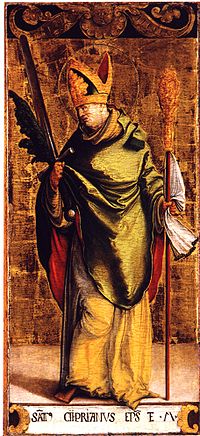
St. Cyprian of Carthage was a prominent figure in early Christianity, known for his significant contributions to the church during a tumultuous period. Born around 200 AD in North Africa, Cyprian was originally a wealthy Roman orator and lawyer. His life took a transformative turn when he converted to Christianity, becoming a bishop and a vital leader in the early church. His journey from a secular life to a spiritual one illustrates the profound changes that can occur when one embraces faith. Cyprian’s writings and actions during the persecution of Christians by the Roman Empire have left a lasting legacy that continues to influence Christian thought today.
Early Life and Conversion
Cyprian’s early life was marked by privilege and education. He was well-versed in rhetoric and philosophy, which helped shape his eloquent writing style. Despite his success in secular life, there was a void that led him to seek deeper meaning. His conversion to Christianity was a significant turning point. It is said that he was baptized around 246 AD, and this experience ignited a passion for the faith that would define his later years. Cyprian felt a strong calling to serve the church, abandoning his previous life to embrace a path dedicated to God.
 St. Eparchius
Upon his conversion, Cyprian quickly became involved in church activities. He was elected bishop of Carthage in 249 AD, a role that came with immense responsibility and challenges. The early church was facing severe persecution under the Emperor Decius, who mandated that all citizens must sacrifice to the Roman gods. This created a crisis for many Christians, leading to debates about faith, loyalty, and the nature of salvation. Cyprian’s leadership during this time was crucial in providing guidance and support to his flock.
The Role of St. Cyprian in the Early Church
St. Cyprian played a pivotal role in shaping the early church’s structure and theology. His writings, particularly his letters and treatises, addressed critical issues such as the nature of the church, the importance of unity, and the role of the bishop. One of his most famous works, “On the Unity of the Church,” emphasizes the need for a unified body of believers. Cyprian argued that division within the church undermines its mission and that all Christians must strive for harmony and cooperation.
 St. Cuthman Of Steyning
In addition to his theological contributions, Cyprian was known for his pastoral care. He understood the struggles of Christians facing persecution and offered comfort and encouragement. His leadership was characterized by a deep compassion for those who faltered in their faith. He advocated for the reinstatement of those who had lapsed during persecution, emphasizing God’s mercy and forgiveness. This approach helped to heal divisions within the church and foster a spirit of reconciliation.
Persecution and Martyrdom
The period of Cyprian’s leadership was fraught with challenges, particularly the persecution of Christians. Under the Decian edict, many believers were forced to choose between their faith and their lives. Cyprian himself faced imprisonment and was eventually exiled for his beliefs. During his exile, he continued to write letters to his congregation, providing guidance and support despite being physically separated from them. His resilience during this time inspired many, reinforcing the idea that faith could endure even in the face of adversity.
 St. Cuthbert
Theological Contributions
St. Cyprian’s theological writings are among the most significant in early Christian literature. His works addressed a variety of topics, including the nature of the church, the sacraments, and the relationship between the church and the state. One of his key arguments was the concept of apostolic succession, which posits that the authority of the church is derived from the apostles through an unbroken line of bishops. This idea became foundational for the structure of the Catholic Church and emphasized the importance of the episcopacy.
Another critical area of Cyprian’s theology was his understanding of the sacraments, particularly baptism and the Eucharist. He argued that baptism is essential for salvation, as it cleanses individuals from sin and initiates them into the Christian community. His teachings on the Eucharist emphasized its role as a means of grace and unity among believers. Cyprian’s writings helped to clarify these essential doctrines, providing a framework for understanding the sacraments in the life of the church.
St. Cyprian’s Legacy
The legacy of St. Cyprian of Carthage is profound and far-reaching. His contributions to theology, church unity, and pastoral care continue to resonate within Christianity today. His emphasis on the importance of community and the role of the bishop in maintaining unity has influenced church governance and practice throughout history. Cyprian’s writings are still studied by theologians and scholars, serving as a rich resource for understanding early Christian thought.
Moreover, Cyprian’s example of faithfulness in the face of persecution inspires Christians worldwide. His life serves as a reminder of the strength that comes from faith and the importance of standing firm in one’s beliefs. Many churches commemorate his feast day on September 16, honoring his contributions and martyrdom. His influence extends beyond the Catholic Church, impacting various Christian denominations that recognize his role as a significant early church father.
Celebration of St. Cyprian
St. Cyprian is celebrated in various ways within the Christian tradition. His feast day, September 16, is observed with special services and prayers in many churches. On this day, the faithful reflect on his teachings and the lessons learned from his life. Many congregations may hold special masses or liturgies in his honor, emphasizing themes of unity, forgiveness, and perseverance in faith. Liturgical readings often include passages that resonate with Cyprian’s teachings, helping to reinforce his messages of love and community.
In addition to formal observances, St. Cyprian is remembered through various cultural expressions. His life and writings have inspired countless works of art, literature, and music. Many artists have depicted his martyrdom, capturing the essence of his courage and conviction. These artistic representations serve as powerful reminders of his legacy and the enduring impact of his faith on Christian history.
St. Cyprian and Modern Christianity
In contemporary Christianity, St. Cyprian’s teachings remain relevant as the church faces new challenges. His emphasis on unity is particularly important in a time when divisions among Christians are prevalent. Many church leaders reference Cyprian’s writings to encourage dialogue and cooperation among different denominations. His insights into the nature of the church serve as a foundation for discussions about ecumenism and the pursuit of a more unified Christian witness in the world.
Furthermore, Cyprian’s understanding of pastoral care and the importance of addressing the needs of the faithful continues to be a guiding principle for church leaders today. His compassionate approach to those who struggle with their faith resonates with modern pastoral practices, emphasizing the need for support, guidance, and reconciliation. Many churches strive to embody the spirit of Cyprian by creating welcoming communities that nurture faith and foster healing.
Conclusion: The Enduring Influence of St. Cyprian
The life and teachings of St. Cyprian of Carthage are a testament to the enduring power of faith and leadership within the Christian tradition. His commitment to unity, his theological insights, and his example of courage in the face of persecution continue to inspire Christians around the world. As the church navigates the complexities of modern life, the lessons drawn from Cyprian’s life offer valuable guidance and encouragement. In remembering St. Cyprian, believers are reminded of the importance of standing firm in their faith, fostering unity, and extending grace to others.