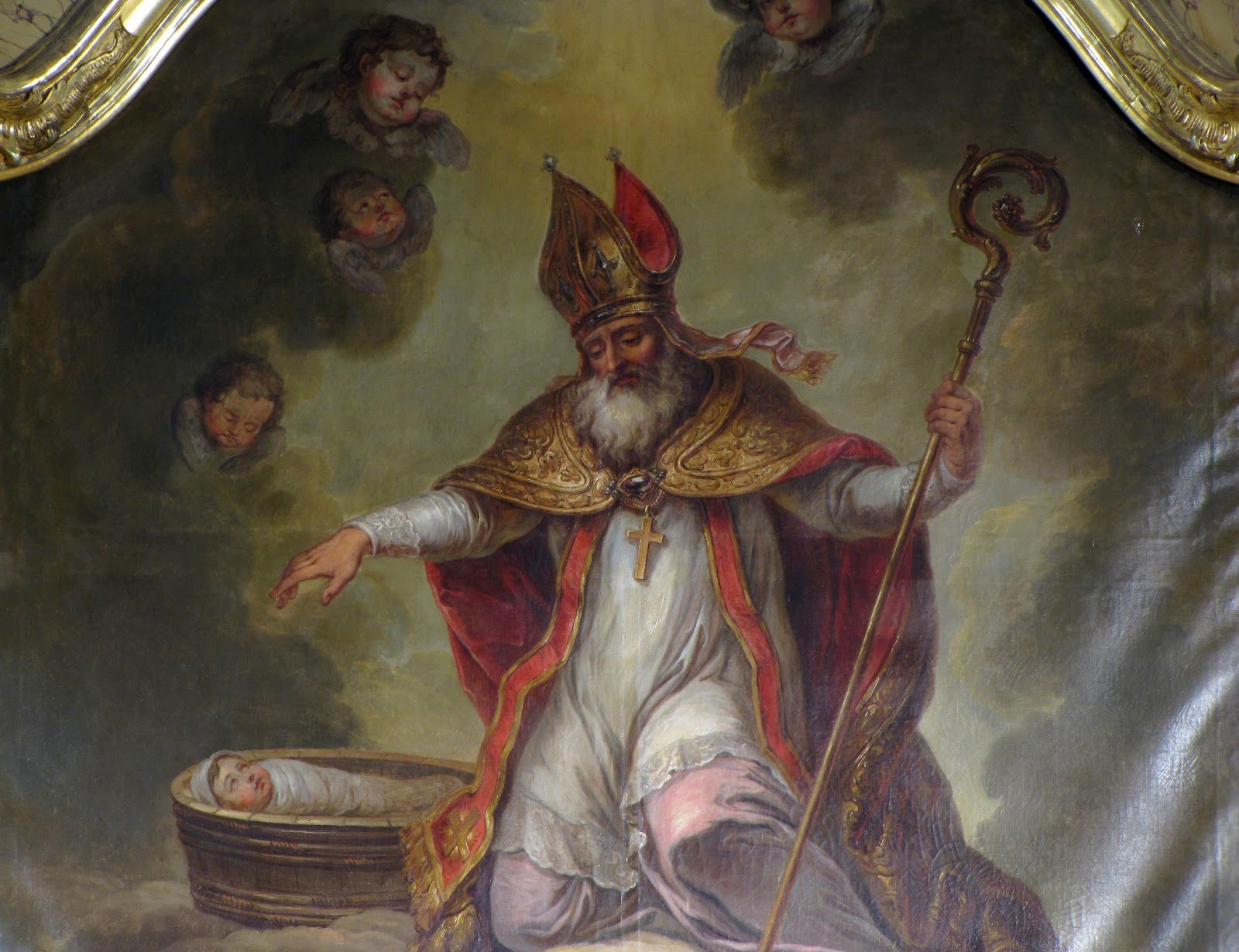
St. Brice, also known as St. Brice of Tours, is a significant figure in Christian mythology and history. He was a bishop in the early Christian church, and his life and deeds have inspired many throughout the centuries. His legacy is particularly prominent in France, where he is remembered for his piety, leadership, and the miracles attributed to him. St. Brice’s story is a testament to the enduring power of faith and the influence of holy figures in shaping religious communities.
The Life of St. Brice
St. Brice was born in the late 4th century in the region that is now known as France. His early life was marked by a deep commitment to Christian values. He was known for his dedication to prayer and his desire to serve God from a young age. His upbringing in a Christian family provided him with the foundation he needed to pursue a life of holiness. As he grew older, Brice felt a calling to the clergy and decided to dedicate his life to the service of God and the church.
 St. Brendan
After becoming a bishop, St. Brice was appointed to the diocese of Tours, where he faced many challenges. The region was rife with pagan practices, and many people were resistant to the teachings of Christianity. St. Brice approached his mission with compassion and understanding, seeking to educate and convert those around him. His gentle yet firm demeanor won over many hearts, and he began to establish a strong Christian community in Tours.
Miracles and Legends
Throughout his life, St. Brice was credited with numerous miracles that further solidified his reputation as a holy figure. One of the most famous stories involves a severe drought that struck the region. The people were desperate, and they turned to St. Brice for help. In a display of faith, he prayed fervently for rain. Miraculously, rain began to fall, saving the crops and the people from starvation. This event not only demonstrated his deep connection with God but also solidified his status as a miracle worker.
Another notable miracle attributed to St. Brice was the healing of a blind man. The man had lost his sight for many years and had tried various remedies without success. After hearing about St. Brice’s reputation, he sought the bishop’s help. With a simple prayer and a touch, St. Brice restored the man’s sight, leading to widespread acclaim for his healing abilities. Stories like these contributed to the growing legend of St. Brice and reinforced the belief in the power of faith and divine intervention.
 St. Brannock
St. Brice’s Legacy
St. Brice’s influence extended beyond his lifetime. After his death, he was canonized, and his feast day is celebrated on November 13th. Many churches and cathedrals were dedicated to him, and his image became a symbol of Christian virtue. The stories of his miracles and teachings continued to inspire generations of believers, and he became a patron saint for various causes, including the protection of the blind and the prevention of drought.
In addition to his spiritual legacy, St. Brice’s life serves as a reminder of the importance of community in the Christian faith. He worked tirelessly to build a strong church community in Tours, emphasizing the need for fellowship and support among believers. His example encourages Christians to reach out to others, share their faith, and work together for the common good.
The Importance of St. Brice in Christian Mythology
St. Brice occupies a unique position in Christian mythology as a figure who embodies the ideals of faith, compassion, and perseverance. His life story illustrates the struggles and triumphs faced by early Christians as they sought to spread their beliefs in a world often hostile to their message. St. Brice’s dedication to his mission serves as a model for modern believers, showing that faith can overcome adversity.
 St. Boris
Moreover, St. Brice’s miracles contribute to the rich tapestry of Christian lore, highlighting the belief in divine intervention in the lives of the faithful. His ability to heal and provide for those in need reinforces the idea that saints serve as intermediaries between God and humanity. This belief has been a cornerstone of Christian faith and practice, leading many to seek the intercession of saints like St. Brice in their own lives.
St. Brice in Art and Literature
The life and miracles of St. Brice have also inspired a wealth of art and literature. Artists throughout history have depicted his story in paintings, sculptures, and stained glass windows. These artistic representations serve to educate the public about his life and the values he stood for. They also provide a visual connection to the spiritual realm, allowing believers to reflect on the life of the saint and the lessons it imparts.
In literature, St. Brice’s story has been recounted in various forms, from hagiographies to poetry. These writings often emphasize his virtues, the miracles he performed, and the impact he had on his community. Such works not only serve to preserve his memory but also inspire readers to emulate his faith and commitment to service.
Modern-Day Celebrations of St. Brice
In contemporary times, the feast day of St. Brice is still celebrated in various Christian communities, particularly in France. Celebrations often include special church services, prayers, and processions. During these gatherings, believers come together to honor St. Brice and reflect on his teachings. Such events reinforce the sense of community among Christians and provide an opportunity for spiritual renewal.
In addition to religious observances, some communities have adopted cultural traditions associated with St. Brice. These may include festivals that celebrate local history and heritage, highlighting the enduring influence of the saint in shaping regional identities. Such celebrations serve as a reminder of the rich history of Christianity and the impact of saints like St. Brice on the cultural landscape.
The Role of Saints in Christianity
St. Brice’s life and legacy exemplify the broader role of saints in Christianity. Saints are viewed as models of holiness and virtue, providing inspiration for believers to live according to their faith. They are often seen as intercessors who can pray on behalf of the faithful, bridging the gap between humanity and the divine. This belief in the intercession of saints is a fundamental aspect of many Christian traditions, particularly in Catholicism.
- Role Models: Saints serve as examples of how to live a Christian life, demonstrating qualities such as compassion, humility, and dedication.
- Intercessors: Many believers pray to saints for assistance, seeking their intercession in times of need.
- Community Builders: Saints often played a crucial role in establishing and nurturing Christian communities, much like St. Brice did in Tours.
the figure of St. Brice is a vital part of Christian mythology, representing the ideals of faith, compassion, and community. His life and miracles continue to inspire believers today, encouraging them to embody the virtues he exemplified. Through the celebration of his feast day and the veneration of his memory, St. Brice’s legacy endures, reminding Christians of the power of faith and the importance of community in their spiritual journeys.
The Impact of St. Brice on Local Communities
St. Brice’s influence extended far beyond his immediate community in Tours. His teachings and the miracles attributed to him helped to shape the religious landscape of the region. As more people embraced Christianity, the local culture began to reflect Christian values, leading to a transformation in social norms and practices. This shift often resulted in greater community cohesion, as individuals united under a common faith.
In many towns and villages, the legacy of St. Brice can still be felt today. Churches and shrines dedicated to him serve as places of worship and reflection for local communities. These sites often become focal points for gatherings and celebrations, reinforcing the bonds among community members. The presence of such sacred spaces is a testament to the enduring impact of St. Brice’s life and work on the spiritual lives of those in the region.
St. Brice in Popular Culture
While St. Brice is primarily known for his role in religious history, his influence can also be seen in popular culture. References to saints and their stories often appear in literature, film, and other forms of media, highlighting their significance in shaping cultural narratives. St. Brice’s story, with its themes of faith, perseverance, and community, resonates with many, making it a compelling subject for various artistic interpretations.
In addition to literature and film, St. Brice’s name and legacy may also appear in local festivals and events, where communities celebrate their heritage and the stories that have shaped their identities. These celebrations often blend religious significance with cultural pride, allowing people to connect with their roots while honoring the values that St. Brice represents.
Educational Initiatives and St. Brice
In modern times, educational initiatives aimed at teaching about saints like St. Brice have emerged in various religious institutions. These programs seek to educate young people about the lives of saints, their contributions to Christianity, and the moral lessons that can be drawn from their stories. By incorporating figures like St. Brice into religious education, institutions hope to inspire the next generation of believers to emulate the virtues exemplified by these holy figures.
Such educational efforts often include interactive activities, discussions, and community service projects, encouraging students to engage with the values of compassion and service that St. Brice embodied. Through these initiatives, the legacy of St. Brice continues to inspire and influence young Christians, fostering a sense of connection to their faith and the broader Christian community.
The Global Influence of St. Brice
While St. Brice is most closely associated with France, his influence has reached beyond national borders. As Christianity spread across Europe and the world, the stories of various saints, including St. Brice, were shared and celebrated in different cultures. This global reach has contributed to the diverse expressions of faith found in various Christian communities today.
In some regions, St. Brice is venerated alongside other saints, forming part of a broader tradition of saintly devotion. This blending of cultures and beliefs highlights the universal appeal of the values that St. Brice represents, such as compassion, humility, and service to others. The global influence of St. Brice serves as a reminder of the interconnectedness of the Christian faith and the enduring impact of holy figures across time and place.
Conclusion: The Enduring Legacy of St. Brice
St. Brice’s life and legacy remain a vital part of Christian mythology and history. His commitment to faith, compassion, and community continues to inspire believers around the world. Through the celebration of his feast day, the stories of his miracles, and the enduring impact of his teachings, St. Brice’s influence can still be felt in the lives of those who seek to embody the values he represented. As Christians reflect on the life of St. Brice, they are reminded of the power of faith and the importance of building strong, loving communities.