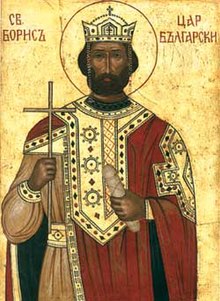
St. Boris is a figure deeply rooted in Christian mythology, particularly within the Eastern Orthodox tradition. He is often recognized as a saint and martyr, and his story is intertwined with the early Christian history of the Slavic peoples. His life and legacy are celebrated in various regions, particularly in Bulgaria, where he is known for his role in the Christianization of the Bulgarian people. His contributions to the faith and his martyrdom have made him a significant figure in the religious narrative of Eastern Orthodoxy.
Life of St. Boris
The life of St. Boris is marked by significant events that shaped his identity as a Christian leader. Born into a royal family, he was initially known as Boris I of Bulgaria. His reign began in the late 9th century when Bulgaria was still a pagan nation. St. Boris faced many challenges as he sought to convert his people to Christianity. His desire to spread the Christian faith was not just a personal conviction; it was a pivotal moment for the future of Bulgaria. He understood that embracing Christianity would unify his people and strengthen his kingdom.
 St. Boniface Of Mainz
St. Boris’s conversion to Christianity was influenced by various factors, including diplomatic relations with the Byzantine Empire. After a significant encounter with Christian missionaries, he decided to adopt Christianity as the state religion. This decision was monumental, as it marked the beginning of a new era for Bulgaria. St. Boris took the name Boris after his baptism, symbolizing his new faith and commitment to spreading Christianity among his subjects.
His reign saw the establishment of numerous churches and monasteries, which played a crucial role in educating the populace about Christian teachings. St. Boris was not only a ruler but also a spiritual leader who sought to guide his people toward a more profound understanding of Christianity. His efforts were met with resistance from some factions within Bulgaria, as many still clung to pagan beliefs. Despite this, he persevered, believing that the benefits of Christianity would ultimately prevail.
 St. Boniface Iv
Martyrdom and Legacy
The legacy of St. Boris is intricately tied to his martyrdom. After ruling for several years and successfully converting many of his subjects, he faced significant opposition from pagan nobles who resented his reforms. This opposition culminated in a rebellion that forced him to abdicate the throne. Despite this setback, St. Boris remained steadfast in his faith. He retreated to a monastery, where he continued to promote Christianity among those who sought refuge there.
St. Boris’s martyrdom is often depicted as a tragic but noble sacrifice. After a brief period of exile, he returned to Bulgaria, only to face persecution once again. His unwavering commitment to Christianity ultimately led to his death, as he was executed by those who opposed his teachings. This act of martyrdom solidified his status as a saint in the eyes of the Church. His death was seen as a testament to his faith and dedication to spreading Christianity, even in the face of violence and opposition.
The story of St. Boris resonates with many believers who see him as a symbol of courage and conviction. His martyrdom is commemorated through various feasts and celebrations within the Orthodox Church. These observances serve as a reminder of his sacrifices and the importance of faith in the face of adversity. His legacy continues to inspire countless individuals who seek to emulate his devotion to God and his commitment to the Christian faith.
 St. Boniface I
St. Boris in Bulgarian Culture
In Bulgaria, St. Boris is celebrated as a national hero and a key figure in the history of the country. His contributions to the Christian faith have made him an integral part of Bulgarian culture. The day of his feast is marked with various traditions and rituals that reflect the deep respect and admiration that the Bulgarian people hold for him. Many Bulgarians honor him by attending church services, lighting candles, and offering prayers in his name.
St. Boris is also associated with several important cultural symbols. Many churches and institutions in Bulgaria are named after him, serving as a testament to his enduring legacy. The image of St. Boris is often depicted in religious art, showcasing his role as a leader and martyr. These representations serve not only as a reminder of his life but also as an inspiration for future generations to uphold the values he championed.
Moreover, St. Boris’s story has been passed down through generations, becoming a vital part of Bulgarian folklore. His life and martyrdom are often recounted in stories, songs, and poems, emphasizing his importance in the national consciousness. This cultural transmission ensures that his legacy remains alive, allowing new generations to learn about the profound impact he had on their ancestors and the Christian faith in Bulgaria.
Feast Days and Celebrations
The feast day of St. Boris is celebrated on May 2nd in the Eastern Orthodox calendar. This day is marked with various religious observances, including liturgical services and processions. Many believers take this opportunity to reflect on the life and teachings of St. Boris, seeking inspiration from his unwavering faith and commitment to Christianity. The celebrations often include the singing of hymns and prayers dedicated to him, creating a sense of community among the faithful.
In addition to religious services, cultural events are also organized to honor St. Boris. These events may include folk dances, music performances, and traditional meals that bring people together to celebrate their shared heritage. Such gatherings foster a sense of unity and pride among Bulgarians, as they remember the sacrifices made by St. Boris for the sake of their faith. The festivities serve as a reminder of the importance of community and the role that faith plays in shaping cultural identity.
During the celebrations, it is common for families to visit churches dedicated to St. Boris, lighting candles and offering prayers. This practice not only honors the saint but also strengthens the bond between the community and their faith. The atmosphere during these celebrations is often filled with joy and reverence, as people come together to celebrate their shared beliefs and values. This annual observance of St. Boris’s feast day serves as a powerful reminder of his enduring legacy and the impact he has had on the spiritual life of the Bulgarian people.
St. Boris and the Christianization of Bulgaria
The Christianization of Bulgaria is a pivotal event in the country’s history, and St. Boris played a crucial role in this transformation. His decision to adopt Christianity as the state religion set the stage for the widespread acceptance of the faith among the Bulgarian populace. This shift was not merely a political maneuver; it reflected St. Boris’s deep commitment to fostering a spiritual awakening among his people. By embracing Christianity, he aimed to unify his kingdom and establish a moral framework for governance.
St. Boris understood that converting a nation steeped in pagan traditions would require careful planning and patience. He sought the help of Byzantine missionaries, who were instrumental in educating the Bulgarian people about Christian beliefs and practices. These missionaries traveled throughout the land, spreading the message of Christ and establishing churches and schools. St. Boris’s support for these efforts demonstrated his dedication to the spiritual growth of his nation.
The process of Christianization was met with resistance from some segments of society, particularly among the pagan nobility. However, St. Boris remained resolute in his mission, believing that the long-term benefits of Christianity would outweigh the immediate challenges. His efforts to promote the faith laid the groundwork for the development of a distinct Bulgarian Christian identity, which continues to influence the country to this day. The legacy of St. Boris as a pioneer of Christianization is celebrated not only in religious contexts but also in national history.
St. Boris and Ecumenical Relations
St. Boris’s role in the Christianization of Bulgaria also had significant implications for ecumenical relations within the broader Christian community. His decision to align Bulgaria with the Byzantine Church created a strong connection between the two regions. This relationship facilitated the exchange of ideas, cultural practices, and theological insights that enriched both communities. St. Boris’s commitment to Christianity fostered a spirit of collaboration among different Christian denominations, paving the way for future ecumenical dialogues.
The establishment of the Bulgarian Orthodox Church under St. Boris’s leadership further strengthened these ties. The church became a vital institution for the dissemination of Christian teachings and practices. It served as a unifying force for the Bulgarian people, helping to forge a distinct national identity rooted in faith. The Bulgarian Orthodox Church continues to play a crucial role in the religious landscape of the country, drawing inspiration from St. Boris’s legacy.
St. Boris’s efforts to promote Christianity and establish strong ecclesiastical ties have left an indelible mark on the relationship between Bulgaria and other Christian nations. His example of leadership and dedication to the faith serves as a model for contemporary ecumenical efforts. The importance of fostering dialogue and understanding among different Christian traditions remains a central theme in the ongoing pursuit of unity within the global Christian community.
Modern Commemoration of St. Boris
In contemporary times, the legacy of St. Boris continues to be commemorated in various ways. His story is taught in schools, and his contributions to the Christian faith are celebrated in churches throughout Bulgaria and beyond. The annual feast day serves as a focal point for religious observance, bringing together believers to honor his memory and reflect on his teachings. These modern commemorations highlight the enduring significance of St. Boris in the spiritual life of the Bulgarian people.
In addition to religious observances, cultural events and festivals are organized to celebrate St. Boris’s legacy. These events often feature traditional music, dance, and food, showcasing the rich cultural heritage of Bulgaria. By incorporating elements of folk culture into the commemorations, the Bulgarian people are able to express their gratitude for St. Boris’s contributions while also celebrating their national identity. Such festivities create a sense of continuity, linking the past with the present.
The modern commemoration of St. Boris also extends beyond Bulgaria. His story resonates with many Christians around the world who see him as a symbol of faith and perseverance. Various Christian communities commemorate his life through prayers, services, and educational programs, emphasizing the universal values he represents. The impact of St. Boris’s life and martyrdom transcends geographical boundaries, inspiring believers to remain steadfast in their faith and commitment to God.
St. Boris and Interfaith Dialogue
The life of St. Boris also opens avenues for interfaith dialogue, particularly in regions where Christianity and other faiths coexist. His efforts to promote Christianity were not solely about conversion; they were also about fostering a sense of community and understanding among different religious groups. By emphasizing the moral and ethical teachings of Christianity, St. Boris contributed to a broader conversation about faith and values that transcends specific religious identities.
In today’s multicultural societies, the example set by St. Boris can inspire individuals and communities to engage in meaningful dialogue with people of other faiths. His commitment to peace and unity serves as a reminder of the importance of mutual respect and understanding in fostering harmonious relationships. Interfaith initiatives that draw upon the values exemplified by St. Boris can help build bridges between different religious communities, promoting cooperation and dialogue in a world that often faces division.
The legacy of St. Boris as a promoter of faith and unity encourages contemporary believers to seek common ground with others, regardless of their religious backgrounds. His story illustrates the potential for faith to inspire positive change and foster understanding in a diverse world. As communities continue to navigate the complexities of interfaith relationships, the teachings and example of St. Boris remain relevant and valuable.