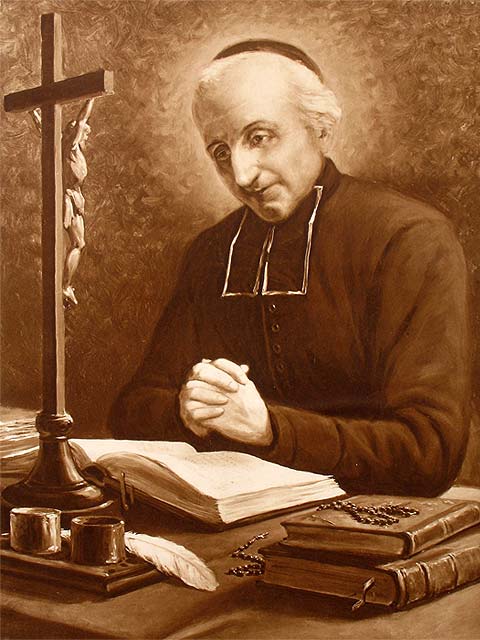
St. Andrew Fournet is a significant figure in Christian mythology, known for his deep faith and dedication to the service of God. He was born in France in the late 18th century and became a priest during a time of great upheaval in Europe. His life was marked by a commitment to his parish and a strong desire to help those in need. The story of St. Andrew Fournet is not just about his personal faith but also about how he influenced the lives of many around him. His legacy continues to inspire countless individuals today.
Early Life and Background
St. Andrew Fournet was born on January 12, 1752, in the small village of Chazemais, located in the Allier department of France. His family was known for their devout Catholic faith, which played a significant role in shaping Andrew’s spiritual journey. From a young age, he exhibited a strong inclination towards religious life. His parents, recognizing his passion for the faith, encouraged him to pursue his calling. This early support laid the foundation for his future as a devoted priest.
 St. Andrew Dung-Lac
As a child, Andrew was known for his kind heart and willingness to help others. He often spent his free time assisting the less fortunate in his community. This nurturing spirit was evident in his interactions with both peers and elders. His early experiences in service would later inform his pastoral approach as a priest. Andrew’s education was marked by a strong emphasis on religious studies, which deepened his understanding of the scriptures and the teachings of the Church.
In 1770, Andrew Fournet entered the seminary to prepare for the priesthood. During this time, he faced various challenges, including the political turmoil that was sweeping through France. The French Revolution created a hostile environment for many religious figures, but Andrew remained steadfast in his commitment to God. His determination to serve the Church only grew stronger during these tumultuous years, solidifying his resolve to make a difference in the world around him.
 St. André Of Montreal
Ordination and Early Ministry
Andrew Fournet was ordained a priest in 1779. He began his ministry in a small parish, where he quickly became known for his compassion and dedication to his congregation. His ability to connect with people from all walks of life allowed him to build strong relationships within the community. He was not just a priest; he was a confidant, a counselor, and a friend to many. Andrew’s pastoral care extended beyond the walls of the church, as he actively sought to address the physical and spiritual needs of his parishioners.
During his early ministry, Andrew faced numerous challenges, including the effects of the Revolution on the Church. Many churches were closed, and priests were persecuted. Despite these obstacles, he continued to serve with unwavering faith. He held secret masses and provided sacraments to those who needed them, often at great personal risk. His bravery and dedication earned him the respect and admiration of his community, further solidifying his role as a spiritual leader.
Andrew’s ministry was characterized by his emphasis on education and spiritual growth. He believed that knowledge of the faith was essential for a strong relationship with God. To this end, he organized catechetical classes for both children and adults, helping them deepen their understanding of the Catholic faith. His efforts to educate his parishioners demonstrated his commitment to fostering a vibrant spiritual community.
 St. Ambrose
Community Service and Outreach
St. Andrew Fournet’s commitment to service extended beyond his parish. He was deeply involved in various community outreach programs aimed at assisting the poor and marginalized. Andrew recognized the struggles faced by many families during his time, particularly in the wake of the Revolution. He established food distribution programs and worked with local charities to provide assistance to those in need. His selflessness and dedication to helping others made a lasting impact on his community.
- Food Distribution: Andrew organized regular food drives to ensure that families had access to essential supplies.
- Charity Work: He collaborated with local charities to provide clothing and shelter to the homeless.
- Health Care: Andrew advocated for better healthcare access and often visited the sick and elderly in their homes.
One of the most notable aspects of Andrew’s outreach was his focus on education for the less fortunate. He believed that education was a powerful tool for breaking the cycle of poverty. Andrew established informal schools where children could learn basic literacy and religious education. This initiative not only provided children with valuable skills but also instilled a sense of hope for a brighter future. His efforts in community service exemplified his belief in the importance of serving others as a reflection of one’s faith.
Moreover, Andrew Fournet was a strong advocate for social justice. He spoke out against injustices faced by the poor and marginalized, urging his fellow clergy and community members to take action. His passionate sermons often highlighted the need for compassion and solidarity with those who were suffering. Andrew’s voice became a beacon of hope for many, inspiring others to join him in his mission to uplift the downtrodden.
Spiritual Teachings and Legacy
St. Andrew Fournet’s spiritual teachings were deeply rooted in the Catholic tradition. He emphasized the importance of prayer and personal relationship with God. Andrew believed that through prayer, individuals could find strength and guidance in their daily lives. He often encouraged his parishioners to develop a consistent prayer life, reminding them that it was a vital component of their spiritual growth.
In addition to prayer, Andrew stressed the significance of community within the Church. He believed that the faithful were called to support one another in their spiritual journeys. Andrew fostered a sense of belonging among his parishioners, encouraging them to participate actively in church activities. His teachings emphasized that the Church was not just a building, but a living community of believers united in faith.
Andrew Fournet’s legacy is reflected in the lives he touched during his ministry. Many of his parishioners went on to become leaders in their own right, inspired by his example of service and dedication. His teachings continue to resonate with those who seek to live out their faith in meaningful ways. The principles he championed, such as compassion, service, and community, remain relevant today.
Recognition and Canonization
St. Andrew Fournet’s life and contributions to the Church did not go unnoticed. After his death on December 8, 1820, he was remembered as a devoted priest and a man of great faith. His impact on the community and the Church was profound, leading to a growing recognition of his holiness. Over the years, many individuals began to advocate for his canonization, believing that his life exemplified the virtues of a saint.
In 1954, the process for Andrew’s canonization officially began. The Church conducted a thorough investigation into his life, ministry, and the miracles attributed to him. This process included gathering testimonies from those who had known him and examining the impact of his work on the community. After years of deliberation, Andrew Fournet was beatified, a significant step toward sainthood.
Finally, on January 12, 1960, St. Andrew Fournet was canonized by Pope John XXIII. This recognition solidified his status as a saint in the Catholic Church, inspiring many to follow in his footsteps. His feast day is celebrated on December 8, the anniversary of his death, allowing the faithful to honor his memory and legacy. The canonization of St. Andrew Fournet serves as a reminder of the power of faith and the importance of serving others in the name of Christ.
The story of St. Andrew Fournet is one of profound faith, unwavering dedication, and a deep commitment to serving others. His life exemplifies the values of compassion, community, and social justice, making him a beloved figure in Christian mythology. Through his teachings and actions, Andrew continues to inspire individuals to live out their faith in meaningful ways, fostering a spirit of love and service in the world.