
Melqart is a significant figure in Canaanite mythology, often recognized as a god associated with the city of Tyre, which is located in modern-day Lebanon. He is sometimes referred to as the “Lord of the City” and is primarily known for his connections to the sea and agriculture. The worship of Melqart was not only confined to Tyre but spread throughout the Phoenician cities, where he was revered as a powerful deity who controlled various aspects of life and nature. His attributes and stories highlight the beliefs and values of the ancient Canaanites, providing insight into their culture and spirituality.
Origins and Historical Context
The origins of Melqart can be traced back to the ancient Near East, where Canaanite culture flourished. As a Canaanite god, Melqart was part of a rich pantheon that included many deities, each governing different aspects of life. His worship is believed to have started around the 2nd millennium BCE, with his influence peaking during the height of Phoenician civilization. The Phoenicians were known for their maritime trade, and Melqart’s connection to the sea made him an essential figure for sailors and traders who relied on favorable conditions for their voyages.
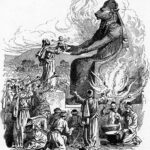 Moloch
Historically, Melqart was often equated with other gods from different cultures, showing the interconnectedness of ancient religions. For instance, he is sometimes associated with the Greek god Heracles and the Roman god Hercules. This syncretism indicates that Melqart was not only a local deity but also a significant figure in the broader context of Mediterranean mythology. As trade routes expanded, the stories and worship of Melqart spread, influencing various cultures and leading to the integration of his attributes into other religious practices.
Symbolism and Attributes
Melqart is commonly depicted with various symbols that reflect his divine nature. One of the most recognizable symbols associated with him is the lion, representing strength, courage, and protection. Lions were often considered guardians, and their association with Melqart highlights his role as a protector of the city and its people. Additionally, Melqart is frequently shown wearing a crown adorned with antlers, symbolizing his connection to nature and fertility.
Another significant aspect of Melqart’s symbolism is his association with agriculture. He was revered as a god who brought prosperity to the fields, ensuring bountiful harvests. This agricultural aspect of Melqart’s worship reflects the importance of farming in Canaanite society. The cycle of planting and harvesting was crucial for survival, and Melqart’s blessings were sought to ensure a successful yield. Festivals and rituals were held in his honor, particularly during planting and harvesting seasons, showcasing the deep-rooted connection between the deity and the agricultural practices of the people.
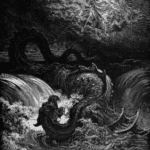 Lotan
LotanWorship and Rituals
The worship of Melqart involved various rituals and ceremonies, many of which took place in temples dedicated to him. One of the most famous temples was located in Tyre, where the community gathered to honor their god. These temples often served as the center of religious and social life, where people came to offer sacrifices, pray for favors, and participate in communal activities. The priests played a vital role in these ceremonies, acting as intermediaries between the deity and the worshippers.
Rituals often included offerings of food, wine, and sometimes even animal sacrifices. These offerings were meant to appease Melqart and seek his blessings for various aspects of life, such as fertility, prosperity, and safe travels. Additionally, festivals dedicated to Melqart were celebrated with great enthusiasm, featuring music, dance, and theatrical performances that recounted the myths and stories associated with the god. Such celebrations not only honored Melqart but also reinforced community bonds and cultural identity among the Canaanites.
Melqart in Mythology
The myths surrounding Melqart are rich and varied, often depicting his adventures and struggles. One prominent myth tells of his journey to the underworld, where he battled various forces to rescue his beloved. This journey symbolizes the cycle of life and death, reflecting the belief in resurrection and renewal. It is said that after overcoming challenges in the underworld, Melqart returned to the surface, bringing with him the promise of fertility and abundance for the land.
 Hyposouranios
Another notable story involves Melqart’s role as a protector of sailors. According to myth, he would calm the seas during storms, ensuring safe passage for those navigating the treacherous waters. This aspect of his mythology highlights the importance of maritime trade to the Phoenician people, who relied heavily on the sea for their livelihood. Sailors would often invoke Melqart’s name before embarking on voyages, seeking his protection and guidance.
Influence and Legacy
Melqart’s influence extended beyond the borders of Canaan and Phoenicia, impacting neighboring cultures and religions. His worship was adopted by various Mediterranean civilizations, leading to the establishment of temples and altars in different regions. The Greeks and Romans, in particular, recognized Melqart’s significance, incorporating him into their own mythologies and religious practices. This cross-cultural exchange is evident in the similarities between Melqart and figures like Heracles and Hercules.
The legacy of Melqart can also be seen in the archaeological remains of temples and inscriptions found throughout the ancient world. These artifacts provide valuable insight into the worship practices and beliefs of the Canaanites. Additionally, Melqart’s stories have been preserved through various texts, allowing modern scholars to study the intricacies of Canaanite mythology. His enduring presence in historical records reflects the profound impact he had on the spiritual landscape of the ancient Near East.
Modern Interpretations
In contemporary times, the figure of Melqart has garnered interest among scholars and enthusiasts of mythology. His stories and attributes are studied within the broader context of ancient Near Eastern religions, contributing to our understanding of the cultural dynamics of the region. Various interpretations of Melqart’s significance have emerged, exploring themes such as resilience, protection, and the connection between humanity and nature.
Additionally, Melqart’s legacy continues to inspire modern literature and art. Artists and writers draw upon his myths, reimagining his character and stories in new and innovative ways. This creative engagement with Melqart not only keeps his memory alive but also highlights the relevance of ancient mythology in contemporary society. The enduring fascination with Melqart speaks to the universal themes found in his stories, resonating with audiences across different cultures and eras.
Melqart remains a fascinating figure within Canaanite mythology, embodying the values and beliefs of an ancient civilization. His attributes, stories, and worship practices provide insight into the spiritual life of the Canaanites, showcasing their connection to nature, agriculture, and the sea. As a symbol of strength and protection, Melqart’s legacy continues to resonate, reminding us of the enduring power of mythology in shaping cultural identity and understanding.