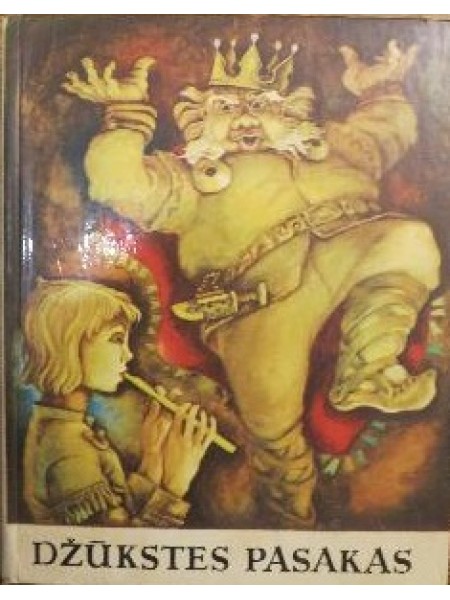
In the realm of Latvian mythology, one of the most intriguing figures is Puškaitis. This character is often associated with the natural world and embodies various elements of Latvian folklore. The stories surrounding Puškaitis reflect the deep connection that the Latvian people have with nature and their surroundings. His presence in the mythological landscape provides insights into the cultural values and beliefs of the Latvian society. Through various tales, Puškaitis is depicted as a guardian of the forest, a symbol of strength, and a protector of the people.
The Origins of Puškaitis
The origins of Puškaitis can be traced back to ancient times when the people of Latvia relied heavily on the natural world for survival. Many scholars believe that Puškaitis represents the spirit of the forest, embodying the essence of trees, animals, and the earth itself. In this context, he is not merely a character but a manifestation of the forces of nature that were revered by the ancient Latvians. The stories of his deeds often emphasize the importance of living in harmony with nature, a theme that resonates deeply in Latvian culture.
 Perkons
According to various legends, Puškaitis was born from the union of a great oak tree and the spirit of the earth. This origin story highlights his connection to the land and its natural resources. The oak tree, in particular, is a significant symbol in Latvian culture, representing strength, endurance, and longevity. By being born from such a powerful entity, Puškaitis embodies these qualities and serves as a protector of the forests and the creatures that inhabit them.
Characteristics and Attributes
Puškaitis is often depicted as a tall, robust figure, resembling a traditional forest guardian. He is described as having a long beard made of moss and leaves, symbolizing his deep connection to the forest. His clothing is typically crafted from natural materials, reflecting the flora and fauna of his environment. This portrayal emphasizes his role as a protector of the natural world and showcases the intricate relationship between humans and nature in Latvian mythology.
One of the most notable attributes of Puškaitis is his ability to communicate with animals. In many stories, he is shown to have a special bond with the creatures of the forest, allowing him to understand their needs and concerns. This ability highlights the importance of empathy and respect for all living beings, a value that is deeply ingrained in Latvian culture. Puškaitis often acts as a mediator between humans and animals, ensuring that both can coexist peacefully.
 Moschel
Key Attributes of Puškaitis
- Protector of the Forest: Puškaitis safeguards the trees and animals, ensuring the balance of nature.
- Communicator with Animals: He understands and speaks the language of the creatures, fostering harmony.
- Symbol of Strength: His robust figure represents endurance and resilience in the face of adversity.
- Embodiment of Nature: Puškaitis is a manifestation of the earth’s spirit, connecting the people to their environment.
Legends and Tales of Puškaitis
Numerous legends exist that illustrate the adventures and teachings of Puškaitis. One popular tale recounts how he saved a village from a devastating drought. The people were suffering, and their crops were failing. In desperation, they called upon Puškaitis to help them. In response, he ventured deep into the forest to seek the aid of the spirits of the water. After a long journey, he successfully negotiated with the spirits, who agreed to bring rain to the parched land. This story emphasizes the importance of seeking harmony with nature and highlights Puškaitis as a mediator between humans and the natural world.
Another legend tells of Puškaitis confronting a group of hunters who were recklessly killing animals in the forest. Enraged by their disrespect for nature, Puškaitis transformed himself into a mighty bear, a creature known for its strength and ferocity. He confronted the hunters, warning them of the consequences of their actions. The hunters, frightened by the powerful figure before them, fled the forest and vowed never to return. This tale serves as a cautionary reminder of the need to respect the balance of nature and the consequences of greed.
Puškaitis in Latvian Culture
Puškaitis holds a significant place in Latvian culture, representing the values of respect, harmony, and strength. His stories are often told to children as a way to instill a sense of responsibility towards nature. The character serves as a reminder of the importance of protecting the environment and living sustainably. In modern Latvia, Puškaitis has become a symbol of environmentalism, inspiring movements aimed at preserving the country’s natural heritage.
 Meža Virs
Moreover, Puškaitis is celebrated in various forms of art and literature. Many contemporary Latvian artists draw inspiration from his tales, creating paintings, sculptures, and literature that explore themes of nature and mythology. These artistic expressions help to keep the stories of Puškaitis alive and relevant in today’s society, ensuring that future generations continue to learn about the importance of nature and the lessons embedded in Latvian folklore.
The Symbolism of Puškaitis
Puškaitis is rich in symbolism, representing various aspects of life and nature. One of the most significant symbols associated with him is the oak tree. As mentioned earlier, the oak tree is a powerful symbol in Latvian culture, representing strength and resilience. Puškaitis, as a guardian of the forests, embodies these qualities and serves as a reminder of the importance of staying grounded and strong in the face of challenges.
Additionally, Puškaitis symbolizes the interconnectedness of all living beings. His ability to communicate with animals and understand their needs reflects the idea that all creatures are part of a larger ecosystem. This interconnectedness is a fundamental principle in many indigenous cultures, emphasizing the need for respect and harmony between humans and nature. Puškaitis serves as a bridge between these worlds, reminding people of their responsibility to protect the environment.
Symbolic Elements of Puškaitis
- Oak Tree: Represents strength, endurance, and resilience.
- Animals: Symbolizes the interconnectedness of all living beings.
- Forest: A representation of nature’s beauty and the need for protection.
- Water: Signifies life and the importance of balance in the ecosystem.
Modern Interpretations of Puškaitis
In contemporary society, Puškaitis has taken on new meanings and interpretations. As environmental issues become increasingly pressing, the figure of Puškaitis serves as a powerful symbol for ecological awareness and activism. Many people in Latvia view him as a call to action, urging individuals to take responsibility for their environmental impact and advocate for sustainable practices.
Various organizations in Latvia have adopted Puškaitis as a mascot for their environmental campaigns. They use his image to promote initiatives such as tree planting, wildlife conservation, and pollution reduction. By associating Puškaitis with these causes, they aim to inspire a deeper connection between people and nature, encouraging a sense of stewardship for the land.
Puškaitis in Festivals and Celebrations
Puškaitis is often celebrated during various festivals and cultural events in Latvia. These celebrations typically involve traditional music, dance, and storytelling, all centered around the themes of nature and mythology. During these festivals, people gather to honor Puškaitis and the natural world, reinforcing the values he represents.
One of the most popular events is the summer solstice festival, known as Jāņi. During this time, people celebrate the longest day of the year by honoring the sun and the natural elements. Puškaitis is often invoked during these celebrations, with rituals aimed at ensuring a bountiful harvest and a harmonious relationship with nature. This festival serves as a reminder of the deep-rooted traditions and beliefs that continue to shape Latvian culture.
Festivals Celebrating Puškaitis
- Jāņi: A summer solstice festival celebrating nature and the sun.
- Harvest Festival: A celebration of the harvest season, invoking Puškaitis for a bountiful yield.
- Nature Walks: Organized events where people explore forests and learn about local flora and fauna.
- Storytelling Nights: Gatherings where traditional tales of Puškaitis are shared and celebrated.
The Legacy of Puškaitis
Puškaitis leaves a lasting legacy in Latvian culture and mythology. His stories and attributes continue to inspire individuals to connect with nature and understand the importance of environmental stewardship. As the world faces growing ecological challenges, the teachings of Puškaitis resonate more than ever, reminding people of their responsibility to protect the earth.
Furthermore, the character of Puškaitis serves as a reminder of the rich cultural heritage of Latvia. His tales encapsulate the wisdom of the ancestors, emphasizing the need for balance and respect for nature. As new generations emerge, the stories of Puškaitis will likely continue to evolve, adapting to contemporary issues while retaining their core messages of strength and harmony.
Puškaitis is a central figure in Latvian mythology, representing the deep connection between the people and the natural world. Through his stories, attributes, and the cultural practices surrounding him, Puškaitis embodies the values of strength, respect, and harmony. As Latvia navigates modern challenges, the legacy of Puškaitis serves as a guiding light, urging individuals to cherish and protect the environment for future generations.