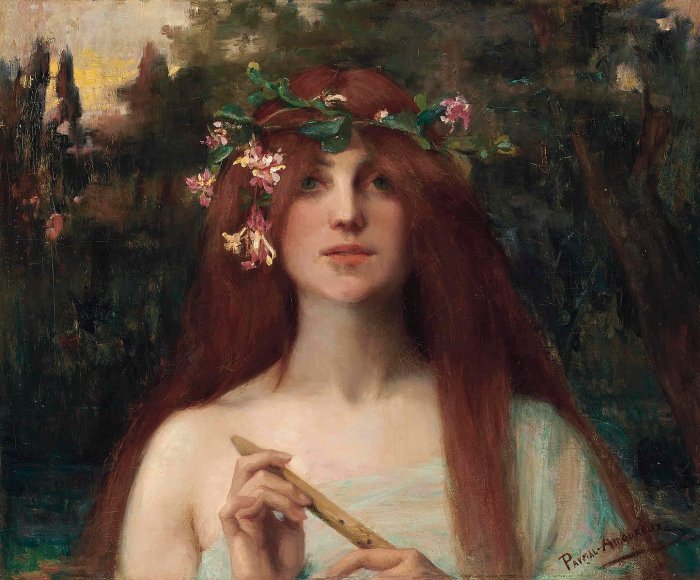
In Greek mythology, the term Limoniades refers to a group of nymphs associated with meadows and pastures. These enchanting beings are often depicted as beautiful young women who personify the lushness of nature. Their name comes from the Greek word for meadow, “limon,” which signifies their connection to fertile lands and the beauty of the natural world. The Limoniades are not only significant in the context of mythology but also symbolize the harmony between humans and nature, showcasing the Greeks’ deep reverence for the environment.
Origins and Characteristics of Limoniades
The Limoniades are considered minor deities within the rich tapestry of Greek mythology. They are often classified as a type of nymph, specifically linked to the pastoral and rural aspects of life. According to ancient texts, these nymphs inhabit the lush meadows and are often depicted dancing joyfully among the flowers and trees. Their ethereal beauty is said to be complemented by their connection to the earth, as they are believed to help in the growth of plants and the fertility of the land.
 Lelantus
In many stories, the Limoniades are portrayed as protectors of nature. They are closely associated with the cycles of growth and decay, representing the seasonal changes that occur in the natural world. When spring arrives, the Limoniades are said to emerge from their hidden groves, bringing life and vibrancy to the meadows. This connection to the seasons emphasizes their role as guardians of the earth’s fertility and abundance.
Role in Greek Myths
The Limoniades appear in various myths and stories, often playing supportive roles to more prominent gods and heroes. For instance, they are sometimes depicted as companions of Dionysus, the god of wine and festivity. In these tales, the Limoniades join in the celebrations, dancing and singing, embodying the joy and beauty of nature that Dionysus represents. Their presence adds a sense of enchantment to these stories, highlighting the interplay between divinity and the natural world.
Additionally, the Limoniades are known to assist heroes on their quests. In some legends, they provide guidance or gifts to those who respect nature and seek harmony with the environment. This role reinforces the idea that the Limoniades are not just passive figures; they actively contribute to the lives of mortals who honor the earth. Their involvement in these narratives serves as a reminder of the importance of nature in Greek culture.
 Lethe
LetheSymbolism of Limoniades
The Limoniades symbolize the beauty and richness of the natural world. They represent the balance between humanity and nature, illustrating the idea that humans should live in harmony with their surroundings. The presence of these nymphs in mythology encourages respect for the environment and an appreciation for the simple pleasures of life, such as the beauty of a blooming meadow or the tranquility of a quiet grove.
Moreover, the Limoniades embody the themes of fertility and abundance. Their association with meadows suggests a connection to agriculture and the sustenance that the earth provides. In a society that relied heavily on farming, the Limoniades served as a reminder of the vital role that nature plays in human survival. This connection to fertility also extends to the idea of personal growth and the flourishing of relationships, symbolizing how nurturing environments can lead to positive outcomes.
 Leto
LetoArtistic Representations of Limoniades
The Limoniades have been depicted in various forms of art throughout history. In ancient pottery, they are often illustrated alongside other nymphs or deities, showcasing their beauty and connection to nature. Artists frequently portray them with flowers, vines, and other elements of the natural world, emphasizing their role as guardians of the earth. These artistic representations highlight the Greeks’ appreciation for the aesthetic qualities of nature and its divine aspects.
In literature, the Limoniades are mentioned in several works, often serving as symbols of beauty and the ephemeral nature of life. Poets and playwrights have drawn inspiration from these nymphs, using them to convey themes of love, loss, and the passage of time. Their presence in these narratives adds a layer of depth, as they embody the transient beauty of the natural world that humans must cherish.
Modern Interpretations of Limoniades
In contemporary culture, the Limoniades continue to inspire artists, writers, and environmentalists. Their association with nature resonates with modern movements that advocate for the protection of the environment. Many people draw parallels between the Limoniades and current efforts to preserve natural habitats and promote sustainability. The nymphs serve as a reminder of the importance of respecting and nurturing the earth for future generations.
Furthermore, the Limoniades are often referenced in discussions about mythology and its relevance today. They represent the timeless connection between humans and the environment, encouraging individuals to reflect on their relationship with nature. In literature and art, modern interpretations of the Limoniades often emphasize themes of conservation and ecological awareness, showcasing their enduring significance in a rapidly changing world.
Festivals and Celebrations
In ancient Greece, various festivals were held in honor of the Limoniades and other nymphs. These celebrations often took place during the spring and summer months when nature was at its most vibrant. During these festivals, communities would gather to honor the nymphs with songs, dances, and offerings. Such events served not only as a way to celebrate the beauty of nature but also as an opportunity for social bonding among community members.
One of the most notable aspects of these festivals was the emphasis on agriculture and fertility. People would pray for a bountiful harvest, believing that the Limoniades would bless their crops and ensure their prosperity. The rituals often included decorating altars with flowers and fruits, symbolizing the abundance that the nymphs represented. This connection to agricultural practices highlights the deep-seated belief in the importance of nature in sustaining human life.
Limoniades in Literature
Throughout history, the Limoniades have been featured in various literary works, illustrating their enduring appeal in storytelling. Ancient poets like Hesiod and Homer mentioned these nymphs in their epic tales, often depicting them as symbols of beauty and grace. Their presence in literature serves to elevate the themes of nature and its significance in the lives of mortals, reinforcing the idea that the natural world is filled with divine beings.
In modern literature, authors continue to explore the concept of the Limoniades, often using them as metaphors for the relationship between humanity and nature. These nymphs may appear in fantasy novels, children’s stories, and poetry, where they embody the qualities of kindness, nurturing, and the beauty of the natural world. Their representation in contemporary literature serves as a reminder of the importance of environmental stewardship and the need to protect the earth’s resources.
The Legacy of Limoniades
The legacy of the Limoniades endures in various aspects of culture, from art to environmental movements. As symbols of nature’s beauty and fertility, they continue to inspire individuals to appreciate and protect the environment. The stories and representations of the Limoniades serve as a reminder of the interconnectedness of all living beings and the importance of maintaining a harmonious relationship with the earth.
Moreover, the Limoniades’ influence can be seen in modern discussions about sustainability and ecological awareness. Their role as protectors of nature resonates with contemporary efforts to combat climate change and promote conservation. By honoring the spirit of the Limoniades, individuals and communities can work towards a more sustainable future, ensuring that the beauty of nature is preserved for generations to come.
The Limoniades hold a special place in Greek mythology as symbols of beauty, fertility, and the harmonious relationship between humans and nature. Their enchanting presence in myths, art, and literature reflects the ancient Greeks’ deep reverence for the natural world. As modern society faces environmental challenges, the legacy of the Limoniades serves as a powerful reminder of the importance of protecting and nurturing the earth.