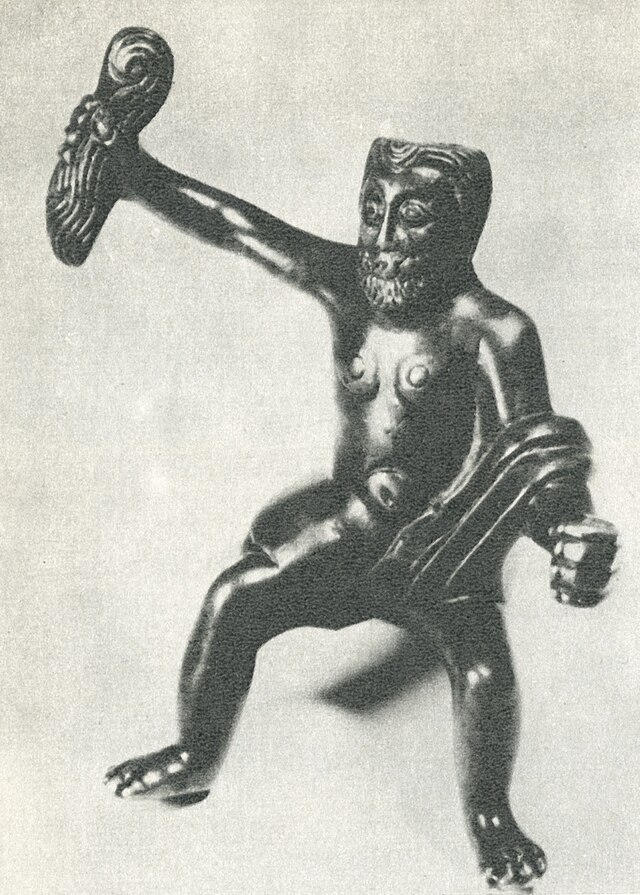
In Latvian mythology, Perkons is a significant deity associated with thunder, lightning, and storms. He is often depicted as a powerful figure who wields a hammer or an axe, representing his control over the forces of nature. The character of Perkons is not only a symbol of strength but also a protector of crops and a bringer of rain, which is vital for agricultural societies. His role in the mythology reflects the deep connection between the ancient Latvians and their environment, showcasing how they revered natural elements and deities that influenced their daily lives.
The Origins of Perkons
The origins of Perkons can be traced back to ancient Baltic traditions. He is often linked with other thunder gods found in different cultures, highlighting the universal nature of thunder deities. In the Baltic region, Perkons is seen as a descendant of the primordial beings that shaped the world. According to legends, he emerged from the cosmic waters and was tasked with maintaining order in the universe. This narrative illustrates the belief that natural phenomena, such as thunderstorms, were manifestations of divine activity.
 Moschel
Furthermore, Perkons is frequently associated with the sky and the natural world. In many tales, he is depicted as riding across the sky in a chariot, creating thunder with the pounding of his hooves. This imagery emphasizes his connection to the elements and his role as a guardian of nature. The Latvian language reflects this connection, as the word “perkons” is derived from the Proto-Baltic word for thunder, illustrating the deep-rooted cultural significance of this deity.
Perkons in Mythology
In Latvian mythology, Perkons is often depicted as a fierce warrior battling against evil forces. He is seen as a protector of humanity, fighting against the chaos that threatens the natural order. His battles are symbolic of the struggle between good and evil, light and darkness. This duality is a common theme in many mythologies, where the thunder god often represents the forces of order and civilization against chaos and destruction.
One of the most well-known stories involving Perkons is his fight against the serpent or dragon. This creature is often depicted as a representation of chaos, and Perkons’ victory symbolizes the triumph of order over disorder. In these tales, the thunder god uses his mighty weapon to defeat the serpent, bringing peace and stability to the world. This narrative not only highlights his strength but also serves as a reminder of the importance of maintaining balance in nature.
 Meža Virs
Symbolism and Attributes
Perkons is rich in symbolism and is associated with various attributes that reflect his character. His primary symbols include the thunderbolt, the hammer, and the oak tree. The thunderbolt represents his power over storms and his ability to control the elements. The hammer, often seen as his weapon, symbolizes strength and protection. In many cultures, hammers are associated with creation and destruction, and in the case of Perkons, they embody both aspects of his nature.
The oak tree is another important symbol connected to Perkons. In ancient Latvia, oaks were revered as sacred trees, often seen as a source of strength and stability. They were believed to be the dwelling places of gods and spirits. The connection between Perkons and the oak tree emphasizes his role as a protector of nature and the importance of the natural world in Latvian culture. The oak tree also symbolizes endurance, reflecting Perkons’ enduring presence in the hearts and minds of the Latvian people.
Worship and Rituals
The worship of Perkons involved various rituals and practices aimed at appeasing the thunder god and seeking his blessings. In ancient times, farmers would often invoke Perkons during planting and harvesting seasons, asking for favorable weather and a bountiful harvest. These rituals typically included offerings of food, drink, and sometimes animal sacrifices, demonstrating the deep respect the ancient Latvians had for this powerful deity.
 Meslu Mate
One common ritual involved lighting bonfires during thunderstorms to honor Perkons. The belief was that the flames would attract his attention and ensure his protection over the community. Additionally, people would often recite prayers and songs dedicated to Perkons, asking for his favor and guidance. These practices reflect the communal nature of worship, as families and villages would come together to seek the blessings of the thunder god.
Perkons and Nature
Perkons’ connection to nature is a central theme in Latvian mythology. He is seen as a guardian of the earth, ensuring that the natural cycles are maintained. His role in bringing rain and storms is crucial for agriculture, as these elements are essential for the growth of crops. In many stories, Perkons is depicted as a benevolent figure who nurtures the land and provides for his people.
Moreover, the changing seasons are often attributed to Perkons’ actions. For example, the arrival of spring is seen as a time when Perkons awakens from his slumber, bringing life back to the earth. Similarly, thunderstorms in summer are viewed as his way of cleansing the land and preparing it for the harvest. This cyclical view of nature reflects the ancient Latvians’ deep understanding of their environment and the importance of living in harmony with the natural world.
Perkons in Contemporary Culture
Today, Perkons remains an important figure in Latvian culture and folklore. His image can be found in various forms of art, literature, and music, showcasing the lasting impact of this ancient deity. Many modern Latvians still celebrate traditional festivals that honor Perkons, particularly during the summer solstice when the connection to nature is most pronounced.
Additionally, Perkons has inspired contemporary writers and artists who draw on his stories and symbolism to explore themes of nature, strength, and resilience. His character serves as a reminder of the rich cultural heritage of Latvia and the enduring significance of its mythology. The reverence for Perkons illustrates the continued importance of nature and the elements in the Latvian identity, emphasizing the belief that these ancient stories still hold relevance in modern society.
Perkons and Other Mythological Figures
In the broader context of Baltic mythology, Perkons is often associated with other deities and figures that share similar attributes. For instance, he is frequently linked to the goddess Laima, who is associated with fate and fortune. Together, they represent the balance between the forces of nature and human destiny. While Perkons governs the physical elements, Laima oversees the outcomes of human endeavors, highlighting the interconnectedness of these divine figures.
Another important figure in Latvian mythology is Dievs, the god of the sky and the creator. Dievs is often seen as the father of Perkons, which adds a familial dimension to their relationship. In many stories, Dievs and Perkons work together to maintain order in the universe, with Dievs providing guidance and Perkons enforcing it through his control over storms and thunder. This dynamic illustrates the collaborative nature of deities in mythology, where each figure plays a unique role in the cosmic order.
Legends and Folklore
Numerous legends and folktales revolve around Perkons, each illustrating his character and significance in Latvian culture. One popular legend tells of how Perkons created the first lightning bolt by striking a mountain with his hammer. This act not only demonstrated his power but also provided a source of light and energy for the world. The story emphasizes the transformative nature of his actions and the belief that thunder and lightning are divine phenomena.
Another tale recounts how Perkons once descended to earth to help a village plagued by drought. He summoned rain and restored the land, showcasing his role as a benevolent protector. This narrative highlights the gratitude that the people felt towards Perkons, often reflected in their rituals and offerings. Such stories serve to reinforce the cultural values of community, gratitude, and respect for the forces of nature.
Perkons in Literature and Art
The figure of Perkons has inspired countless works of literature and art throughout the centuries. In poetry, he is often portrayed as a majestic and powerful being, embodying the raw energy of nature. Writers frequently use Perkons as a symbol of strength and resilience, drawing on his attributes to convey deeper meanings about life and existence. His character serves as a metaphor for overcoming adversity and the importance of facing challenges with courage.
In visual art, Perkons is depicted in various forms, from traditional paintings to modern sculptures. Artists often emphasize his dynamic nature, capturing the essence of thunder and lightning in their works. This artistic representation reflects the continued relevance of Perkons in contemporary culture, as creators seek to explore and reinterpret ancient themes in their art. The enduring image of Perkons is a testament to the rich cultural heritage of Latvia and the power of mythology to inspire creativity.
The Legacy of Perkons
Perkons’ legacy is deeply embedded in Latvian culture, influencing not only mythology but also the values and beliefs of the people. His role as a protector and a symbol of strength resonates with many Latvians, who view him as a source of inspiration in their daily lives. The reverence for Perkons reflects a broader appreciation for nature and the elements, emphasizing the importance of living in harmony with the environment.
Moreover, the stories and rituals associated with Perkons continue to be passed down through generations, ensuring that his legacy remains alive in the hearts of the Latvian people. This cultural transmission highlights the significance of mythology in shaping identity and community values. As long as the tales of Perkons are told, his spirit will endure, serving as a reminder of the rich history and cultural heritage of Latvia.