
In the rich tapestry of Hindu mythology, the character of Pulastya stands out as a significant sage and one of the seven great sages, or Sapta Rishis. He is known for his wisdom, spiritual prowess, and contributions to the ancient texts. Pulastya is often depicted as a figure of great learning, and his narratives are intertwined with many important events in Hindu lore. His name is frequently associated with various Vedic and Purana texts, where his teachings and stories have been preserved for generations.
Origins and Birth of Pulastya
Pulastya is believed to be one of the sons of Brahma, the creator god in Hinduism. According to mythological texts, Brahma created the Sapta Rishis to propagate knowledge and spirituality on Earth. Pulastya, along with his brothers, was endowed with immense wisdom and the ability to perform severe penance. His birth is often described in various Purana texts, which detail how he came into existence as part of Brahma’s divine plan to maintain cosmic order.
 Pulaha
Legend states that Pulastya was born from Brahma’s mind, symbolizing the birth of intellect and spiritual insight. His role as a sage was not only to acquire knowledge but also to share it with humanity. This divine lineage bestowed upon him various powers and responsibilities, making him an essential figure in the hierarchy of sages and spiritual leaders. His connection to Brahma highlights the significance of divine wisdom in Hindu cosmology.
Pulastya in Hindu Texts
Pulastya appears in numerous Hindu texts, including the Mahabharata and the Ramayana. In the Mahabharata, he is mentioned in the context of various stories involving the great epic’s heroes. His teachings and wisdom are often sought by characters in the epic, showcasing his revered status among sages. The Ramayana also features Pulastya, particularly in the tales surrounding Ravana, the ten-headed king of Lanka.
In the Ramayana, Pulastya is portrayed as the grandfather of Ravana. It is said that he imparted knowledge and skills to Ravana, including the art of astrology and music. This relationship emphasizes the complexities of Ravana’s character, showing that he was not merely a villain but a figure shaped by his lineage and the teachings of Pulastya. The stories involving Pulastya illustrate the intricate web of relationships and knowledge that define Hindu mythology.
 Prisnî
Pulastya’s Teachings and Philosophy
Pulastya’s teachings encompass a wide range of subjects, from spirituality to ethics. He is often associated with the importance of knowledge and the pursuit of truth. His philosophy emphasizes that true wisdom comes from understanding the self and the universe. This perspective is crucial in Hindu thought, where the journey toward enlightenment is a central theme.
One of the key aspects of Pulastya’s teachings is the practice of meditation and yoga. He advocated for a disciplined lifestyle that includes self-control, mental focus, and a deep connection with the divine. His emphasis on meditation reflects the broader Hindu belief in the necessity of inner peace and clarity to achieve spiritual goals. Pulastya’s teachings continue to inspire those who seek spiritual growth and understanding.
Pulastya’s Role in the Creation of the Universe
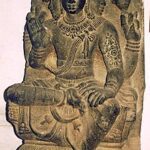 Prajâpatis
In Hindu cosmology, Pulastya is sometimes associated with the creation of various beings and realms. His divine lineage and wisdom position him as a key figure in the unfolding of the universe’s narrative. According to some texts, he played a role in creating the Rakshasas, a race of supernatural beings often depicted as demons. This aspect of his story illustrates the duality of creation, where even those with noble intentions can give rise to chaos.
Pulastya’s connection to the creation of the Rakshasas is particularly relevant in the context of the Ramayana, where Ravana and his kin are central figures. The narrative suggests that Pulastya’s teachings and influence shaped the moral and ethical dilemmas faced by these beings. His role in creation highlights the complexity of existence and the interplay between good and evil in Hindu mythology.
Legends Associated with Pulastya
Several legends and stories are associated with Pulastya, each contributing to his status as a revered sage. One notable legend recounts his encounter with the sage Vishwamitra. In this tale, Vishwamitra sought Pulastya’s wisdom to achieve greater spiritual power. The story reflects the respect that other sages had for Pulastya and the quest for knowledge that defines much of Hindu mythology.
Another famous legend involves Pulastya and the celestial nymphs, or Apsaras. It is said that Pulastya was once approached by these divine beings, who sought his guidance in matters of love and devotion. His response emphasized the importance of discipline and the pursuit of higher knowledge over earthly pleasures. This story illustrates Pulastya’s role as a mentor and guide, reinforcing his position as a spiritual authority.
Pulastya’s Influence on Future Generations
The influence of Pulastya extends beyond his own lifetime, as his teachings and stories have shaped the lives of countless individuals throughout history. His wisdom is often cited in discussions of ethics, morality, and spirituality. Many spiritual leaders and practitioners look to Pulastya as a source of inspiration and guidance in their own journeys.
In contemporary times, Pulastya’s teachings resonate with those seeking a deeper understanding of life and spirituality. His emphasis on meditation, self-discipline, and the pursuit of knowledge continues to be relevant. The stories of Pulastya remind us of the timeless nature of wisdom and the importance of learning from the past to navigate the complexities of the present.
Pulastya in Modern Culture
The legacy of Pulastya is not limited to ancient texts; it has also found a place in modern culture. His character is sometimes depicted in literature, art, and performances that explore Hindu mythology. These representations serve to keep his stories alive and accessible to new generations, ensuring that his wisdom continues to inspire.
Moreover, various spiritual organizations and groups have drawn upon Pulastya’s teachings to promote personal growth and self-improvement. Workshops, seminars, and courses often include his insights on meditation and ethical living. This modern interpretation of Pulastya’s teachings showcases the enduring relevance of his wisdom in today’s world.
The Legacy of Pulastya in Hindu Mythology
Pulastya’s legacy is multifaceted, encompassing his contributions to knowledge, spirituality, and the cosmic order. As a sage, he represents the ideal of wisdom and understanding, guiding others on their spiritual journeys. His role in the creation of beings and realms emphasizes the complexities of existence and the moral dilemmas that arise from it.
Through his stories, Pulastya teaches the importance of seeking knowledge, understanding oneself, and striving for enlightenment. His teachings continue to resonate with individuals seeking deeper meaning in their lives, making him a timeless figure in Hindu mythology. The narratives surrounding Pulastya remind us of the power of wisdom and the significance of spiritual growth in the human experience.
Pulastya’s character embodies the ideals of wisdom, spirituality, and ethical living that are central to Hindu mythology. His stories and teachings provide valuable insights into the complexities of existence and the pursuit of knowledge. As we explore the rich tapestry of Hindu lore, Pulastya stands out as a guiding figure, inspiring generations to seek truth and understanding.