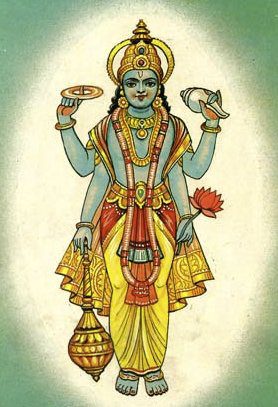
Pulaha is a significant figure in Hindu mythology, often recognized as one of the saptarishis or seven great sages. These sages hold an esteemed position in the Hindu tradition, serving as spiritual guides and embodiments of wisdom. Pulaha, along with the other sages, plays a crucial role in various Hindu texts, particularly the Puranas, which are ancient scriptures containing a wealth of mythological stories and teachings. Understanding Pulaha’s contributions and stories helps illuminate the rich tapestry of Hindu belief systems and cultural practices.
The Origins of Pulaha
The origins of Pulaha can be traced back to the Vedic texts, where he is often mentioned alongside other sages. According to various Puranic texts, Pulaha is said to be the son of the sage Vishrava and a descendant of Brahma, the creator god in Hinduism. This lineage places him in a position of great significance within the cosmological hierarchy of Hindu beliefs. His birth and early life are often depicted as being filled with divine blessings, showcasing his inherent wisdom and spiritual prowess.
 Prisnî
In many narratives, Pulaha is portrayed as a sage who has attained great spiritual enlightenment. He is often depicted meditating in the forest, surrounded by nature and the divine energies of the universe. His character embodies the ideal of renunciation and spiritual discipline, which are highly valued in Hindu philosophy. This emphasis on meditation and inner peace is a recurring theme in the stories of Pulaha, highlighting his commitment to spiritual growth and understanding.
Pulaha in the Puranas
The Puranas are a vital source of information about Pulaha and his role within Hindu mythology. In these texts, Pulaha is often mentioned in the context of various cosmic events and divine interactions. For instance, he is sometimes depicted as a mediator between gods and humans, using his wisdom to guide mortals in their spiritual journeys. His teachings often emphasize the importance of devotion and righteousness, principles that resonate deeply within Hindu philosophy.
One of the notable stories involving Pulaha is related to the creation of the universe. In some versions of the myth, Pulaha, along with other sages, plays a role in the cosmic process of srishti (creation). His insights and guidance are said to have helped shape the world as we know it, demonstrating the profound impact that these sages had on the very fabric of existence. This narrative not only underscores Pulaha’s importance but also highlights the collaborative nature of creation in Hindu cosmology.
 Prajâpatis
Pulaha and His Teachings
Pulaha is often associated with various teachings that promote a harmonious way of living. His wisdom encompasses a wide range of subjects, including ethics, spirituality, and the nature of the universe. Many of his teachings are conveyed through dialogues with other sages and gods, where he shares his insights on the importance of self-discipline and detachment. These principles are foundational in Hindu thought, encouraging individuals to pursue spiritual goals while remaining grounded in the material world.
One of the key aspects of Pulaha’s teachings is the concept of Karma, which refers to the law of cause and effect. He emphasizes that every action has consequences, and thus, individuals should strive to perform good deeds and live a life of integrity. This teaching serves as a moral compass for followers, guiding them to act with compassion and awareness. Through his emphasis on Karma, Pulaha contributes to the broader understanding of moral responsibility within Hinduism.
Pulaha in Modern Context
In contemporary Hindu practice, Pulaha remains a revered figure. Many followers look to his teachings for guidance in their daily lives, particularly in the areas of meditation and ethical conduct. His stories are often recounted in religious gatherings and spiritual discourses, serving as a source of inspiration for those seeking to deepen their understanding of spirituality. The enduring relevance of Pulaha’s teachings highlights the timeless nature of the wisdom found in Hindu mythology.
 Prahlada
Furthermore, Pulaha’s influence extends beyond religious contexts. His character is sometimes invoked in discussions about leadership and moral integrity. In a world that often grapples with ethical dilemmas, the principles embodied by Pulaha offer valuable insights. Many people, regardless of their religious background, can find wisdom in his teachings about selflessness and the importance of contributing positively to society.
Pulaha’s Legacy in Hinduism
The legacy of Pulaha is deeply woven into the fabric of Hindu culture. His name is often invoked in prayers and rituals, and his teachings are studied by those who wish to understand the deeper meanings of life. The reverence for Pulaha extends to various forms of art, literature, and music within Hindu traditions. Many poets and artists have drawn inspiration from his life and teachings, creating works that celebrate his wisdom and spiritual insight.
Moreover, Pulaha is sometimes associated with specific places of worship, where devotees come to pay their respects and seek blessings. These sites often become centers of learning and spiritual practice, where individuals gather to discuss his teachings and explore the broader themes of Hindu philosophy. This ongoing engagement with Pulaha’s legacy demonstrates the dynamic nature of Hinduism, where ancient wisdom continues to resonate with contemporary practitioners.
The Symbolism of Pulaha
In addition to his teachings, Pulaha is rich in symbolism. His character often represents the ideal sage, embodying wisdom, tranquility, and spiritual insight. The serene image of Pulaha meditating in nature serves as a powerful reminder of the importance of inner peace in a chaotic world. His life story illustrates the journey of self-discovery and the pursuit of enlightenment, encouraging individuals to look within themselves for answers.
Pulaha’s association with the natural world also carries significant symbolism. In many cultures, nature is viewed as a source of wisdom and inspiration, and Pulaha’s connection to the forest and the cosmos reinforces this idea. His teachings often draw parallels between the rhythms of nature and the spiritual journey, suggesting that understanding the natural world can lead to greater self-awareness and enlightenment. This connection serves as a reminder for followers to respect and honor the environment, recognizing its integral role in their spiritual lives.
As a revered figure in Hindu mythology, Pulaha’s contributions to spiritual thought and practice remain significant. His teachings continue to inspire and guide individuals on their paths toward enlightenment. By exploring Pulaha’s life and wisdom, we gain valuable insights into the broader themes of Hindu philosophy, emphasizing the importance of ethical conduct, meditation, and connection to the natural world. The legacy of Pulaha serves as a reminder of the enduring relevance of ancient wisdom in contemporary society, encouraging individuals to seek inner peace and understanding in their lives.