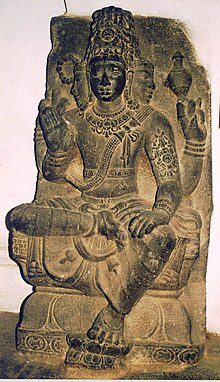
Prajâpatis are significant figures in Hindu mythology, often considered as the lords of creation. They are associated with the creation of living beings and the management of the universe. In the vast tapestry of Hindu cosmology, Prajâpatis hold a unique place, representing not only the act of creation but also the principles of order and balance in the universe. The term “Prajâpati” itself can be translated to mean “lord of creatures” or “lord of all beings.” This article explores the various aspects of Prajâpatis, their roles, and their significance in Hindu mythology.
The Origins of Prajâpatis
The concept of Prajâpatis has its roots in ancient Hindu texts, primarily the Vedas and the Upanishads. According to these texts, the Prajâpatis were created by the supreme god Brahma, who is often referred to as the creator god in Hinduism. Brahma is said to have created the Prajâpatis to oversee the creation and sustenance of all living beings. Each Prajâpati is responsible for a specific aspect of creation, ensuring that the universe remains in harmony.
 Prahlada
There are multiple Prajâpatis mentioned in Hindu scriptures, with Brahma being the most prominent among them. The Mahabharata and the Puranas elaborate on the roles and responsibilities of these deities. They are often depicted as cosmic beings who possess immense power and knowledge. Their origins can be traced back to the cosmic waters, symbolizing the primordial state of existence before creation began.
The Roles of Prajâpatis
Prajâpatis are primarily known for their role in creation. Each Prajâpati is believed to have a specific function in the process of creation, which includes the generation of various forms of life. For instance, one Prajâpati might be responsible for human beings, while another might oversee the creation of animals or plants. This division of labor reflects the complexity of the universe and the interdependence of all living things.
- Creation of Humanity: One of the most important roles of the Prajâpatis is the creation of human beings. They are said to have shaped the first humans from the elements of the earth.
- Guardian of Dharma: The Prajâpatis also serve as guardians of dharma, or cosmic law. They ensure that all beings follow the principles of righteousness and moral order.
- Procreation: They are also associated with the concept of procreation, ensuring that life continues and evolves in accordance with the natural laws of the universe.
The Prajâpatis are also linked to the concept of time and cycles. In Hindu cosmology, the universe undergoes cycles of creation, preservation, and destruction. The Prajâpatis are believed to oversee these cycles, ensuring that the process of life continues in a balanced manner. Their roles extend beyond mere creation; they embody the very principles that govern the universe.
 Pishachas
The Significance of Prajâpatis in Hindu Philosophy
The Prajâpatis play a crucial role in Hindu philosophy, particularly in the understanding of creation and existence. They are often seen as a bridge between the divine and the mortal realms, symbolizing the interconnectedness of all life. The teachings associated with Prajâpatis emphasize the importance of balance and harmony in the universe.
In many ways, the Prajâpatis reflect the fundamental principles of Hinduism. They embody the concepts of karma and reincarnation, which are central to Hindu belief. The actions of the Prajâpatis influence the cycle of life and death, as they oversee the birth and rebirth of souls. This cyclical nature of existence is a vital aspect of Hindu philosophy and is often represented in the teachings of the Bhagavad Gita.
The Various Prajâpatis
There are several Prajâpatis mentioned in Hindu texts, each with their unique characteristics and responsibilities. Among them, Brahma, Daksha, and Vishvakarma are some of the most well-known. Each of these figures represents different aspects of creation and serves distinct purposes in the cosmic order.
 Parvati
Brahma
Brahma is often regarded as the chief Prajâpati and the creator of the universe. He is depicted with four faces, symbolizing his all-seeing nature and his ability to perceive the four Vedas. As the creator, Brahma is responsible for the initial act of creation, forming the universe from the cosmic waters. His role is pivotal in the Hindu pantheon, as he initiates the cycle of creation that is sustained by other deities.
Daksha
Daksha is another important Prajâpati, known for his role in the creation of living beings, particularly human beings. He is often associated with the rituals and sacrifices that are integral to Hindu worship. Daksha’s stories often highlight the importance of obedience and respect towards the divine. His interactions with other deities, especially in the context of his daughter Sati and her marriage to Shiva, illustrate the complexities of divine relationships in Hindu mythology.
Vishvakarma
Vishvakarma is the divine architect and craftsman of the gods. He is responsible for creating the palaces, weapons, and other divine objects used by the gods. Vishvakarma’s creations are often seen as manifestations of divine beauty and perfection. He symbolizes the importance of skill and craftsmanship in the world, emphasizing that creation is not just a divine act but also involves human effort and creativity.
The Worship of Prajâpatis
Worship of the Prajâpatis is an essential aspect of Hindu religious practice. Rituals and ceremonies are often performed to honor these deities, seeking their blessings for creation, fertility, and the continuation of life. Various forms of worship, such as Puja and Yajna, are dedicated to Prajâpatis, acknowledging their role in sustaining the universe.
In many households, rituals are performed to honor Brahma, especially during auspicious occasions like weddings and childbirth. Daksha is also revered in various rituals that emphasize family and social harmony. The act of worship often involves offerings of flowers, fruits, and prayers, acknowledging the vital role these deities play in the cycle of life.
Prajâpatis in Modern Hinduism
In contemporary Hinduism, the significance of Prajâpatis continues to be acknowledged, although the focus may vary among different sects and traditions. While some devotees may emphasize the worship of more widely recognized deities like Vishnu or Shiva, the principles embodied by the Prajâpatis remain integral to Hindu belief systems.
Many modern practitioners draw inspiration from the teachings associated with Prajâpatis, particularly in terms of environmental stewardship and the interconnectedness of all life. The idea that all living beings are created and sustained by these cosmic entities encourages a sense of responsibility towards nature and the environment.
The Symbolism of Prajâpatis
Prajâpatis are rich in symbolism, representing various aspects of life, creation, and the universe. They embody the principles of creativity, responsibility, and balance. The act of creation itself is often seen as a sacred duty, highlighting the importance of respecting all forms of life. In this way, the Prajâpatis serve as reminders of the divine presence in the world and the interconnectedness of all beings.
The symbolism of Prajâpatis can also be interpreted through their association with the natural elements. For instance, the act of creation from the cosmic waters symbolizes the nurturing aspect of the universe. This nurturing quality is essential for the growth and sustenance of all life forms, reflecting the deep connection between the divine and the natural world.
Prajâpatis and the Cycle of Life
The Prajâpatis are intricately linked to the concept of the cycle of life, which includes birth, growth, reproduction, and death. This cycle is fundamental to Hindu beliefs and is often represented through various myths and stories involving the Prajâpatis. They oversee this cycle, ensuring that life continues in a harmonious manner.
The stories of Prajâpatis often illustrate the challenges and triumphs of life, emphasizing the importance of resilience and adaptation. For example, the tales of Daksha and his daughter Sati highlight themes of love, sacrifice, and the complexities of familial relationships. These narratives serve as moral lessons, guiding individuals on how to navigate the challenges of life while honoring the divine.
The Influence of Prajâpatis on Arts and Culture
The influence of Prajâpatis extends beyond religious practices into the realms of arts and culture. Their stories and symbolism have inspired countless works of literature, dance, and visual arts throughout history. In classical Indian dance forms, performances often depict the creation myths involving Prajâpatis, celebrating their role in the cosmic order.
In literature, the tales of Prajâpatis are recounted in various forms, from ancient scriptures to contemporary adaptations. These stories serve not only as religious teachings but also as cultural narratives that reflect the values and beliefs of Hindu society. The representation of Prajâpatis in art often emphasizes their grandeur and divine qualities, making them prominent figures in Hindu iconography.
The Legacy of Prajâpatis
The legacy of Prajâpatis continues to resonate in modern Hindu thought and practice. They are reminders of the divine principles that govern creation and existence, encouraging individuals to reflect on their place in the universe. The teachings associated with Prajâpatis inspire a sense of responsibility towards the environment and all living beings, fostering a deeper understanding of the interconnectedness of life.
As Hinduism evolves and adapts to contemporary challenges, the principles embodied by the Prajâpatis remain relevant. Their stories and teachings serve as a source of wisdom, guiding individuals in their spiritual journeys and interactions with the world around them. The Prajâpatis, as lords of creation, continue to inspire reverence and respect for the natural order and the sacredness of life.