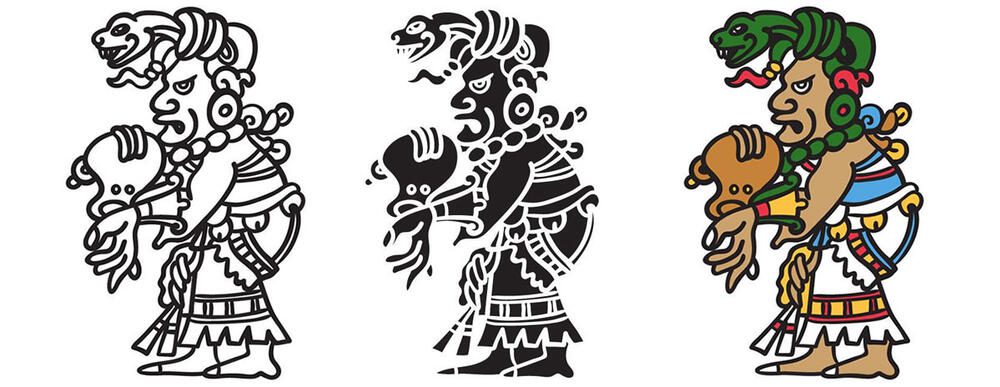
In the rich tapestry of Maya mythology, the figure of Ixchel stands out as a powerful and multifaceted goddess. She is often associated with the moon, love, fertility, and medicine. As a prominent deity in the ancient Maya pantheon, Ixchel holds a significant place in various myths and stories, reflecting the values and beliefs of the Maya civilization. This article delves into the various aspects of Ixchel, exploring her origins, attributes, and the cultural significance she held for the Maya people.
Origins of Ixchel
Ixchel’s origins are deeply rooted in Maya cosmology. She is often depicted as the wife of Itzamná, the supreme god of the Maya pantheon. This relationship symbolizes the balance between the masculine and feminine forces in the universe. Ixchel is sometimes referred to as the Goddess of the Moon, representing the cyclical nature of life and the connection between the heavens and the earth. The lunar cycles were crucial to the agricultural practices of the Maya, as they relied on the moon’s phases for planting and harvesting.
 Chac Uayeb Xoc
In various texts and codices, Ixchel is portrayed as a wise and nurturing figure. She is often depicted with a serpent, which represents her connection to the earth and her role as a healer. The serpent is a powerful symbol in Maya mythology, representing transformation and the ability to shed old skins, much like the changing phases of the moon. Ixchel’s origins also link her to the earth goddess, reinforcing her role as a provider and caretaker of life.
Attributes and Symbols
Ixchel is associated with numerous attributes that highlight her diverse roles in Maya mythology. As a lunar goddess, she embodies the qualities of intuition, emotions, and the subconscious mind. The moon, which she governs, is often seen as a symbol of femininity and fertility. Ixchel’s connection to the moon is further emphasized by her representation as a woman with a crescent moon on her head, symbolizing her dominion over the night sky.
In addition to her lunar associations, Ixchel is also known as the Goddess of Fertility. She is often invoked by women seeking to conceive, and her blessings are sought during childbirth. Ixchel’s nurturing nature is evident in her depictions as a mother, often shown cradling children or surrounded by symbols of fertility such as flowers and fruits. This aspect of her character highlights the importance of motherhood and family in Maya society.
 Hozanek
Key Symbols of Ixchel
- The Moon – Represents her role as the lunar goddess.
- Serpent – Symbolizes healing and transformation.
- Flowers and Fruits – Emblems of fertility and abundance.
- Water – Associated with life and nourishment.
Water is another crucial element associated with Ixchel. In Maya mythology, she is often linked to rivers and rain, which are essential for agriculture. The life-giving properties of water underscore her role as a sustainer of life. In many myths, Ixchel is called upon to provide rain during times of drought, emphasizing her significance in the agricultural cycles of the Maya civilization.
Myths and Stories
The myths surrounding Ixchel are numerous and varied, reflecting her importance in the lives of the ancient Maya. One popular story involves her relationship with Itzamná. According to the legend, Ixchel and Itzamná worked together to create the world. They are often depicted as a complementary pair, with Itzamná representing the sky and Ixchel embodying the earth. This partnership highlights the harmony between male and female energies in the creation of life.
 Can Tzicnal
Another well-known myth features Ixchel as a fierce protector of her children. In this story, Ixchel defends her offspring from malevolent forces that threaten their safety. Her maternal instincts drive her to take on a warrior role, showcasing her strength and determination. This aspect of her character resonates with the Maya people’s reverence for motherhood and the sacrifices made for family.
Notable Myths
- Creation Myth – Ixchel and Itzamná create the world together.
- The Protector – Ixchel defends her children from danger.
- The Healer – Ixchel uses her knowledge of medicine to heal the sick.
In addition to her protective qualities, Ixchel is also revered as a healer. Many myths recount her use of herbal remedies and healing techniques to cure ailments. The ancient Maya held her in high esteem for her knowledge of medicine, and she was often invoked in healing rituals. This aspect of Ixchel highlights the importance of health and well-being in Maya society, where illness was often seen as a spiritual imbalance.
Cultural Significance
Ixchel’s influence extended beyond mythology into the everyday lives of the Maya people. As a goddess of fertility, she played a crucial role in agricultural practices. Farmers would pray to her for a bountiful harvest, seeking her blessings to ensure the growth of crops. This agricultural connection reinforced the importance of nature and the cycles of life in Maya culture.
Her association with childbirth and motherhood made Ixchel a central figure in the lives of women. Rituals and ceremonies dedicated to her were common, especially during pregnancy and childbirth. Women would offer prayers and gifts to Ixchel, seeking her protection and guidance during these significant life events. This practice underscores the respect and reverence the Maya had for women and their roles as life-givers.
Ixchel in Rituals
- Childbirth Rituals – Women sought Ixchel’s blessings during pregnancy.
- Agricultural Ceremonies – Farmers prayed for a successful harvest.
- Healing Rituals – Ixchel was invoked for her healing powers.
The presence of Ixchel in Maya rituals also indicates her role in the spiritual life of the community. Her image was often depicted in temples and shrines, where people would come to pay their respects. The rituals surrounding her worship were elaborate, involving music, dance, and offerings, all aimed at honoring her and seeking her favor.
Artistic Representations
Ixchel has been represented in various forms of Maya art, from pottery to stone carvings. Artists often depicted her with characteristic symbols such as the crescent moon and serpents. These artistic representations served not only as a means of worship but also as a way to convey stories and teachings about her character and significance. The imagery associated with Ixchel reflects the values and beliefs of the Maya, illustrating the deep connection between their art and spirituality.
In addition to traditional forms of art, Ixchel’s influence can also be seen in the modern representations of Maya culture. Contemporary artists often draw inspiration from her image, using it to express themes of femininity, strength, and connection to nature. This ongoing representation of Ixchel highlights her enduring legacy and the continued relevance of Maya mythology in today’s world.
Examples of Artistic Depictions
- Pottery – Often features images of Ixchel with symbols of fertility.
- Stone Carvings – Depict her alongside other deities in ceremonial contexts.
- Textiles – Modern artisans incorporate her symbols into their designs.
The intricate designs and symbols associated with Ixchel serve as a reminder of the rich cultural heritage of the Maya civilization. Each representation carries meaning, reflecting the values, beliefs, and stories that have been passed down through generations. As such, Ixchel continues to be a source of inspiration for artists and scholars alike, demonstrating the timeless nature of Maya mythology.
Legacy of Ixchel
The legacy of Ixchel extends far beyond the ancient Maya civilization. Her stories and attributes have influenced various aspects of culture, spirituality, and art in the region. Today, Ixchel is still celebrated in many communities, particularly among those who identify with Maya heritage. Festivals and ceremonies honoring her continue to be held, preserving the traditions and beliefs of the past.
In modern times, Ixchel has also become a symbol of feminine strength and empowerment. Many women, particularly in indigenous communities, look to her as a representation of resilience and nurturing. The themes of fertility, motherhood, and healing that she embodies resonate with contemporary discussions about women’s roles in society, making her an important figure in both historical and modern contexts.
Modern Celebrations
- Festivals – Celebrations honoring Ixchel are held in various communities.
- Art Exhibitions – Contemporary artists showcase works inspired by her.
- Educational Programs – Efforts to teach about Maya mythology and its relevance today.
Furthermore, Ixchel’s influence can be seen in literature and media, where her character is often explored in the context of women’s stories and empowerment. This resurgence of interest in Ixchel reflects a broader trend of revisiting and honoring indigenous mythologies, recognizing their significance in understanding cultural identities and histories. The goddess’s enduring presence serves as a reminder of the strength and wisdom inherent in Maya mythology and its relevance in contemporary society.
Ixchel, as a central figure in Maya mythology, embodies the complexity and richness of the ancient Maya worldview. Her connections to the moon, fertility, and healing highlight the deep respect the Maya had for nature and the cycles of life. Through her stories, attributes, and cultural significance, Ixchel remains a powerful symbol of feminine strength and resilience, continuing to inspire and resonate with people today.