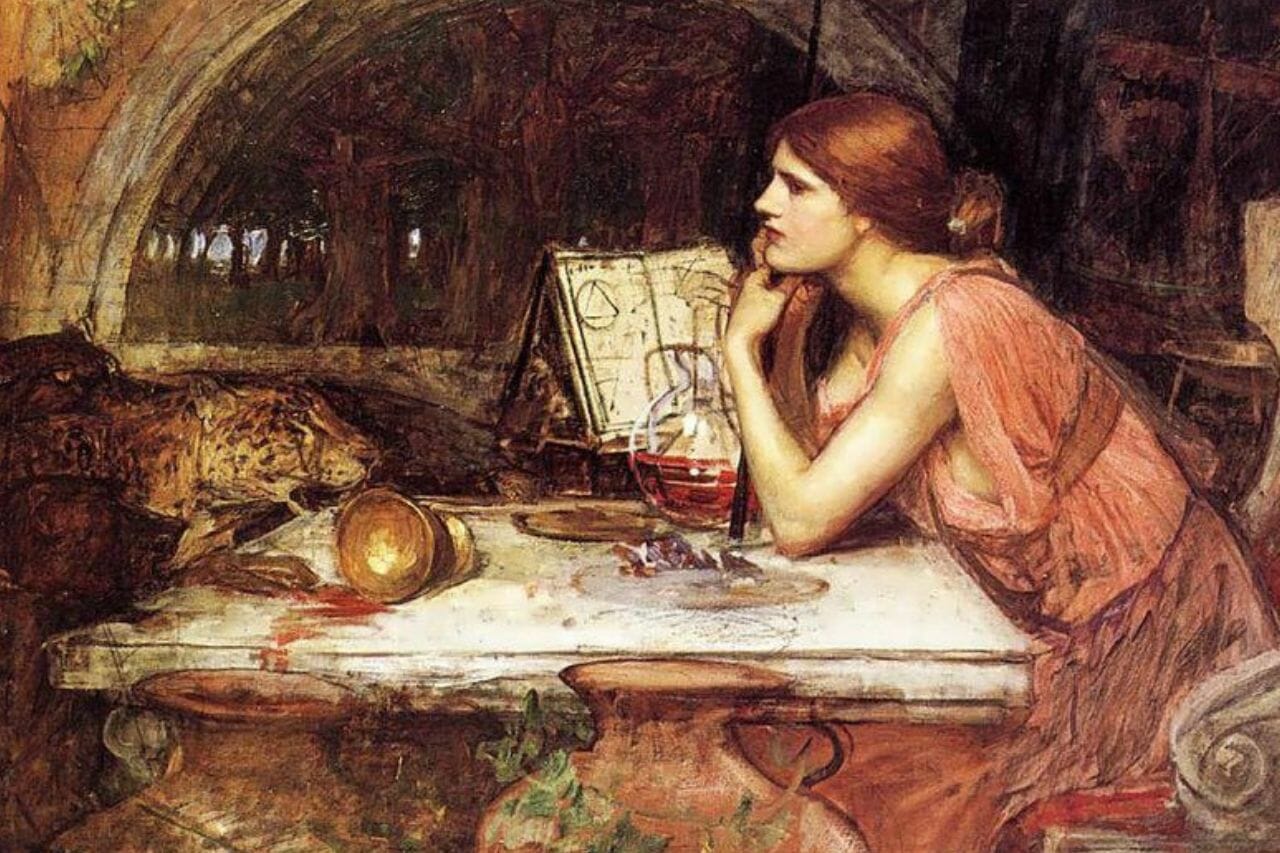
In the realm of Greek mythology, there are countless figures and stories that have captivated the imagination of people for centuries. One of these intriguing figures is Perseis. Often overshadowed by more prominent deities and heroes, Perseis plays a significant role in various myths and legends. Her character is intertwined with themes of power, family, and the natural world. This article will explore the life, significance, and various interpretations of Perseis within the context of Greek mythology.
Who is Perseis?
Perseis is primarily known as a Titaness in Greek mythology. She is the daughter of the primordial deity Oceanus and the Titaness Tethys. This lineage places her among the ancient gods and goddesses who personified natural elements and forces. As a Titaness, Perseis is often associated with the vastness of the ocean and its mysteries. Her name is derived from the Greek word “perse,” which means to destroy or to bring ruin, hinting at her potential power over the sea.
 Perses
In many accounts, Perseis is also depicted as the mother of the famous sorceress Circe and the witch Pasiphaë. Both of her daughters play crucial roles in various myths, particularly in relation to their interactions with heroes like Odysseus. This connection to powerful female figures adds depth to Perseis’s character, suggesting that she is not merely a passive deity but one with significant influence over the lives of mortals and other divine beings.
The Role of Perseis in Greek Myths
While Perseis may not be as widely known as other figures in Greek mythology, her presence is felt in various stories. One of the most notable aspects of her character is her association with magic and the mystical properties of the sea. This connection is especially evident through her daughter Circe, who is renowned for her ability to transform men into animals. Perseis’s influence on Circe can be seen as a representation of the female power that exists within the natural world, especially the ocean.
In addition to her role as a mother, Perseis is sometimes mentioned in the context of the Titanomachy, the great battle between the Titans and the Olympian gods. Although her direct involvement in this conflict is not extensively documented, her lineage as a Titaness places her within the larger narrative of the struggle for power among the gods. This battle ultimately led to the rise of the Olympian deities, which transformed the landscape of Greek mythology.
 Perseus
Perseis and the Sea
The sea has always been a powerful symbol in Greek mythology, representing both beauty and danger. As a Titaness connected to the ocean, Perseis embodies these dualities. The ocean is often depicted as a source of life, providing sustenance and resources, but it can also be a place of chaos and destruction. Perseis’s connection to the sea highlights the importance of this natural element in Greek culture and mythology.
In many myths, the sea is personified by various deities, including Pontus and Nereus. However, Perseis’s role as a Titaness gives her a unique position within this pantheon. She is often seen as a mother figure, nurturing the various sea creatures and elements that inhabit her domain. This maternal aspect adds a layer of complexity to her character, showing that she is not only a powerful force but also a protector of the marine world.
 Perso
PersoPerseis and Her Daughters
- Circe: Known for her enchanting abilities and knowledge of herbs and magic.
- Pasiphaë: Famous for her tragic love story involving the Minotaur and her role as the queen of Crete.
Perseis’s daughters, Circe and Pasiphaë, have their own significant places in Greek mythology. Circe, in particular, is celebrated for her knowledge of magic and her ability to manipulate both mortals and gods. She is often portrayed as a figure of both allure and danger, reflecting the complexities of femininity in ancient narratives. Her ability to transform men into animals can be seen as a metaphor for the power that women hold over men, a theme that resonates throughout many myths.
Pasiphaë, on the other hand, is often remembered for her tragic story involving the Minotaur, a creature born from her unnatural union with a bull. This tale highlights themes of desire, betrayal, and the consequences of defying natural order. The stories of Perseis’s daughters further emphasize her influence and the legacy she leaves behind in the world of mythology.
Perseis in Literature and Art
Perseis may not be a central figure in many ancient texts, but her influence can be seen in various works of literature and art. The works of poets like Hesiod and Homer often reference the Titans and their offspring, providing glimpses into the world of Perseis and her family. In these texts, the ocean and its associated deities play a vital role in shaping the narratives and the journeys of heroes.
In visual art, Perseis is sometimes depicted alongside her daughters or as part of the larger pantheon of Titans. These representations often emphasize her connection to the sea, showcasing her as a majestic figure emerging from the waves. Artists throughout history have drawn inspiration from Greek mythology, and Perseis’s character is no exception. Her imagery often reflects the beauty and danger of the ocean, capturing the essence of her dual nature.
Perseis and Modern Interpretations
In contemporary culture, the stories of Greek mythology continue to inspire new interpretations and adaptations. Perseis, as a character, offers a rich foundation for exploring themes of feminine power, the natural world, and the complexities of family dynamics. Modern authors and creators often reimagine these ancient figures, providing fresh perspectives that resonate with today’s audiences.
Literature, film, and theater have all seen a resurgence of interest in Greek mythology, with Perseis sometimes making appearances in retellings of classic tales. Her role as a mother and her connection to magic and the sea make her a compelling figure for exploring themes of empowerment and the relationship between humanity and nature. As society continues to grapple with issues of gender and power, Perseis’s story remains relevant and thought-provoking.
Perseis may not be as widely recognized as other figures in Greek mythology, but her significance cannot be overlooked. As a Titaness connected to the sea, she embodies the complexities of nature, femininity, and power. Through her daughters, Circe and Pasiphaë, Perseis’s influence extends into many of the most famous myths, showcasing her role as a nurturing yet formidable figure. The stories and themes associated with Perseis continue to inspire and resonate in modern culture, reminding us of the timelessness of these ancient narratives.