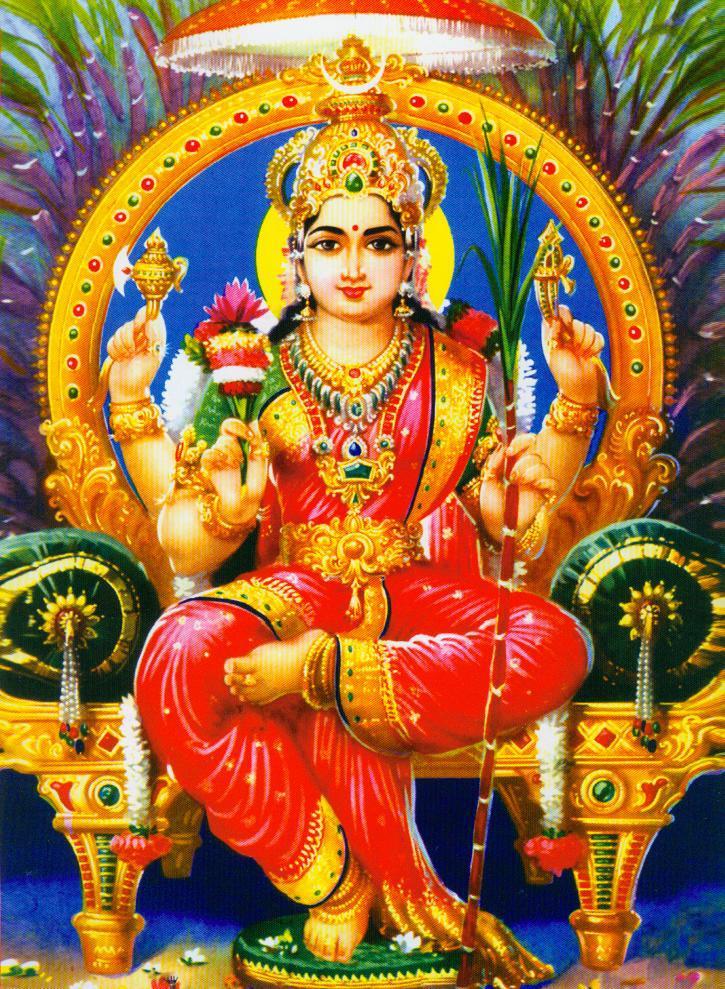
Parvati is a significant figure in Hindu mythology, known as the goddess of love, fertility, and devotion. She is often depicted as the gentle and nurturing aspect of the divine feminine. Parvati is the wife of Lord Shiva, one of the principal deities of Hinduism, and is revered as the mother of Ganesha and Kartikeya. Her story is rich with symbolism and meaning, illustrating the complexities of relationships, the balance of power, and the importance of devotion and love in one’s life. Parvati’s narrative is not just about her divine status; it also reflects the struggles and triumphs of women, making her a relatable figure in the vast tapestry of Hindu lore.
The Birth of Parvati
The origins of Parvati are rooted in ancient texts that tell of her rebirth. She is often considered the reincarnation of Sati, the first wife of Shiva. Sati’s self-immolation, due to her father’s disrespect towards Shiva, led to a deep sorrow in Shiva, causing him to retreat into meditation. After Sati’s death, the universe was in turmoil, and the gods decided that a new goddess was needed to bring balance back to the world. Thus, Parvati was born to the mountain king Himavan and queen Mena, symbolizing a fresh start and the return of love and devotion.
 Parjanya
Parvati’s birth was not just a coincidence; it was a divine plan. The mountains, where she was born, represent stability and strength. Her parents were deeply devoted to the gods and raised Parvati with love and wisdom. They taught her the importance of compassion and kindness, qualities that would later define her character. As she grew up, Parvati became aware of her previous life as Sati and her connection to Shiva. This awareness drove her to seek out Shiva, who was in deep meditation, to win his heart and restore their divine union.
The Quest for Shiva
Parvati’s quest to win Shiva’s heart is one of the most compelling stories in Hindu mythology. Determined to reunite with her beloved, she undertook a rigorous spiritual practice. She began by performing severe penance in the forests, enduring hardships that tested her strength and resolve. Her determination was unwavering, and her commitment to Shiva was evident in every action she took. She faced numerous challenges, including harsh weather, wild animals, and the temptations of the material world, yet she remained focused on her goal.
During her penance, Parvati was often taunted by other beings, including the gods who doubted her ability to attract Shiva. They believed that Shiva, being a hermit and ascetic, would never be swayed by the charms of a mortal woman. However, Parvati’s unwavering devotion and strength of character eventually caught the attention of Shiva. Her efforts showcased the theme of dedication and perseverance, illustrating that true love requires sacrifice and commitment.
 Parashurama
The Union of Parvati and Shiva
After enduring years of penance, Parvati’s devotion finally bore fruit. Impressed by her unwavering dedication, Shiva decided to test her further. He appeared before her in disguise, posing as a wandering ascetic. Shiva attempted to dissuade her by pretending to be indifferent and mocking her efforts. However, Parvati saw through his disguise and recognized him immediately. This moment of recognition symbolized the deep connection between them, transcending the boundaries of the physical realm.
Eventually, Shiva revealed his true form to Parvati and acknowledged her strength and devotion. Their union is celebrated as a powerful bond of love and partnership. It represents the harmonious balance between the masculine and feminine energies in the universe. Parvati’s ability to bring Shiva back from his ascetic lifestyle into the world of love and companionship is a testament to her strength as a goddess. This union is not just a personal love story but also a representation of the cosmic balance between creation and destruction, love and detachment.
The Role of Parvati as a Mother
Parvati’s role as a mother is equally significant in Hindu mythology. She is often depicted as the nurturing figure, embodying maternal love and care. Parvati gave birth to two sons, Ganesha and Kartikeya, each representing different aspects of life. Ganesha, the elephant-headed god, is worshipped as the remover of obstacles and the god of beginnings. His birth story is fascinating, filled with lessons about resilience and the acceptance of change.
 Pandu
PanduKartikeya, on the other hand, is known as the god of war and victory. His birth was a response to the threat posed by the demon Tarakasura, who could only be defeated by a son of Shiva. Parvati’s role in the birth of Kartikeya highlights her strength as a mother who not only nurtures her children but also plays an active role in their destinies. Through her maternal instincts, Parvati ensures the balance of good over evil in the universe, reinforcing the importance of motherhood in the grand narrative of life.
Parvati and Her Avatars
Parvati is not just a singular goddess; she embodies multiple forms and avatars, each representing different aspects of femininity and strength. One of her most popular avatars is Durgā, the warrior goddess who fights against evil forces. In this form, she is depicted riding a lion or tiger, symbolizing power and courage. Durgā is celebrated during the festival of Navaratri, where her various forms are worshipped, showcasing the diverse nature of womanhood.
Another important avatar of Parvati is Kālī, who represents the fierce and destructive aspects of the divine feminine. Kālī is often depicted with a fierce expression, adorned with a necklace of skulls, symbolizing the destruction of ignorance and the liberation of the soul. This form of Parvati highlights the duality of her nature—she can be both nurturing and fierce, embodying the complexities of life.
Parvati in Festivals and Worship
Parvati is celebrated in various festivals across India, with each festival highlighting different aspects of her character. One of the most significant festivals dedicated to her is Navaratri, a nine-night festival that honors the divine feminine. During this festival, devotees engage in fasting, prayers, and dance, celebrating the various forms of Parvati. Each day is dedicated to a different aspect of her, allowing worshippers to connect with her in multiple ways.
Another important celebration is Ganesh Chaturthi, which honors her son Ganesha. This festival involves elaborate decorations, prayers, and the immersion of Ganesha idols in water at the end of the celebrations. The rituals performed during these festivals emphasize the importance of family, community, and devotion, echoing the values that Parvati embodies.
The Symbolism of Parvati
Parvati is rich in symbolism, representing various concepts that resonate with devotees. One of the most prominent symbols associated with her is the lotus flower, which signifies purity, beauty, and spiritual awakening. The lotus grows in muddy waters yet blooms beautifully, symbolizing how one can rise above challenges and negativity through devotion and love.
Additionally, Parvati is often depicted with a mountain, representing strength and stability. The mountains serve as a reminder of her origins and her ability to withstand life’s challenges. Parvati’s imagery often incorporates elements of nature, symbolizing her connection to the earth and her nurturing qualities. Her presence in the natural world signifies the importance of harmony between humanity and nature.
Parvati’s Influence in Modern Culture
The influence of Parvati extends beyond ancient texts and rituals; she continues to inspire contemporary art, literature, and culture. Many artists depict her in various forms, capturing her essence in paintings, sculptures, and dance performances. Her story is often retold in modern literature, where themes of love, devotion, and strength resonate with readers.
In addition, Parvati’s character has become a symbol of women’s empowerment in contemporary society. Her journey from a devoted seeker to a powerful goddess resonates with the struggles women face today. Parvati’s ability to balance her roles as a wife, mother, and goddess serves as an inspiration for many, encouraging them to embrace their strength and individuality.
The Teachings of Parvati
Parvati’s life and teachings offer valuable lessons for individuals seeking guidance in their personal journeys. One of the most important teachings is the value of devotion and commitment. Parvati’s unwavering dedication to Shiva illustrates that love requires effort, patience, and sacrifice. Her story encourages individuals to pursue their passions and relationships with sincerity and determination.
Another significant teaching from Parvati’s narrative is the importance of balance. She embodies the balance between strength and gentleness, illustrating that one does not need to sacrifice their femininity to be powerful. Parvati’s ability to navigate different roles and challenges serves as a reminder that embracing one’s multifaceted nature is essential for personal growth and fulfillment.
Parvati is more than just a goddess in Hindu mythology; she is a symbol of love, strength, and resilience. Her story is a testament to the power of devotion and the importance of nurturing relationships. Through her various avatars and teachings, Parvati continues to inspire countless individuals, reminding them of the divine feminine’s role in the world. Her influence spans across cultures and generations, making her a timeless figure in the realm of mythology.