
Palulop is a fascinating figure in Micronesian mythology, particularly revered among the peoples of the Caroline Islands. This deity embodies various aspects of nature and humanity, serving as a symbol of strength, wisdom, and guidance. Palulop is often associated with the sea, which is vital to the livelihood of many Micronesian communities. The stories surrounding Palulop are rich in detail and cultural significance, offering insights into the values and beliefs of the people who honor this mythological figure.
Origins of Palulop
The origins of Palulop can be traced back to ancient traditions and oral histories passed down through generations. In many accounts, Palulop is depicted as a powerful spirit who emerged from the depths of the ocean. This connection to the sea is not coincidental, as the ocean plays a crucial role in the lives of Micronesian peoples. The waters provide food, transportation, and a means of cultural exchange. Therefore, Palulop’s association with the sea symbolizes not only physical sustenance but also spiritual nourishment.
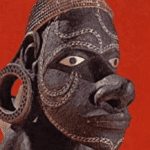 Olifat
As a deity, Palulop is often invoked during significant events such as fishing expeditions, canoe launches, and ceremonial gatherings. The belief is that by honoring Palulop, individuals can secure a bountiful catch and safe passage on the waters. The stories of Palulop also emphasize the importance of respecting the ocean and its resources, reflecting the deep-rooted connection between the people and their environment.
Characteristics of Palulop
Palulop is characterized by a multitude of traits that reflect the complexities of both nature and human experience. One of the most prominent characteristics is wisdom. In many stories, Palulop is portrayed as a knowledgeable figure who guides fishermen and navigators in their journeys. This wisdom is not just practical; it also encompasses moral teachings, reminding people to live in harmony with nature and each other.
- Strength: Palulop embodies physical strength, often depicted as a powerful figure capable of controlling the seas.
- Compassion: Despite this strength, Palulop is also compassionate, helping those in need and providing for the vulnerable.
- Guardian: As a guardian of the ocean, Palulop protects the waters and the creatures within, ensuring balance in the ecosystem.
These characteristics make Palulop a multifaceted deity, revered not only for his power but also for his role as a protector and teacher. This duality is essential in Micronesian mythology, where the natural world is often seen as interconnected with human existence.
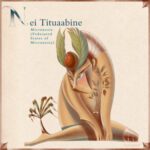 Nei Tituaabine
Legends and Stories
The legends of Palulop are numerous and varied, each offering a unique perspective on his role in the cosmos. One popular tale recounts how Palulop taught the first fishermen the art of fishing. According to this legend, the fishermen were struggling to catch enough fish to feed their families. In their desperation, they prayed to Palulop for help. The deity appeared to them in a dream, revealing the best fishing spots and the proper techniques to use. When they awoke, they followed his guidance and returned with an abundant catch, forever grateful to Palulop for his wisdom.
Another story illustrates Palulop’s strength and protective nature. In this tale, a great storm threatened a small island community. The people were terrified, fearing for their lives and homes. They gathered at the shore, calling out to Palulop for assistance. In response, Palulop calmed the raging seas and cleared the skies, allowing the community to weather the storm. This legend not only highlights Palulop’s power but also emphasizes the importance of community and faith in times of crisis.
Symbolism of Palulop
Palulop is rich in symbolism, representing various aspects of life and nature in Micronesian culture. His connection to the ocean symbolizes the source of life and sustenance, as well as the unpredictability of nature. The sea can be both nurturing and destructive, and Palulop embodies this duality. He serves as a reminder to respect the power of the ocean and to live in balance with it.
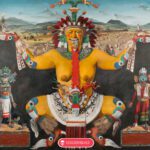 Te-reere
- Fertility: The ocean is often seen as a symbol of fertility, providing not just food but also a means for trade and cultural exchange.
- Protection: Palulop’s role as a guardian reflects the need for protection from the elements and the challenges of life.
- Community: The stories of Palulop often emphasize the importance of community and collective action in overcoming challenges.
Through these symbols, Palulop teaches valuable lessons about the interconnectedness of life, the importance of community, and the need to honor and respect the natural world. These teachings are vital to the survival and well-being of Micronesian cultures.
Rituals and Offerings
To honor Palulop, various rituals and offerings are performed throughout the Caroline Islands. These practices are often deeply spiritual and reflect the community’s reverence for the deity. One common ritual involves offerings of food, particularly fish and fruits, which are presented at the shore or in a designated sacred space. The belief is that by offering these items, the community expresses gratitude and seeks Palulop’s blessings for future endeavors.
Another important ritual is the ceremonial dance, which is performed to celebrate Palulop during significant community events. Dancers often dress in traditional attire, incorporating elements that symbolize the ocean, such as blue and green colors. The dances are accompanied by songs that tell the stories of Palulop, reinforcing the cultural narratives that surround this deity. These performances not only serve as a form of worship but also as a way to pass down stories and traditions to younger generations.
Modern Interpretations of Palulop
In contemporary society, the figure of Palulop continues to hold significance among the people of Micronesia. While modern challenges such as climate change and globalization have altered traditional ways of life, the teachings of Palulop remain relevant. Many communities still turn to the deity for guidance, especially in matters related to the ocean and environmental stewardship. This modern interpretation emphasizes the need for sustainable practices and respect for natural resources.
- Environmental Awareness: Palulop’s teachings encourage communities to protect their marine environments and practice sustainable fishing.
- Cultural Identity: The stories and rituals surrounding Palulop play a crucial role in maintaining cultural identity in a rapidly changing world.
- Community Resilience: The emphasis on community and collective action is vital in addressing modern challenges, fostering unity and strength.
By embracing these modern interpretations, communities can draw upon the wisdom of Palulop to navigate the complexities of contemporary life while remaining rooted in their cultural heritage.
Palulop in Art and Literature
Palulop has also inspired various forms of art and literature in Micronesian cultures. Artists often depict this deity in paintings, sculptures, and carvings, capturing his essence and significance. These artistic representations serve not only as a means of expression but also as a way to educate others about Micronesian mythology and the values associated with Palulop.
Literature, too, has been influenced by the stories of Palulop. Many authors and poets draw upon the rich narratives surrounding this deity to explore themes of nature, community, and spirituality. These works often reflect the deep connection between the people and their environment, highlighting the importance of storytelling in preserving cultural heritage. Through literature, the legacy of Palulop continues to be shared and celebrated, ensuring that future generations remain aware of their rich mythological traditions.
The Role of Education
Education plays a vital role in keeping the stories of Palulop alive. Schools in Micronesia often incorporate local myths and legends into their curricula, teaching students about their cultural heritage. By learning about Palulop and other mythological figures, children gain a deeper understanding of their identity and the values that shape their communities. This educational approach fosters a sense of pride and belonging, encouraging young people to carry forward the teachings of their ancestors.
- Cultural Programs: Many schools and community organizations run programs that focus on traditional stories, including those of Palulop.
- Workshops: Workshops on traditional crafts and storytelling techniques help preserve the cultural practices associated with Palulop.
- Intergenerational Learning: Engaging elders in the education process allows for the sharing of knowledge and experiences related to Palulop.
Through these educational initiatives, the legacy of Palulop continues to thrive, ensuring that the wisdom and teachings of this revered figure remain a vital part of Micronesian culture.
Palulop and Environmental Stewardship
One of the most pressing issues facing Micronesian communities today is environmental degradation, particularly due to climate change and overfishing. In this context, the teachings of Palulop take on new significance. Many community leaders emphasize the need to protect marine ecosystems, drawing upon the wisdom associated with this deity. Palulop’s stories remind people of their responsibility to care for the ocean and its resources, highlighting the interconnectedness of all life.
Community initiatives aimed at environmental conservation often invoke the spirit of Palulop as a guiding force. These initiatives may include clean-up campaigns to remove debris from beaches, educational workshops on sustainable fishing practices, and the establishment of marine protected areas. By aligning these efforts with the teachings of Palulop, communities reinforce the importance of stewardship and collective action in addressing environmental challenges.
Collaborative Efforts
In recent years, various organizations and local governments have collaborated with communities to promote sustainable practices that honor Palulop’s teachings. These collaborative efforts often involve workshops, training sessions, and community forums where individuals can share their experiences and knowledge. By working together, communities can develop strategies to protect their marine environments while also ensuring food security and economic sustainability.
- Community Engagement: Involving community members in decision-making processes fosters a sense of ownership and responsibility towards environmental stewardship.
- Knowledge Sharing: Encouraging the exchange of traditional ecological knowledge can lead to more effective conservation practices.
- Policy Advocacy: Communities can advocate for policies that protect marine environments, drawing upon the teachings of Palulop to emphasize their cultural significance.
Through these collaborative efforts, the legacy of Palulop continues to inspire action and commitment to environmental stewardship, ensuring that future generations can enjoy the beauty and bounty of the ocean.
Palulop remains a significant figure in Micronesian mythology, embodying the values of wisdom, strength, and community. Through stories, rituals, and modern interpretations, this deity continues to influence the lives of many, providing guidance and inspiration. As communities face contemporary challenges, the teachings of Palulop serve as a reminder of the importance of respecting nature and working together for a sustainable future. The legacy of Palulop will undoubtedly endure, enriching the cultural tapestry of Micronesia for generations to come.