
Te-reere is a fascinating figure in Micronesian mythology, representing a complex blend of culture, beliefs, and traditions. This mythological being is not only significant in the stories told across various islands in Micronesia, but also serves as a symbol of the deep connection the people have with their environment and heritage. The tales of Te-reere are often rich in lessons about life, nature, and the consequences of one’s actions. Understanding these stories allows us to appreciate the intricate tapestry of Micronesian culture and the values that have been passed down through generations.
The Origin of Te-reere
The origins of Te-reere are deeply rooted in the mythological narratives of Micronesia. According to various legends, Te-reere is believed to be a spirit that governs over the seas and the winds. This connection to nature highlights the importance of the ocean in Micronesian culture, as the sea is not just a resource but a vital part of their identity. Many stories describe how Te-reere came into existence, often depicting a time when the world was young and the forces of nature were still being formed.
 Nareau
In some versions of the tale, Te-reere was born from the union of the ocean and the sky, symbolizing the harmony between these two essential elements of nature. The stories often emphasize the power and unpredictability of the ocean, reflecting the challenges faced by the islanders who rely on the sea for their livelihoods. Te-reere, as a deity, embodies this duality of creation and destruction, reminding the people of their dependence on nature and the need to respect it.
The Role of Te-reere in Micronesian Culture
Te-reere plays a crucial role in the cultural practices and beliefs of Micronesian societies. The figure is often invoked during rituals and ceremonies, particularly those related to fishing, sailing, and navigation. Islanders believe that by honoring Te-reere, they can ensure safe passage across the waters and a bountiful catch. This reverence reflects a broader theme in Micronesian culture, where the natural world is seen as interconnected with human existence.
Moreover, stories of Te-reere are often used as teaching tools for younger generations. Elders share these tales not only to entertain but also to impart wisdom about the importance of respecting nature and the consequences of one’s actions. For instance, a common theme in the tales is the idea that disrespecting Te-reere or the ocean can lead to disastrous outcomes, such as storms or failed fishing trips. This moral dimension underscores the significance of these myths in guiding behavior and fostering a sense of community responsibility.
 Naniumlap
Te-reere in Storytelling and Oral Traditions
The tales of Te-reere are passed down through oral traditions, which are a vital part of Micronesian culture. Storytelling is not merely a form of entertainment; it serves as a means of preserving history and cultural identity. Through these stories, the values, beliefs, and lessons of the past are kept alive, ensuring that future generations remain connected to their heritage.
Storytellers often use vivid imagery and dramatic narratives to engage their audiences. The character of Te-reere is portrayed with various attributes, including strength, wisdom, and sometimes, a mischievous nature. This multifaceted portrayal allows for a rich tapestry of stories that can vary from one island to another, yet share common themes. For example, in one tale, Te-reere might help a fisherman find his way home during a storm, while in another, the spirit could be depicted as causing trouble for those who do not show proper respect to the ocean.
Te-reere and Environmental Awareness
In recent years, the stories of Te-reere have gained new significance in the context of environmental awareness. As climate change and environmental degradation threaten the very ecosystems that Micronesians depend on, the teachings associated with Te-reere become increasingly relevant. The myths serve as reminders of the need to live in harmony with nature and to be stewards of the environment.
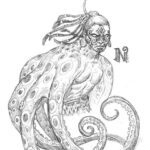 Na Kika
Community leaders and educators have begun to incorporate the stories of Te-reere into environmental education programs. By linking traditional narratives with contemporary environmental issues, they help to instill a sense of responsibility among younger generations. This approach not only honors the cultural significance of Te-reere but also empowers communities to take action in protecting their natural resources.
The Influence of Te-reere Beyond Micronesia
While Te-reere is a central figure in Micronesian mythology, the influence of this character can also be seen beyond the region. Scholars and enthusiasts of mythology often draw parallels between Te-reere and other mythological figures from different cultures. For instance, the themes of nature, respect, and the consequences of human actions resonate with stories from Polynesia, Melanesia, and even Indigenous cultures from other parts of the world.
This cross-cultural exploration highlights the universality of certain myths and the shared human experience in relation to nature. As people from different backgrounds come together to discuss these stories, they foster a greater understanding of the diverse ways in which cultures interpret their relationship with the environment. In this sense, Te-reere serves as a bridge, connecting Micronesian mythology with broader global narratives.
Modern Interpretations of Te-reere
In contemporary times, the figure of Te-reere has inspired various forms of artistic expression. Artists, writers, and musicians have drawn upon the rich narratives surrounding Te-reere to create works that celebrate Micronesian culture. These modern interpretations often blend traditional elements with contemporary styles, making the stories accessible to a wider audience.
For example, visual artists may depict scenes from Te-reere’s tales, using vibrant colors and dynamic compositions to capture the essence of the stories. Similarly, musicians might compose songs that reflect the themes of the myths, weaving traditional melodies with modern rhythms. These creative endeavors not only honor the legacy of Te-reere but also contribute to the ongoing evolution of Micronesian cultural expression.
The Challenges of Preserving Te-reere’s Legacy
Despite the rich cultural significance of Te-reere, there are challenges associated with preserving this legacy. Globalization, urbanization, and the influence of modern technology have led to a decline in traditional storytelling practices. Many younger individuals may not be as familiar with the stories of Te-reere as previous generations, which raises concerns about the future of these important narratives.
To combat this decline, various initiatives have emerged aimed at revitalizing interest in Micronesian mythology. Community organizations, schools, and cultural centers are working to promote traditional storytelling through workshops, festivals, and educational programs. These efforts seek to engage young people in the stories of Te-reere and other mythological figures, fostering a sense of pride in their cultural heritage.
Te-reere in Literature and Academia
The figure of Te-reere has also garnered attention in the fields of literature and academia. Scholars have analyzed the stories surrounding Te-reere to understand their significance within the broader context of Micronesian mythology. This academic interest has led to a wealth of research that explores the themes, symbols, and cultural meanings embedded in the tales.
Literary works that feature Te-reere or draw inspiration from Micronesian mythology have emerged, offering new interpretations of these ancient stories. Authors often seek to bridge the gap between traditional narratives and contemporary issues, making the tales relevant to modern audiences. Through literature, the legacy of Te-reere continues to evolve, ensuring that the spirit of this mythological figure remains alive in the collective consciousness.
Te-reere and Community Identity
The stories of Te-reere are integral to the formation of community identity in Micronesia. They serve as a means of connecting individuals to their shared history and cultural heritage. The narratives foster a sense of belonging, reminding community members of their roots and the values that define their way of life.
In many Micronesian communities, gatherings centered around storytelling are common, where people come together to share tales of Te-reere and other mythological figures. These events not only strengthen social bonds but also provide a platform for the exchange of knowledge and experiences. The communal aspect of storytelling reinforces the idea that the tales of Te-reere are not just individual stories but collective heritage that belongs to everyone.
Conclusion: The Enduring Legacy of Te-reere
The legacy of Te-reere endures as a vital component of Micronesian mythology and culture. As communities continue to honor and celebrate this figure through storytelling, rituals, and artistic expression, the teachings and values associated with Te-reere remain relevant in today’s world. The stories serve as a reminder of the importance of respecting nature, understanding the consequences of our actions, and preserving cultural heritage for future generations.