
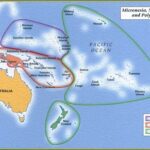
Nei Tituaabine is a significant figure in Micronesian mythology, specifically revered in the cultural narratives of the Caroline Islands. This mythical character is often associated with themes of creation, nature, and the spiritual world. Her stories highlight the deep connections that the Micronesian people have with their environment, illustrating how myths serve as a means of understanding the world around them. The tales of Nei Tituaabine often revolve around her interactions with other deities, the creation of the islands, and the relationship between humanity and the divine.
The Origins of Nei Tituaabine
The origins of Nei Tituaabine are steeped in mystery and are often recounted through oral traditions. According to various Micronesian legends, she is said to have emerged from the depths of the ocean, embodying the spirit of the sea and the land. Her presence signifies the balance between nature and humanity, making her a central figure in many creation myths. The stories vary across different islands, but they all share a common theme of her being a nurturing force, responsible for the fertility of the land and the abundance of resources.
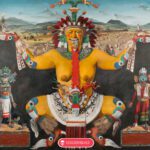 Te-reere
In some accounts, Nei Tituaabine is described as the daughter of the sea god, symbolizing her deep connection to water and its life-giving properties. This lineage is significant as it places her in a position of power and reverence among other deities. Her role as a protector of the islands highlights the importance of water and fertility in Micronesian culture. The lush landscapes and vibrant marine life are often attributed to her blessings, making her a beloved figure among the people.
Nei Tituaabine plays a crucial role in various creation myths across the Caroline Islands. One popular narrative describes how she used her powers to shape the islands from the ocean floor. As she danced and sang, the waters receded, revealing land that would become home to her people. This act of creation is celebrated in many traditional ceremonies, where the islanders pay homage to her for the land they inhabit. The stories often emphasize the idea that the islands are not just physical spaces, but sacred grounds filled with spiritual significance.
 Nareau
In addition to creating land, Nei Tituaabine is also credited with populating the islands with flora and fauna. The lush vegetation and diverse wildlife are seen as gifts from her, reflecting her role as a nurturer and caretaker. This aspect of her mythology reinforces the connection between the Micronesian people and their environment, highlighting the importance of respecting and preserving nature. The tales often serve as reminders of the delicate balance that exists within ecosystems and the need for sustainable practices.
The Symbolism of Nei Tituaabine
Nei Tituaabine is rich in symbolism, representing various elements that are vital to Micronesian culture. One of the most prominent symbols associated with her is the ocean, which signifies both life and mystery. The ocean is viewed as a source of sustenance, providing fish and other resources essential for survival. At the same time, it is a realm of the unknown, filled with dangers and challenges. Nei Tituaabine embodies this duality, reminding her followers of the importance of respect and caution when engaging with the sea.
Another significant symbol linked to Nei Tituaabine is the earth. As a figure responsible for the creation of land, she represents the nurturing aspects of nature. The soil, plants, and animals are seen as extensions of her being, emphasizing the interconnectedness of all life. This symbolism fosters a sense of responsibility among the Micronesian people, encouraging them to care for their environment and honor the gifts that Nei Tituaabine has bestowed upon them. Through rituals and offerings, the islanders express their gratitude and commitment to preserving the land.
 Naniumlap
Nei Tituaabine and the Spiritual World
In Micronesian mythology, Nei Tituaabine is not only a creator but also a bridge between the physical and spiritual worlds. Her stories often include encounters with other deities and spirits, illustrating her role as a mediator. These interactions highlight the belief that the spiritual realm is intertwined with daily life, influencing events and circumstances. The islanders view Nei Tituaabine as a guiding force, providing wisdom and protection to those who seek her favor.
Rituals and ceremonies dedicated to Nei Tituaabine often involve offerings and prayers, aimed at seeking her blessings. These practices serve as a way for the community to connect with the divine and express their reverence. The act of honoring Nei Tituaabine is seen as essential for maintaining harmony within the community and the natural world. By acknowledging her presence, the islanders reinforce their cultural identity and strengthen their bonds with one another.
Modern Interpretations of Nei Tituaabine
As Micronesian cultures continue to evolve, the figure of Nei Tituaabine has taken on new meanings. In contemporary society, she is often viewed as a symbol of environmental stewardship. Many islanders recognize the importance of protecting their natural resources and preserving their cultural heritage. The stories of Nei Tituaabine serve as a reminder of the deep connection between humanity and nature, encouraging modern generations to adopt sustainable practices.
Additionally, Nei Tituaabine has become a source of inspiration for artists, writers, and educators. Her narratives are often incorporated into various forms of art, reflecting the rich cultural heritage of the Caroline Islands. Through storytelling and creative expression, the legends of Nei Tituaabine continue to resonate with people, fostering a sense of pride and identity. This modern reinterpretation ensures that her legacy endures, reminding the world of the wisdom and teachings embedded in Micronesian mythology.
The Legacy of Nei Tituaabine
The legacy of Nei Tituaabine is profound, influencing not only the cultural practices of the Micronesian people but also their understanding of the world. Her stories are passed down through generations, serving as a vital link to the past. These narratives encapsulate the values, beliefs, and traditions that define Micronesian identity, making them essential for cultural preservation. As long as her tales are told, the spirit of Nei Tituaabine will continue to live on.
Furthermore, Nei Tituaabine’s influence extends beyond mythology, impacting the way people view their relationship with nature. In an era of environmental challenges, her teachings about respect, balance, and stewardship are more relevant than ever. The stories of her connection to the land and sea serve as a call to action for individuals and communities to prioritize sustainability and conservation. By honoring Nei Tituaabine, the Micronesian people reaffirm their commitment to protecting their environment for future generations.
Celebrations and Festivals
In many Micronesian communities, celebrations and festivals are held in honor of Nei Tituaabine. These events often include traditional dances, songs, and rituals that reflect the rich cultural heritage of the islands. During these gatherings, the community comes together to express their gratitude for the blessings bestowed upon them by Nei Tituaabine. The atmosphere is filled with joy, as people celebrate their connection to the land and their shared identity.
Festivals dedicated to Nei Tituaabine often feature storytelling sessions, where elders recount the legends and myths associated with her. These narratives serve as a means of educating younger generations about their cultural heritage and the importance of preserving their traditions. The act of storytelling is not only a way to entertain but also a powerful tool for passing down knowledge and values. Through these festivals, the legacy of Nei Tituaabine is kept alive, ensuring that her influence continues to resonate within the community.
Nei Tituaabine in Literature and Art
Nei Tituaabine has also found her place in literature and art, inspiring various creative works that explore her significance in Micronesian culture. Writers and artists draw from her stories to create pieces that reflect the beauty and complexity of the natural world. Through poetry, prose, and visual art, the essence of Nei Tituaabine is captured, allowing her to transcend time and continue to inspire new generations.
Artworks depicting Nei Tituaabine often showcase her connection to the sea and land, highlighting the vibrant ecosystems of the Caroline Islands. These representations serve as a reminder of the importance of environmental conservation and the need to honor the gifts of nature. By integrating her image into contemporary art, artists not only celebrate her legacy but also raise awareness about the challenges facing the environment today. This fusion of tradition and modernity ensures that the teachings of Nei Tituaabine remain relevant in a changing world.
The Influence of Nei Tituaabine on Community Identity
Nei Tituaabine plays a vital role in shaping the identity of Micronesian communities. Her stories and teachings foster a sense of belonging and pride among the islanders. By connecting their cultural heritage to the land and sea, the people reinforce their ties to their ancestors and the environment. This sense of identity is crucial for maintaining cultural continuity, especially in a rapidly changing world.
Moreover, the influence of Nei Tituaabine extends beyond individual identity; it strengthens community bonds. The shared narratives and traditions create a collective memory that unites the people, fostering a sense of solidarity and cooperation. Through communal rituals and celebrations, the islanders come together to honor their shared heritage, reinforcing their commitment to preserving their culture for future generations. This collective identity is essential for the survival of Micronesian traditions and the continued reverence for Nei Tituaabine.
Challenges to the Preservation of Nei Tituaabine’s Legacy
Despite the enduring legacy of Nei Tituaabine, challenges remain in preserving her stories and the cultural practices associated with her. Modernization and globalization have led to shifts in lifestyle and values, often resulting in a decline in traditional practices. As younger generations become more influenced by external cultures, there is a risk that the rich narratives of Nei Tituaabine may fade from memory. This underscores the importance of proactive efforts to keep her legacy alive.
Community leaders and cultural advocates are working tirelessly to combat these challenges by promoting cultural education and awareness. Initiatives aimed at revitalizing traditional practices, such as storytelling workshops and art programs, are crucial for ensuring that the stories of Nei Tituaabine are passed down to future generations. By engaging the youth and encouraging them to take pride in their heritage, communities can safeguard the teachings and values embodied in the myths of Nei Tituaabine.
Conclusion: The Enduring Spirit of Nei Tituaabine
The spirit of Nei Tituaabine endures through the stories, rituals, and cultural practices of the Micronesian people. As a figure of creation, nurturing, and spiritual connection, she continues to inspire and guide the islanders in their relationship with nature and each other. Her legacy is a testament to the resilience of Micronesian culture, reminding us of the importance of honoring our roots and preserving the wisdom of our ancestors.
Through celebrations, artistic expressions, and community efforts, the tales of Nei Tituaabine will continue to thrive, ensuring that her influence remains a vital part of Micronesian identity. As the world faces new challenges, the teachings of Nei Tituaabine serve as a beacon of hope, urging us to respect and protect the natural world and the rich cultural heritage that shapes our understanding of it.