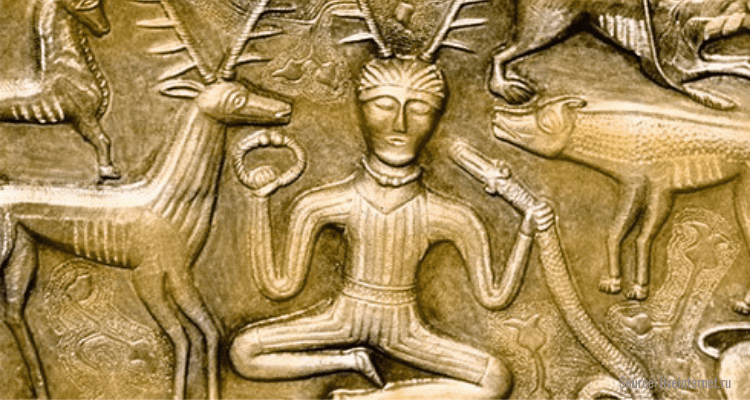
Brittonic mythology is a fascinating and rich tapestry of stories, legends, and beliefs that have been passed down through generations. This mythology primarily originates from the Celtic peoples of Britain, particularly the ancient Britons. The tales often revolve around heroic figures, mystical creatures, and the deep connection between humans and nature. The Brittonic myths provide insight into the values, traditions, and worldviews of the people who lived in Britain long before the influence of Roman culture. These stories are not just relics of the past; they continue to inspire literature, art, and popular culture today.
Origins of Brittonic Mythology
The origins of Brittonic mythology can be traced back to the Celtic tribes that inhabited the British Isles. These tribes had their own distinct cultures, languages, and beliefs. As these tribes interacted with one another, they began to share stories and legends, creating a rich oral tradition. The Celtic pantheon included various deities, each representing different aspects of life and nature. These gods and goddesses were often associated with elements such as water, earth, and sky, reflecting the deep reverence the Celts had for the natural world.
 Merlin
One of the most significant sources of Brittonic mythology is the Welsh Mabinogion, a collection of tales that date back to the 12th century. These stories were transcribed from oral traditions and provide a glimpse into the beliefs and values of the ancient Britons. The Mabinogion includes tales of heroes, gods, and mythical creatures, highlighting the importance of honor, bravery, and the supernatural in Brittonic culture. The influence of these stories can be seen in later literature and art, showcasing the enduring legacy of Brittonic mythology.
Key Figures in Brittonic Mythology
One of the most prominent figures in Brittonic mythology is King Arthur, a legendary hero often associated with chivalry and bravery. The stories of Arthur and his knights of the Round Table have captivated audiences for centuries. These tales, which include the quest for the Holy Grail and battles against various foes, emphasize themes of honor, loyalty, and the struggle between good and evil. Arthur’s legend has been adapted into countless books, films, and plays, making him one of the most recognized figures in Western literature.
Another significant character is Merlin, the wise wizard who serves as Arthur’s advisor. Merlin is often depicted as a figure of great knowledge and magical ability. His stories often involve prophecies and the manipulation of fate, illustrating the belief in the interconnectedness of time and destiny in Brittonic thought. The relationship between Arthur and Merlin is emblematic of the mentor-student dynamic that is prevalent in many mythologies, highlighting the importance of wisdom and guidance in leadership.
 Condatis
Other Notable Characters
- Pwyll: A prince of Dyfed who embarks on a series of adventures that test his courage and honor.
- Bran the Blessed: A giant and king who is associated with the Otherworld and has connections to themes of sacrifice and fate.
- Arawn: The king of the Otherworld, who embodies the mysterious and often dark aspects of Brittonic mythology.
These characters, among others, play significant roles in the various tales that make up Brittonic mythology. Their adventures and challenges reflect the values and beliefs of the society from which they emerged, providing a lens through which we can understand the ancient Britons.
Mythical Creatures in Brittonic Lore
Mythical creatures are a central aspect of Brittonic mythology, often serving as symbols of various natural forces or moral lessons. One of the most famous creatures is the pooka, a shape-shifting spirit that can take on various forms, including that of a horse or a goat. The pooka is known for its mischievous nature and can either help or hinder those who encounter it. This duality reflects the belief in the unpredictable forces of nature and the importance of respect when dealing with the supernatural.
 Cocidius
Another notable creature is the selkie, a being that can transform from a seal into a human. Selkies are often depicted in tragic tales of love and loss, emphasizing themes of longing and the connection between humans and the sea. These stories highlight the belief that the natural world is inhabited by beings that exist beyond human understanding, reinforcing the idea that there are mysteries in nature that should be revered.
List of Mythical Creatures
- Faeries: Enigmatic beings often associated with nature and magic.
- Dragons: Powerful creatures symbolizing strength and protection.
- Giants: Representing the primal forces of nature and often involved in creation myths.
The presence of these mythical creatures in Brittonic mythology serves to illustrate the beliefs and fears of the ancient Britons. These beings often embody the mysteries of life and the natural world, reflecting the society’s values and worldview.
Significant Themes in Brittonic Myths
One of the most significant themes in Brittonic mythology is the concept of the Otherworld. This mystical realm is often depicted as a place of beauty and wonder, inhabited by gods, spirits, and mythical creatures. The Otherworld is not just a destination; it represents a different state of existence where the rules of reality do not apply. Characters in Brittonic myths often embark on journeys to the Otherworld, seeking knowledge, treasure, or a deeper understanding of their purpose. These journeys symbolize the quest for self-discovery and the exploration of the unknown.
Another important theme is the idea of sacrifice. Many myths involve characters who must make significant sacrifices for the greater good. This could be in the form of personal loss, such as a hero giving up their life to save their people, or more abstract sacrifices, like giving up power for the sake of harmony. These stories emphasize the value of selflessness and the belief that individual actions can have far-reaching consequences for the community. The theme of sacrifice resonates deeply within the Brittonic worldview, highlighting the interconnectedness of all beings.
List of Themes
- Heroism: The importance of bravery and honor in overcoming challenges.
- Transformation: The ability to change, both physically and spiritually.
- Nature: The deep connection and respect for the natural world.
These themes are not only prevalent in the myths themselves but also reflect the societal values of the ancient Britons. They provide insight into how these people understood their world and their place within it.
The Influence of Roman Culture
The arrival of the Romans in Britain in the first century AD had a profound impact on Brittonic mythology. The Romans brought their own gods, stories, and cultural practices, leading to a blending of traditions. This syncretism resulted in the adaptation of certain Brittonic deities into the Roman pantheon, creating new myths that incorporated elements from both cultures. For example, the goddess Brigid, originally a Celtic deity associated with healing and poetry, was integrated into Roman practices, highlighting the fluid nature of mythology and belief systems.
Additionally, the Roman emphasis on historical documentation led to the preservation of certain Brittonic myths that might have otherwise been lost. Roman writers, such as Tacitus and Julius Caesar, documented the customs and beliefs of the Britons, providing valuable insight into the mythology of the time. This documentation helped to ensure that the stories and traditions of the ancient Britons would not be completely forgotten, even as Roman influence spread throughout the region.
Impact on Literature and Art
- Literature: The blending of Roman and Brittonic myths influenced later writers, such as Geoffrey of Monmouth, who popularized the Arthurian legends.
- Art: Artistic representations of Brittonic myths often reflect the merging of cultures, showcasing the beauty of both traditions.
- Folklore: Many Brittonic myths have been preserved in folklore, influencing storytelling traditions across generations.
The interaction between Roman culture and Brittonic mythology resulted in a rich legacy that continues to resonate in modern literature and art. The enduring appeal of these stories speaks to the universal themes they explore and their ability to adapt to changing cultural landscapes.
Modern Interpretations of Brittonic Mythology
In contemporary society, Brittonic mythology continues to inspire writers, artists, and filmmakers. The themes and characters from these ancient stories have found new life in various forms of media. For instance, the resurgence of interest in fantasy literature has led to a renewed exploration of mythological themes, with authors drawing on Brittonic tales to create rich, immersive worlds. Works such as “The Once and Future King” by T.H. White and “The Mists of Avalon” by Marion Zimmer Bradley have reinterpreted the Arthurian legends, making them accessible to modern audiences.
Moreover, films and television shows have also embraced Brittonic mythology. Productions like “Merlin” and “The Last Kingdom” showcase the enduring appeal of these stories, bringing them to life for a new generation. These adaptations often emphasize the hero’s journey, the struggle against evil, and the importance of friendship and loyalty, themes that resonate across cultures and time periods.
Influence on Popular Culture
- Video Games: Many video games incorporate elements of Brittonic mythology, allowing players to engage with these stories interactively.
- Graphic Novels: The visual medium has provided a platform for retelling mythological tales, making them accessible to a wider audience.
- Music: Artists often draw inspiration from mythological themes, infusing their work with the magic and mystery of Brittonic lore.
These modern interpretations highlight the timelessness of Brittonic mythology and its ability to adapt to contemporary themes and issues. The stories continue to capture the imagination, serving as a bridge between the past and the present.
The Role of Mythology in Society
Mythology plays a crucial role in shaping cultural identity and community values. In Brittonic culture, myths served not only as entertainment but also as a means of teaching important lessons and preserving history. The tales often conveyed moral values, such as the importance of honor, bravery, and respect for nature. These lessons were integral to the social fabric of the community, guiding behavior and fostering a sense of belonging.
Furthermore, mythology provided a way for individuals to connect with their heritage. The stories of ancestors, heroes, and deities offered a sense of continuity and identity, helping people understand their place in the world. In times of hardship or uncertainty, these myths provided comfort and hope, reminding individuals of their shared history and the strength of their community.
Functions of Mythology
- Education: Myths served as a tool for teaching values and ethics to younger generations.
- Entertainment: The storytelling tradition provided enjoyment and a means of social gathering.
- Spiritual Connection: Myths helped individuals connect with the divine and the natural world.
The multifaceted role of mythology in society underscores its significance in shaping cultural narratives and fostering a sense of belonging among individuals. Brittonic mythology, with its rich tapestry of stories, continues to resonate with people today, offering timeless lessons and a connection to the past.
Preservation of Brittonic Mythology
As society evolves, the preservation of Brittonic mythology becomes increasingly important. Efforts to document and share these ancient stories ensure that they are not lost to time. Scholars and enthusiasts alike work to collect oral traditions, transcribe texts, and promote awareness of Brittonic myths through various mediums. This preservation effort is vital for maintaining cultural heritage and fostering appreciation for the rich history of the Brittonic peoples.
In recent years, there has been a growing interest in revitalizing traditional storytelling practices. Workshops, festivals, and community events celebrate Brittonic mythology, bringing people together to share stories and explore their cultural roots. These gatherings not only promote understanding and appreciation of the myths but also encourage intergenerational connections, allowing younger generations to engage with their heritage.
Methods of Preservation
- Academic Research: Scholars study ancient texts and oral traditions to document and analyze Brittonic myths.
- Community Engagement: Local groups organize events and storytelling sessions to keep the myths alive.
- Digital Archiving: Online platforms and databases preserve and share Brittonic mythology with a global audience.
The ongoing efforts to preserve Brittonic mythology highlight the importance of cultural heritage in a rapidly changing world. By keeping these stories alive, we ensure that future generations can learn from and appreciate the wisdom and creativity of their ancestors.