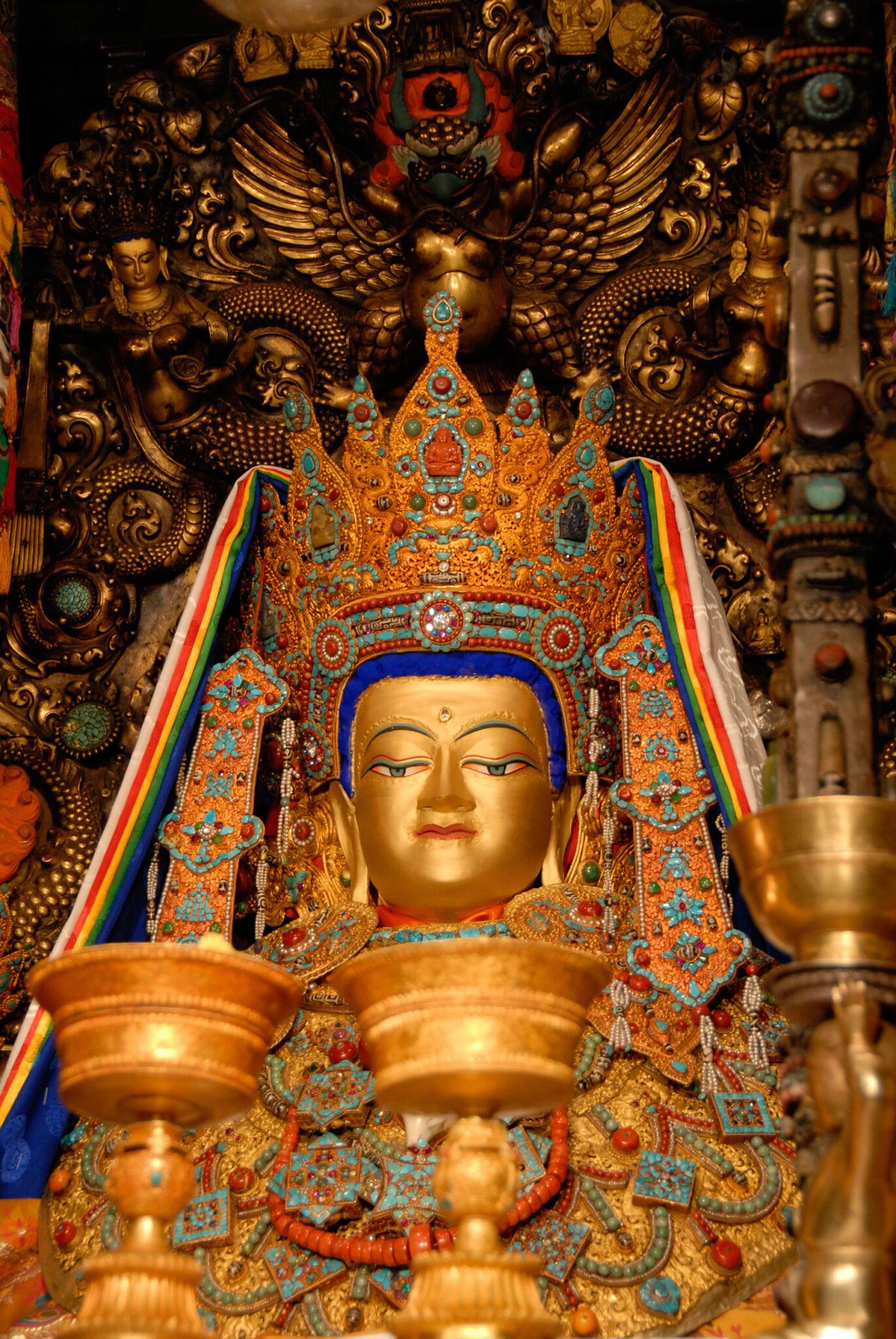
Jowo Rinpoche is one of the most revered figures in Buddhist mythology. This statue of the Buddha is located in the Jokhang Temple in Lhasa, Tibet. The statue is not just an artistic representation but holds immense spiritual significance for many followers of Buddhism. Jowo Rinpoche is believed to be one of the most important images of the Buddha in the Tibetan tradition. The name “Jowo” translates to “Lord,” indicating its revered status. The statue is also known for its rich history, intricate craftsmanship, and the profound impact it has had on Tibetan culture.
The History of Jowo Rinpoche
The origins of Jowo Rinpoche can be traced back to the 7th century. It is said that the statue was brought to Tibet by the Tibetan king, Songtsen Gampo. He was instrumental in the introduction of Buddhism to Tibet and is often credited with the establishment of the religion in the region. According to legends, Songtsen Gampo commissioned the statue as a gift for his Chinese wife, Princess Wencheng. This act symbolized the union of Tibetan and Chinese cultures through the medium of Buddhism.
 Jizo
JizoAs time passed, Jowo Rinpoche became a central figure in Tibetan Buddhism. Its presence in the Jokhang Temple has made the temple one of the most important pilgrimage sites for Buddhists. People from all over Tibet and beyond come to pay their respects to the statue. The history of Jowo Rinpoche is not just about its physical existence but also about its role in the spiritual life of the Tibetan people. It has witnessed many historical events, including invasions and political changes, yet it remains a symbol of resilience and faith.
The Artistic Significance of Jowo Rinpoche
The artistic craftsmanship of Jowo Rinpoche is remarkable. The statue is made of gold and other precious materials, and it is adorned with beautiful jewels. It stands about 1.5 meters tall, making it an impressive sight for anyone who visits the Jokhang Temple. The statue depicts the Buddha Shakyamuni in a seated position, which is a common representation in Buddhist art. The intricate details of the statue, including the facial expressions and the posture, convey a sense of serenity and wisdom.
 Jikoku-ten
Moreover, Jowo Rinpoche is not just an artistic creation; it embodies the spiritual essence of Buddhism. The statue serves as a reminder of the teachings of the Buddha and the path to enlightenment. Many artists and craftsmen have contributed to the statue over the centuries, and their dedication is evident in every detail. The use of gold and jewels not only enhances its beauty but also symbolizes the value and importance of the teachings it represents.
The Spiritual Importance of Jowo Rinpoche
For many Tibetan Buddhists, Jowo Rinpoche is more than just a statue; it is a spiritual beacon. The statue is believed to possess the power to grant blessings and fulfill wishes. Pilgrims often come to the Jokhang Temple to make offerings and pray in front of Jowo Rinpoche. The act of prostrating before the statue is seen as a way to show respect and devotion. Many believe that doing so can lead to spiritual growth and enlightenment.
In addition to personal devotion, Jowo Rinpoche plays a significant role in various Buddhist rituals and ceremonies. Monks and practitioners often gather at the Jokhang Temple to perform prayers and rituals in front of the statue. These ceremonies are designed to invoke blessings and peace for the community. The presence of Jowo Rinpoche adds a profound layer of spirituality to these gatherings, making them more meaningful for the participants.
 Jigoku
Legends and Myths Surrounding Jowo Rinpoche
Like many figures in Buddhist mythology, Jowo Rinpoche is surrounded by numerous legends and myths. One of the most famous stories is about how the statue was hidden during the invasion of Tibet. According to the legend, when the Chinese army approached, the statue was concealed to protect it from destruction. It was said that the statue was so powerful that it could not be harmed by external forces. This story emphasizes the belief in the protective qualities of Jowo Rinpoche.
Another popular myth is related to the wishes of the devotees. It is believed that anyone who prays sincerely in front of Jowo Rinpoche will have their wishes granted. This belief has attracted countless pilgrims over the years, each hoping for a miracle or a blessing. The stories of fulfilled wishes have become an integral part of the lore surrounding Jowo Rinpoche, further enhancing its spiritual significance in the eyes of the believers.
The Role of Jowo Rinpoche in Tibetan Culture
Jowo Rinpoche holds a central place in Tibetan culture. The statue is not only a religious symbol but also a representation of Tibetan identity. The presence of Jowo Rinpoche in the Jokhang Temple has made the temple a cultural hub for Tibetans. Festivals and celebrations often revolve around the statue, drawing large crowds of people. The statue serves as a focal point for community gatherings and cultural events, reinforcing the importance of Buddhism in everyday life.
Moreover, Jowo Rinpoche is often depicted in various forms of Tibetan art and literature. Artists and writers draw inspiration from the statue, creating works that reflect its significance. The teachings of the Buddha, as represented by Jowo Rinpoche, permeate various aspects of Tibetan culture, from music to dance to storytelling. This connection to Jowo Rinpoche highlights the deep intertwining of religion and culture in Tibetan society.
Modern-Day Relevance of Jowo Rinpoche
In contemporary times, Jowo Rinpoche continues to be a source of inspiration and devotion for many. Despite the challenges faced by Tibetan Buddhism, including political tensions and cultural suppression, the significance of Jowo Rinpoche remains strong. Many Tibetan Buddhists, both in Tibet and in exile, uphold the traditions associated with the statue. The Jokhang Temple remains a vital center for spiritual practice and community life.
Furthermore, Jowo Rinpoche has also gained international recognition. Tourists and spiritual seekers from around the world visit the Jokhang Temple to witness the statue and learn about its history and significance. This interest has helped raise awareness about Tibetan Buddhism and its cultural heritage. The presence of Jowo Rinpoche serves as a bridge between different cultures, fostering understanding and respect for the teachings of Buddhism.
Conclusion: The Enduring Legacy of Jowo Rinpoche
The legacy of Jowo Rinpoche is profound and enduring. It represents the essence of Tibetan Buddhism and serves as a reminder of the teachings of the Buddha. The statue’s rich history, artistic beauty, and spiritual significance continue to inspire countless individuals. As a symbol of faith, resilience, and cultural identity, Jowo Rinpoche remains a cherished figure in Buddhist mythology, transcending time and space.