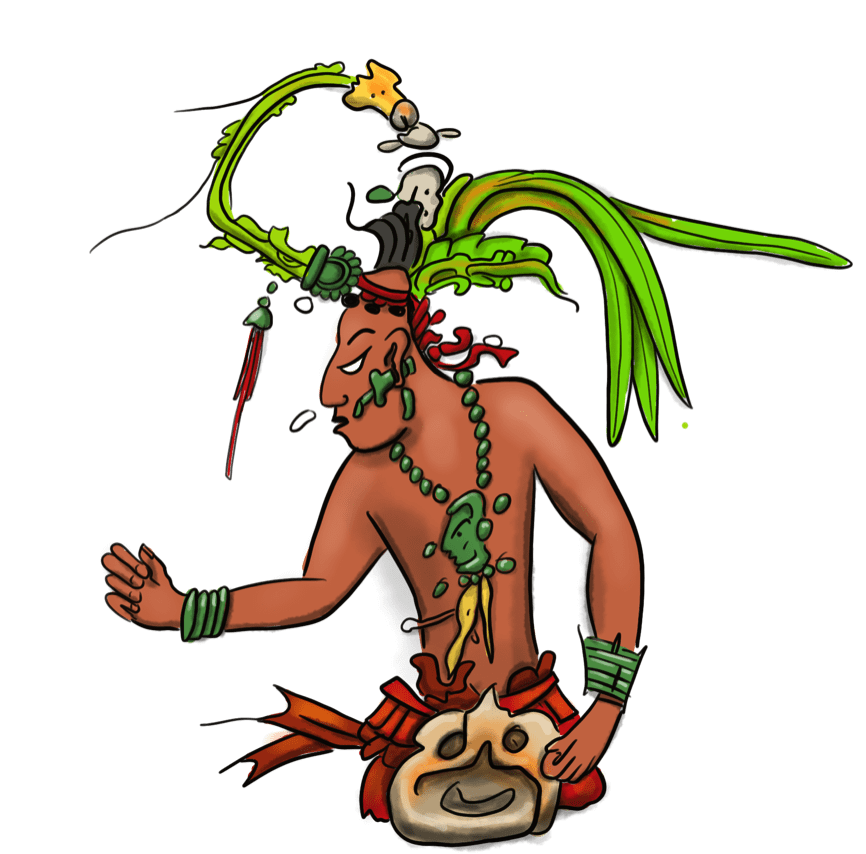
Hun-ixim is a significant figure in Maya mythology, representing the deity of maize and the sustenance that it provides to the Maya people. This god embodies the importance of maize in their culture, symbolizing life, fertility, and nourishment. The Maya civilization, known for its rich traditions and beliefs, placed great emphasis on agriculture, particularly maize, which was a staple food source. Hun-ixim is often depicted in various mythological stories that illustrate the connection between the gods, the earth, and the people. The tales surrounding this deity provide insights into the Maya worldview and their understanding of nature and the cosmos.
Hun-ixim and the Creation Myth
In the creation myths of the Maya, Hun-ixim plays a pivotal role. According to these stories, the gods gathered to create the world and everything in it. They realized that the earth needed sustenance for its inhabitants, leading to the creation of maize. Hun-ixim was chosen to be the guardian of this vital crop, ensuring its growth and prosperity. This reflects the deep respect the Maya had for maize, as it was not just a food source but a symbol of life itself. The narratives often highlight how Hun-ixim interacted with other deities, such as Itzamná and Chac, to maintain balance in the agricultural cycle.
 Hun-chowen
Hun-ixim’s connection to maize is depicted in various iconographies found in ancient Maya art. Pottery, carvings, and murals often showcase this deity in association with maize plants, emphasizing his role as a provider. The myths surrounding Hun-ixim also illustrate the importance of rituals and offerings to ensure a bountiful harvest. The Maya believed that honoring Hun-ixim through ceremonies would result in abundant crops and, consequently, the survival of their community.
The Symbolism of Maize in Maya Culture
Maize, or corn, is not merely a food source for the Maya; it is a symbol of life and a critical element of their identity. The cultivation of maize is intertwined with their spiritual beliefs, rituals, and daily practices. The Maya believed that humans were created from maize dough, further solidifying its sacred status. This belief is reflected in the various ceremonies performed to honor Hun-ixim and to ask for blessings on their crops. The connection between maize and the divine is a recurring theme in Maya mythology, illustrating the profound respect they had for nature and its resources.
The significance of maize extends beyond sustenance; it represents the cycle of life, death, and rebirth. In many myths, the planting and harvesting of maize are symbolic of life cycles. The stages of growth of the maize plant parallel the stages of human existence. The Maya understood the importance of nurturing their crops, just as they nurtured their families and communities. This connection to the earth and its cycles is a cornerstone of Maya spirituality and is exemplified in the reverence shown to Hun-ixim.
 Hun-came
Rituals and Offerings to Hun-ixim
The Maya performed various rituals and ceremonies to honor Hun-ixim, ensuring the fertility of their crops. These rituals often involved offerings of food, flowers, and even blood, demonstrating the deep connection between the people and their deities. One common practice was the planting of the first maize seeds, accompanied by prayers and offerings to Hun-ixim, asking for his blessings on the upcoming harvest. This act of planting was seen as a sacred duty, a way to maintain harmony between the human and divine realms.
During harvest time, elaborate celebrations were held to thank Hun-ixim for his generosity. These festivities included music, dance, and communal feasts, reinforcing the idea that the success of their crops was a shared achievement. The Maya understood that their survival depended on the goodwill of the gods, particularly Hun-ixim. The rituals served not only as a means of expressing gratitude but also as a way to educate the younger generations about their cultural heritage and the importance of maize in their lives.
Hun-ixim in Art and Literature
The representation of Hun-ixim in Maya art is rich and varied, often showcasing his connection to maize. Murals, pottery, and stone carvings frequently depict this deity alongside maize plants, symbolizing his role as the sustainer of life. Artists used vibrant colors and intricate designs to convey the importance of maize and the divine. These artistic expressions serve as historical records of the Maya’s agricultural practices and their spiritual beliefs, allowing modern scholars to gain insights into their culture.
 Hun Pic Tok
In addition to visual art, Hun-ixim appears in Maya literature, particularly in the Popol Vuh, the sacred book of the Maya. This text narrates the creation story and includes references to maize and its significance. The tales often emphasize the relationship between the gods and humanity, illustrating how Hun-ixim played a crucial role in the survival of the Maya people. The stories serve as a reminder of the importance of agriculture and the divine forces that influence their lives.
The Legacy of Hun-ixim
Hun-ixim’s legacy continues to be felt in modern Maya communities. The traditions and rituals associated with maize cultivation remain integral to their cultural identity. Although contemporary agricultural practices may have evolved, the reverence for maize and the stories of Hun-ixim persist. Many Maya people still celebrate the harvest season with rituals that honor the earth and the gods, maintaining a strong connection to their ancestors and their beliefs.
Furthermore, Hun-ixim symbolizes the resilience of the Maya culture in the face of challenges. The stories and practices surrounding this deity remind the community of their roots and the importance of sustainability in their agricultural practices. As modern challenges arise, such as climate change and globalization, the teachings of Hun-ixim and the value of maize continue to inspire and guide the Maya people in preserving their heritage.
Hun-ixim and Modern Maya Identity
In contemporary Maya society, Hun-ixim is not just a relic of the past but a living symbol of their identity. The stories and rituals associated with this deity are a source of pride and cultural continuity. Many Maya individuals actively participate in traditional practices, ensuring that the teachings of Hun-ixim are passed down through generations. This cultural preservation is crucial for maintaining their unique identity in a rapidly changing world.
The celebration of maize and its connection to Hun-ixim has also become a focal point for cultural festivals and events. These gatherings serve as a platform for the Maya community to express their heritage, share their stories, and educate others about their traditions. Through these celebrations, the legacy of Hun-ixim is kept alive, reminding both the Maya and the wider world of the enduring significance of maize in their culture.
Conclusion: The Enduring Significance of Hun-ixim
Hun-ixim remains a vital part of Maya mythology and culture, representing the deep connection between the people, their agricultural practices, and the divine. The stories, rituals, and artistic expressions surrounding this deity illustrate the importance of maize as a symbol of life, sustenance, and identity. As the Maya continue to honor Hun-ixim in their traditions, they affirm their cultural heritage and the enduring significance of their beliefs in the modern world.