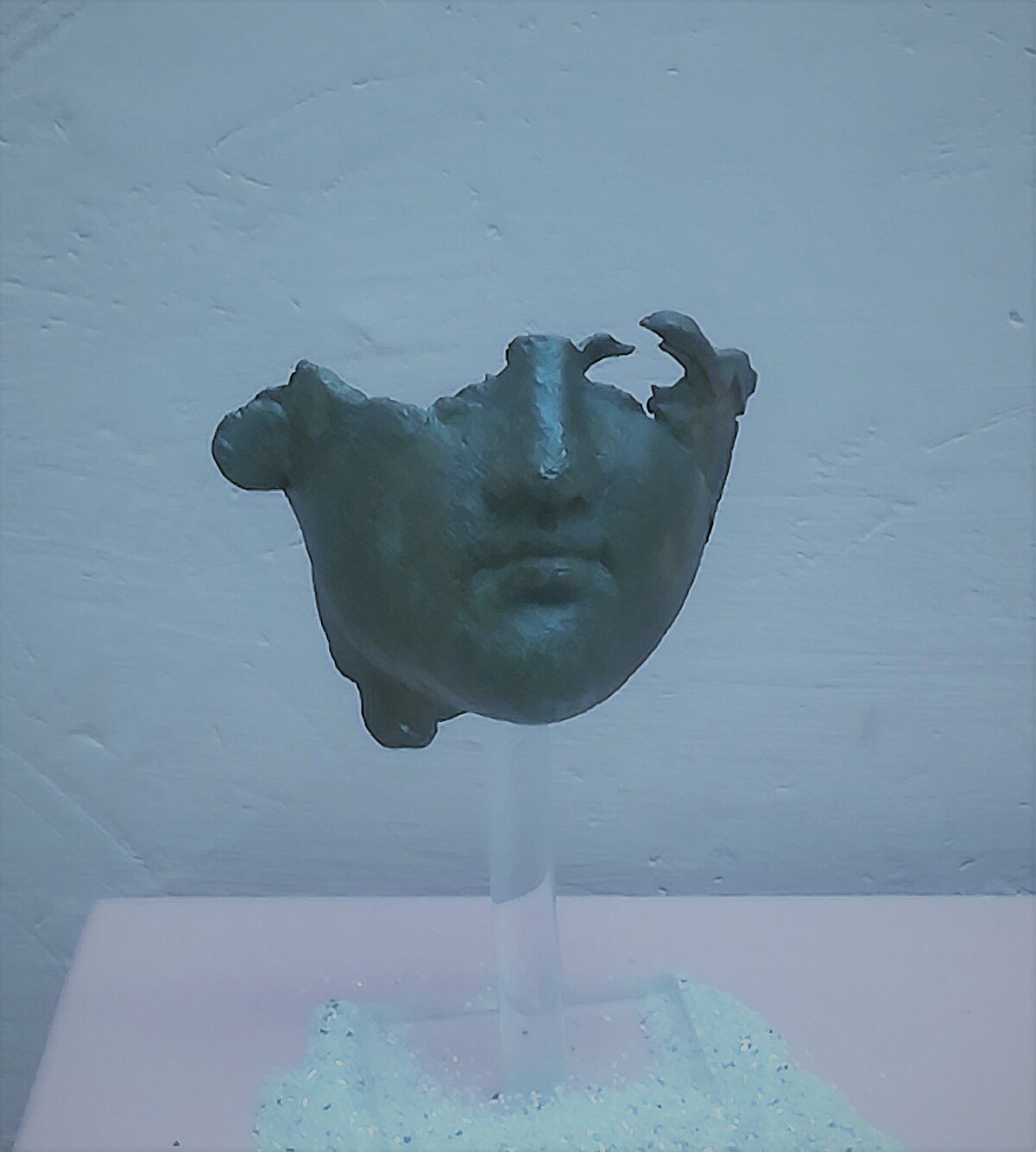
In the realm of Roman mythology, Mephitis is often associated with the natural world and its more pungent aspects. This goddess represents the foul-smelling gases that emerge from the earth, particularly from swamps and marshes. Her presence was both feared and revered, as these gases were seen as a double-edged sword; they could bring both danger and fertility to the land. Mephitis embodies the mysterious forces of nature that humans do not fully understand, highlighting the ancient Romans’ relationship with their environment.
Origins of Mephitis
The origins of Mephitis can be traced back to ancient Italian folklore and were later integrated into Roman belief systems. She is often depicted as a deity of malodorous vapors, linked to sulfur and other noxious substances. Her name itself is derived from the Latin word “mephitis,” which means “foul odor” or “noxious vapor.” This association with unpleasant smells makes her a unique figure in Roman mythology, as most deities were celebrated for their beauty and positive attributes. Instead, Mephitis serves as a reminder of the less pleasant aspects of nature.
In the early days of Roman civilization, people often lived in close proximity to marshes and wetlands. These areas were essential for survival, providing resources like fish and water. However, they also emitted harmful gases that could be dangerous to health. The Romans personified these gases in the form of Mephitis, acknowledging the duality of nature—where something essential for life could also pose a threat. This duality is a common theme in many mythologies, illustrating humanity’s struggle to coexist with nature’s unpredictable elements.
Representation and Symbolism
Mephitis is typically depicted as a female figure, often with a somewhat fearsome appearance. Her imagery may include symbols that evoke the stench and danger associated with her domain. For example, she might be shown with a mask or a covering over her face to signify the noxious vapors she embodies. Alternatively, she may be represented alongside animals that are often found in swampy areas, such as frogs or snakes, further linking her to the natural world.
 Minerva
The symbolism of Mephitis extends beyond her physical representation. She embodies the concept of balance in nature, reminding humanity that both good and bad coexist in the environment. The gases she represents can lead to the creation of fertile soil, which is essential for agriculture, but they can also lead to disease and death. Thus, Mephitis serves as a cautionary figure, urging people to respect and understand the forces of nature rather than fear them blindly.
Cult and Worship
The worship of Mephitis was not as widespread as that of other Roman deities, but she held significance in specific regions, particularly near marshy areas. Her followers would often perform rituals to appease her, especially before undertaking activities that could disturb the wetlands, such as farming or construction. These rituals were designed to ensure that Mephitis would not unleash her wrath upon the people. This practice underscores the importance of respecting nature and its unpredictable forces in ancient Roman society.
One common ritual involved the offering of sacrifices to Mephitis, which could include food or small animals. These offerings were meant to curry favor with the goddess and prevent her from releasing harmful vapors that could threaten the community. In some cases, individuals believed that by properly honoring Mephitis, they could receive her blessings in the form of bountiful harvests or protection from disease. This relationship between humans and the goddess highlights the interdependence that ancient cultures felt with their environment.
 Mithras
Mephitis in Literature and Art
While Mephitis may not be as prominent as other Roman deities, she does appear in various forms of literature and art. Ancient texts sometimes reference her in the context of discussions about the natural world and the dangers it can pose. For instance, poets might invoke her name when describing the miasma that emanates from swamps, using her as a metaphor for decay and danger. This literary usage serves to reinforce her role as a powerful, if feared, figure within Roman mythology.
In art, Mephitis might be represented in frescoes or mosaics depicting scenes of nature. Artists would use her image to symbolize the darker aspects of the environment, reminding viewers of the potential hazards that lie within the beauty of the natural world. These artistic representations often emphasize her dual nature, showcasing both the beauty and the danger that come from the earth.
Modern Interpretations of Mephitis
In contemporary times, Mephitis has been revisited by scholars and enthusiasts of mythology. Her character is often examined through the lens of environmental studies, as her associations with foul odors and gases can be related to modern concerns about pollution and environmental degradation. By understanding Mephitis, modern audiences can draw parallels between ancient beliefs and current issues, emphasizing the need for a sustainable relationship with our environment.
Additionally, Mephitis serves as a reminder of the importance of mythology in understanding cultural attitudes towards nature. Her figure highlights how ancient societies recognized the complexities of their surroundings and the potential consequences of their actions. As we face environmental challenges today, the lessons from Mephitis’s mythology can inspire a more mindful approach to how we interact with the natural world.
Mephitis is a fascinating figure within Roman mythology who embodies the complexities of nature. Her representation as a goddess of foul-smelling gases serves as a reminder of the duality present in the environment—where danger and fertility coexist. Although not widely worshipped, her significance in ancient Roman culture and her modern interpretations offer valuable insights into humanity’s relationship with the natural world. By exploring Mephitis, we gain a deeper understanding of the ancient Romans’ views on nature, balance, and the forces that shape their lives.