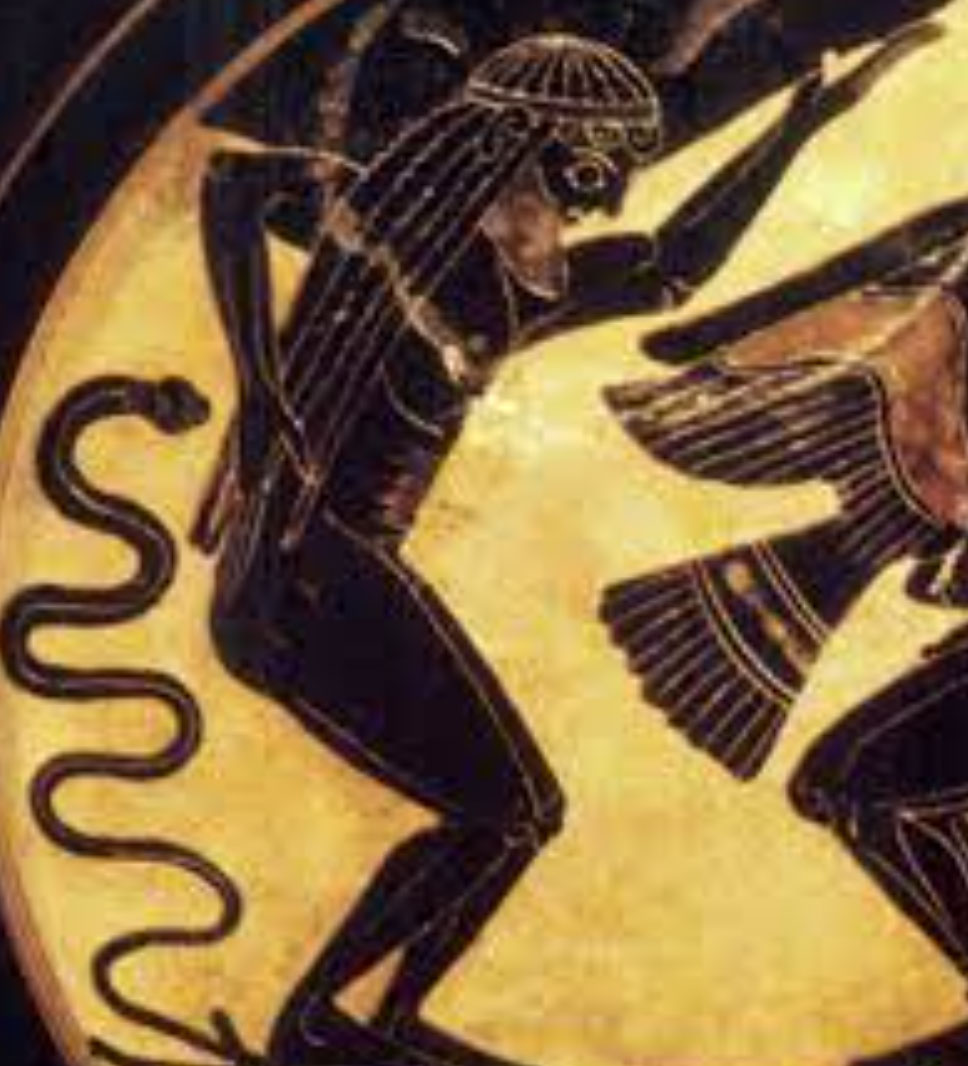
Lelantus is a fascinating figure in Greek mythology, representing various themes such as transformation, identity, and the connections between the divine and the mortal. While he may not be as well-known as other figures in Greek lore, his story holds significant importance in understanding the complexities of mythological narratives. In this article, we will explore the life and significance of Lelantus, examining his origins, relationships, and the myths surrounding him.
Origins of Lelantus
The origins of Lelantus can be traced back to the ancient Greek city of Chalcis, located on the island of Euboea. According to various sources, Lelantus is often depicted as a local hero or a demigod, which indicates his connection to the divine. His lineage is sometimes described as being tied to the Titan lineage, making him a figure of considerable power and influence. In some myths, he is portrayed as a son of the god Poseidon, while in others, he is associated with the Earth goddess, Gaia. This duality in his parentage symbolizes the connection between the sky and the earth, a recurring theme in Greek mythology.
 Lethe
LetheLelantus is often linked to the natural world, embodying the spirit of the land and its fertility. This association with nature is reflected in his name, which some scholars believe derives from the ancient Greek word for “to lie” or “to rest.” This connection to the earth and the life it sustains highlights the importance of agricultural practices in ancient Greek society. The myths surrounding Lelantus often emphasize his role as a protector of the land, ensuring that crops would flourish and that the people would thrive.
Myths and Legends
One of the most famous myths involving Lelantus is the story of the Battle of Lelantos. This myth describes a conflict between the inhabitants of Chalcis and their rivals from the nearby city of Eretria. The battle was said to have been fierce, with Lelantus playing a pivotal role in defending his homeland. He was often depicted as a brave warrior, wielding a spear and leading his people into battle. The story of this conflict highlights the themes of heroism and loyalty, showcasing Lelantus as a symbol of strength and determination.
In another legend, Lelantus is portrayed as a lover of the beautiful nymph Chione, who was known for her incredible beauty and grace. Their romance was often depicted as a passionate and tumultuous relationship, filled with challenges and obstacles. This story illustrates the theme of love and desire, showcasing how even the most powerful figures in mythology are not immune to the complexities of human emotions. The relationship between Lelantus and Chione serves to humanize him, making him more relatable to those who hear his story.
 Leto
LetoSymbolism and Significance
Lelantus represents several important themes in Greek mythology. One of the most significant aspects of his character is his connection to the natural world. As a protector of the land, he symbolizes the vital relationship between humans and nature. This relationship is especially important in the context of ancient Greek society, where agriculture was the foundation of their economy and way of life. Lelantus embodies the idea that the health of the land directly impacts the well-being of its inhabitants.
Additionally, Lelantus is often seen as a representation of transformation and identity. His dual lineage, being connected to both the divine and the earthly, allows him to navigate between different realms. This ability to adapt and change is a powerful message in Greek mythology, illustrating that identity is not fixed but can evolve over time. Lelantus serves as a reminder that one can embrace various aspects of themselves, merging the different parts of their identity into a cohesive whole.
Relationships and Interactions
The relationships Lelantus forms with other mythological figures further enrich his character. His bond with Chione, the nymph, is one of the most notable connections. Their love story, filled with passion and strife, highlights the challenges faced in romantic relationships. The dynamics of their relationship often serve as a metaphor for the struggles between love and duty, emphasizing that even powerful beings must navigate the complexities of their emotions.
 Linus
Linus- Chione: The beautiful nymph who captures Lelantus’s heart.
- Poseidon: Sometimes considered Lelantus’s father, representing the sea and its mysteries.
- Gaia: The Earth goddess, symbolizing the land and fertility.
In addition to his romantic relationships, Lelantus is also depicted as a leader among his people. His role in the Battle of Lelantos demonstrates his commitment to protecting his homeland and the people he loves. This aspect of his character showcases the importance of leadership and the responsibility that comes with it. Lelantus’s interactions with his fellow warriors highlight the values of camaraderie and sacrifice, essential themes in many Greek myths.
Legacy and Cultural Impact
The legacy of Lelantus extends beyond his own myths. He is often invoked in discussions about the importance of nature and the environment in ancient Greek culture. His connection to the land serves as a reminder of the value placed on agriculture and the respect that ancient Greeks had for the natural world. This respect for nature is a theme that resonates through many Greek myths, reflecting the values of a society deeply intertwined with the land.
Moreover, the stories of Lelantus have inspired various forms of art and literature throughout history. His character has been depicted in paintings, sculptures, and even modern literature, showcasing the enduring appeal of his story. The themes of transformation and identity found in his narrative continue to resonate with audiences today, making him a timeless figure in mythology.
Conclusion of Lelantus’s Journey
Lelantus is a rich and multifaceted character in Greek mythology. His origins, relationships, and the myths surrounding him provide valuable insights into the values and beliefs of ancient Greek society. Through his connection to nature, his romantic entanglements, and his role as a leader, Lelantus embodies the complexities of human experience. His legacy, though perhaps less known than other mythological figures, continues to influence discussions about nature, identity, and the human condition. As we explore the rich tapestry of Greek mythology, Lelantus stands out as a symbol of the enduring power of stories and their ability to reflect our own lives and struggles.