
Erzulie Ge-rouge is a significant figure in Vodou mythology, often representing the duality of love and vengeance. She is a powerful spirit known for her beauty and strength, and her stories are rich with emotion and complexity. Erzulie Ge-rouge is often depicted as a woman who embodies both the nurturing aspects of femininity and the fierce nature of a warrior. This duality makes her a fascinating character in the Vodou tradition, where spirits, known as Loa, play a crucial role in the lives of practitioners. Understanding her significance requires exploring her origins, attributes, and the various ways she is honored and invoked in Vodou rituals.
Origins of Erzulie Ge-rouge
The origins of Erzulie Ge-rouge can be traced back to the rich tapestry of African spiritual traditions that were brought to the Americas by enslaved people. These traditions merged with elements of Catholicism and indigenous beliefs, creating a unique religious practice known as Vodou. Erzulie Ge-rouge is often associated with the African goddess of love, beauty, and motherhood, but her character has evolved in the context of Haitian Vodou. Her name, Ge-rouge, translates to “red,” which symbolizes both love and blood, reflecting her passionate nature and her capacity for vengeance.
In Vodou mythology, Erzulie Ge-rouge is considered a manifestation of love that can quickly turn into wrath if provoked. This transformation speaks to the complexities of human emotions, particularly those related to love and betrayal. Her origins are deeply rooted in the stories of the enslaved who sought to reclaim their identities and cultural heritage through their spiritual practices. Erzulie Ge-rouge stands as a symbol of resilience, embodying the struggles and triumphs of those who honor her.
Attributes and Symbolism
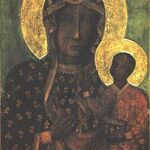
Erzulie Ge-rouge is often depicted as a strikingly beautiful woman with long hair, adorned in red and white clothing. The colors she wears are significant; red represents love, passion, and anger, while white symbolizes purity and spirituality. Her beauty is not just physical; it also reflects her inner strength and power. Erzulie Ge-rouge is associated with various symbols that hold deep meaning in Vodou practices.
 Dan Petro
Common Symbols Associated with Erzulie Ge-rouge
- Red Roses: Symbolizing love and passion.
- Blood: Representing both sacrifice and the fierce protection she offers.
- Hearts: Indicating her connection to love and emotional depth.
- Knives: Reflecting her capacity for vengeance and protection.
These symbols are often used in altars and rituals dedicated to Erzulie Ge-rouge. Practitioners may create offerings that include red roses, heart-shaped items, or even symbolic representations of knives to honor her dual nature. The balance of love and vengeance in her character emphasizes the importance of respecting the forces of nature and human emotion.
Role in Vodou Rituals
In Vodou rituals, Erzulie Ge-rouge is invoked for various reasons, primarily related to love and protection. Practitioners seek her blessings for romantic relationships, family ties, and emotional healing. Her presence is often felt in ceremonies where love is celebrated, and her energy is considered potent in matters of the heart. However, it is essential to approach her with respect and sincerity, as she is known to respond fiercely to those who may take her lightly.
Rituals dedicated to Erzulie Ge-rouge often involve offerings such as flowers, sweets, and items that symbolize love and affection. Candles are lit in her honor, and prayers are recited to seek her guidance and protection. The rituals may also include drumming and dancing, as music is a vital component of Vodou practice. Participants often express their emotions through movement, channeling the spirit of Erzulie Ge-rouge and inviting her presence into the space.
 Damballah
Myths and Legends
Numerous myths and legends surround Erzulie Ge-rouge, illustrating her complexity as a spirit. One popular story involves her love for a mortal man who betrayed her trust. In her grief and anger, she transformed from a nurturing figure into a fierce protector, punishing those who wronged her. This story highlights the consequences of betrayal and the dual nature of love—how it can inspire both tenderness and wrath.
Another legend tells of Erzulie Ge-rouge’s role in the Haitian Revolution. It is said that she inspired the enslaved people to rise against their oppressors, granting them the strength and courage to fight for their freedom. In this context, she is seen not only as a goddess of love but also as a warrior spirit who embodies the fight for justice. This aspect of her character resonates deeply within the Vodou community, symbolizing resilience and the power of love as a catalyst for change.
Erzulie Ge-rouge in Contemporary Vodou
In contemporary Vodou practice, Erzulie Ge-rouge remains a vital figure, especially among those who seek to connect with their cultural heritage. Many practitioners honor her in personal altars and during family gatherings, emphasizing the importance of love, respect, and community. Her stories continue to be told and retold, serving as a reminder of the strength found in vulnerability and the complexities of human relationships.
Social movements in Haiti and the diaspora often invoke Erzulie Ge-rouge as a symbol of empowerment, particularly for women. She represents the struggle against oppression and the fight for equality, resonating with those who seek to uplift marginalized voices. By embracing her dual nature, practitioners can find inspiration in both love and strength, navigating the challenges of modern life while staying connected to their roots.
Erzulie Ge-rouge is a multifaceted spirit within Vodou mythology, representing the intricate relationship between love, vengeance, and resilience. Her stories, attributes, and rituals reflect the depth of human emotion and the strength found in community and cultural heritage. As practitioners continue to honor her, Erzulie Ge-rouge remains a powerful symbol of love’s transformative power, reminding us of the importance of respect, connection, and the complexities of the human experience.