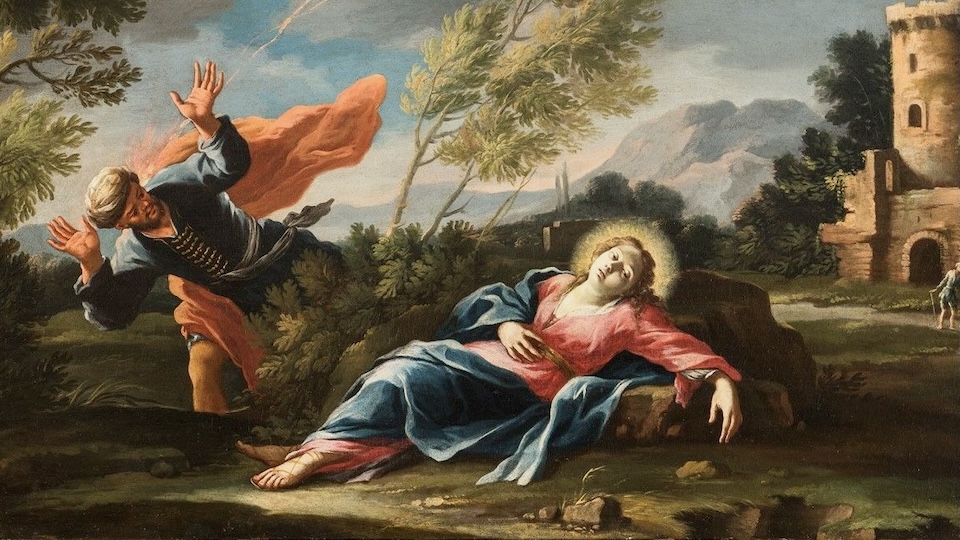
St. Barbara is a prominent figure in Christian mythology, celebrated for her remarkable life and enduring legacy. She is often regarded as a symbol of strength and faith, and her story has inspired countless believers throughout the centuries. St. Barbara is particularly venerated as a martyr who faced tremendous challenges for her faith. Her tale is intertwined with themes of courage, divine protection, and the struggle against persecution, making her an important figure in the history of Christianity.
The Life of St. Barbara
St. Barbara is believed to have lived during the 3rd century in the region of modern-day Turkey. Her father, a wealthy pagan named Dioscorus, was determined to shield her from the outside world. He kept her confined in a tower, allowing her little contact with others. Despite her isolation, Barbara became deeply interested in the Christian faith. She sought to understand the teachings of Jesus and eventually decided to embrace Christianity. This decision would lead to a series of dramatic events that would define her legacy.
 St. Ethelbert Of Kent
Barbara’s father was unaware of her conversion until he discovered that she had been baptized. Enraged by her defiance, he confronted her, but she remained steadfast in her beliefs. Her commitment to Christianity was so strong that she even challenged her father, asserting that she would not renounce her faith. This bold act of defiance against her father marked the beginning of her suffering and eventual martyrdom.
The Martyrdom of St. Barbara
The story of St. Barbara’s martyrdom is one of the most compelling aspects of her life. After learning of her conversion, Dioscorus sought to punish her for her beliefs. He brought her before the local authorities, where she was subjected to a series of brutal tortures. Despite the pain she endured, Barbara refused to abandon her faith. Her resilience and determination in the face of such adversity have made her a powerful symbol of hope for Christians.
According to various accounts, St. Barbara was subjected to horrific treatments, including being beaten and tortured with fire. Even as she suffered, she remained resolute in her commitment to Christ. Her unwavering faith is often cited as a testament to her character and serves as an inspiration to many. Ultimately, her father was the one who delivered the final blow, reportedly executing her himself. This act of betrayal is significant, as it highlights the profound conflict between faith and familial loyalty.
 St. Augustine Of Hippo
The Legacy of St. Barbara
The legacy of St. Barbara extends far beyond her martyrdom. She is recognized as the patron saint of several groups, including miners, artillerymen, and those who work with explosives. This association stems from her miraculous protection during her trials. Many believe that invoking her name can offer protection from sudden death, especially in dangerous professions. Her influence is particularly notable in regions where mining and artillery are prevalent.
St. Barbara’s feast day is celebrated on December 4th, and various traditions have emerged around this day. In many cultures, people honor her memory through special prayers, processions, and the lighting of candles. These rituals serve to commemorate her life and inspire faith among believers. Many churches and cathedrals are dedicated to St. Barbara, further solidifying her place in Christian history.
Iconography and Symbolism
St. Barbara is often depicted in art and iconography, which serves to convey her story and significance. Common symbols associated with her include the tower, representing her imprisonment, and the palm branch, symbolizing her martyrdom. Artists frequently portray her holding a chalice, which represents the divine grace she received during her suffering. These visual representations play a crucial role in communicating her story to those unfamiliar with her life.
 St. Augustine Of Canterbury
- Tower: Represents her confinement and the trials she faced.
- Palm Branch: Symbolizes victory over death and her status as a martyr.
- Chalice: Signifies the grace and faith she maintained throughout her suffering.
In addition to her physical representations, St. Barbara is also invoked in prayers and liturgies. Many Christians seek her intercession in times of danger, particularly when facing life-threatening situations. This belief in her protective power is a testament to her enduring legacy as a guardian and protector of the faithful.
St. Barbara in Different Cultures
The veneration of St. Barbara transcends cultural and geographical boundaries. Different cultures have their unique ways of celebrating her life and contributions to Christianity. In some regions, her feast day is marked by elaborate festivities, while in others, it is a more solemn occasion focused on prayer and reflection. These variations illustrate the universal appeal of her story and the ways in which it resonates with diverse communities.
In Eastern Orthodox Christianity, St. Barbara is highly revered, and her story is often recounted during church services. Many Orthodox Christians light candles in her honor, symbolizing the light of faith she represents. Similarly, in the Western Church, her legacy is celebrated through various liturgical practices and devotions. This widespread recognition underscores the importance of her story within the broader context of Christian mythology.
St. Barbara in Literature and Folklore
St. Barbara’s story has also made its way into literature and folklore. Numerous texts and hymns have been written about her life, emphasizing her virtues and the challenges she faced. These literary works often serve to inspire readers and reinforce the values of faith, courage, and resilience. They remind believers of the strength found in unwavering commitment to one’s beliefs, even in the face of adversity.
In some cultures, St. Barbara’s story has been adapted into local folklore, blending her narrative with regional customs and beliefs. This fusion of stories allows her character to resonate with a broader audience, making her a relatable figure for many. The themes of her life—sacrifice, faith, and protection—are universal, allowing her to remain relevant across different cultures and generations.
Modern-Day Celebrations and Practices
In contemporary times, St. Barbara’s legacy continues to be celebrated in various ways. Many communities organize events on her feast day, including church services, community gatherings, and educational programs. These celebrations serve not only to honor her memory but also to educate younger generations about her significance in Christian mythology. Through storytelling and communal worship, the values she embodied are passed down, ensuring that her legacy endures.
Additionally, St. Barbara is often invoked in prayer by those seeking protection in dangerous professions. Miners, construction workers, and military personnel frequently turn to her for guidance and safety. This practice highlights the ongoing relevance of her story, as many people still seek her intercession in their daily lives. The belief in her protective powers reinforces the idea that faith can provide comfort and strength in challenging times.
The Role of St. Barbara in Spiritual Practices
St. Barbara’s influence extends into various spiritual practices within Christianity. Many believers incorporate her name into their prayers, seeking her intercession for safety and guidance. The act of praying to saints is a common practice in Christianity, and St. Barbara is often called upon during times of crisis or danger. This relationship between believers and saints exemplifies the communal aspect of faith, where individuals seek support from those who have walked the path of faith before them.
In addition to personal prayers, St. Barbara is often remembered in communal worship settings. Churches may hold special services in her honor, emphasizing her role as a protector and martyr. These gatherings provide an opportunity for believers to come together in faith, reinforcing their shared beliefs and the importance of St. Barbara’s legacy in their lives. The communal aspect of these practices fosters a sense of belonging and solidarity among the faithful.
St. Barbara stands as a powerful figure in Christian mythology, embodying the virtues of faith, courage, and resilience. Her story continues to inspire and uplift believers across cultures and generations. Through her martyrdom, she has become a symbol of hope and protection, reminding individuals of the strength that faith can provide in times of adversity. The celebration of her life, both in religious practices and cultural traditions, ensures that her legacy endures, providing guidance and inspiration to all who seek her intercession.