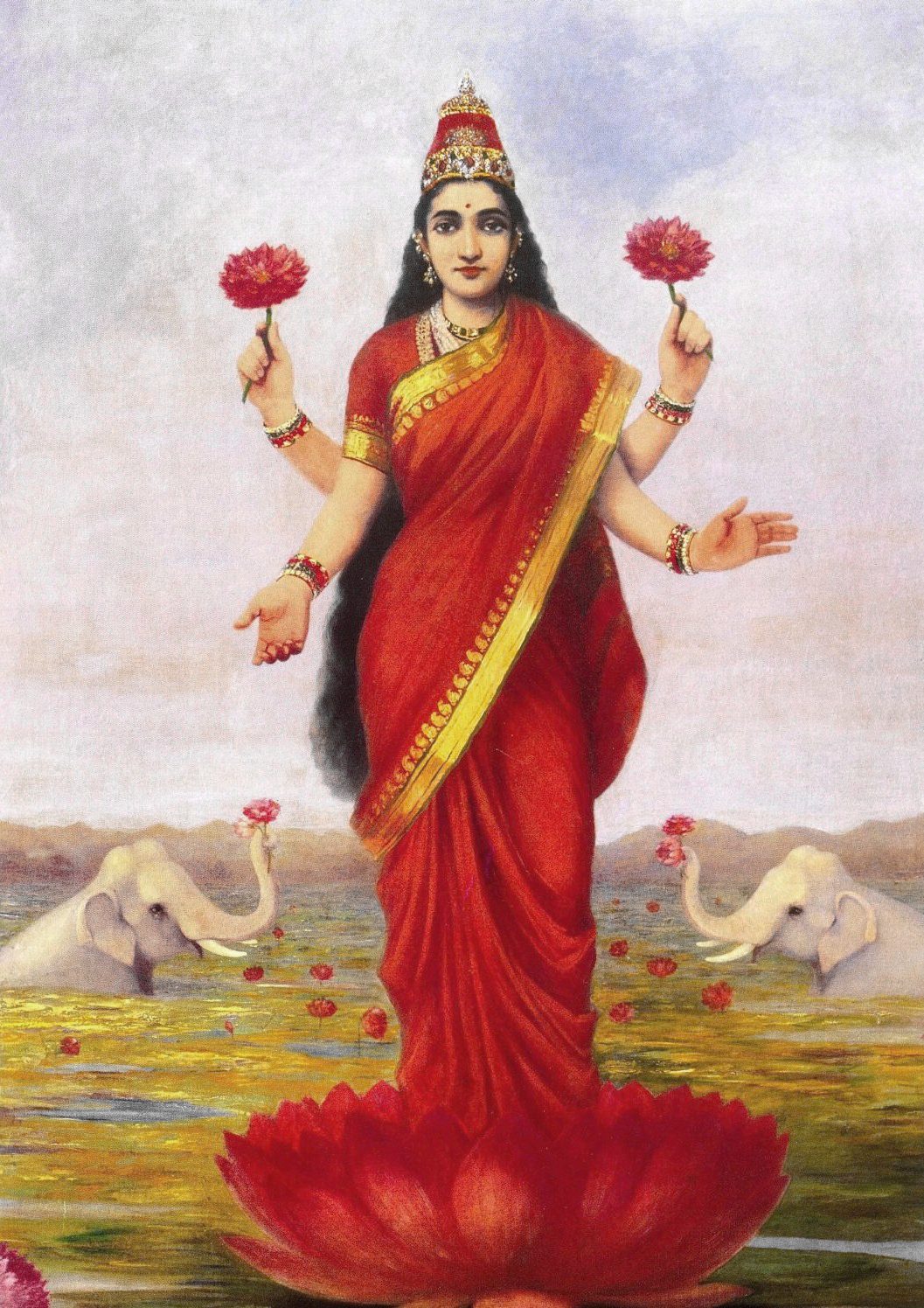
In Hindu mythology, Lakshmi is one of the most revered goddesses. She is known as the goddess of wealth, prosperity, and fortune. Her presence is believed to bring good luck and success to her devotees. Lakshmi is often depicted as a beautiful woman adorned with jewels and sitting on a lotus flower. She is associated with various aspects of life, including material wealth, spiritual prosperity, and abundance. The worship of Lakshmi is an integral part of Hindu culture, especially during festivals like Diwali, where people pray for her blessings.
Origins of Lakshmi
The origins of Lakshmi can be traced back to ancient Hindu texts. She is mentioned in the Vedas and the Upanishads, which are some of the oldest scriptures in Hinduism. According to Hindu mythology, Lakshmi emerged from the ocean of milk (Samudra Manthan) during the churning of the ocean by the gods and demons. This event is a significant tale in Hinduism, symbolizing the quest for immortality and divine treasures. Lakshmi, as the goddess of wealth, was one of the many treasures that came forth during this cosmic event.
 Lakshmana
In the stories surrounding her birth, Lakshmi is often depicted as a manifestation of divine energy. She represents the feminine aspect of the divine, which is essential for balance in the universe. Her connection with Lord Vishnu is particularly noteworthy, as she is often seen beside him in various forms. This partnership signifies the harmony between wealth and spirituality, illustrating that true wealth is not just material but also includes emotional and spiritual richness.
Iconography of Lakshmi
The iconography of Lakshmi is rich and symbolic. She is typically depicted with four arms, each representing different aspects of life. The four arms symbolize dharma (righteousness), artha (wealth), kama (desire), and moksha (liberation). These four pursuits are essential for a fulfilling life in Hindu philosophy. In her hands, she often holds a lotus flower, which signifies purity and enlightenment, and gold coins, representing wealth and prosperity.
- Lotus Flower: Represents purity and spiritual awakening.
- Gold Coins: Symbolizes material wealth and abundance.
- Elephants: Often depicted showering her with water, signifying royal power and prosperity.
- Chariot: Represents the journey of life and the importance of guiding one’s desires.
 Kurma
KurmaAdditionally, Lakshmi is often shown standing or sitting on a lotus, which further emphasizes her connection to purity and beauty. The lotus is a significant symbol in Hinduism, representing the idea that one can rise above the mud (representing ignorance and materialism) to achieve spiritual enlightenment. This visual representation serves as a reminder to her devotees to seek both material and spiritual wealth.
Lakshmi in Festivals
One of the most important festivals dedicated to Lakshmi is Diwali, also known as the Festival of Lights. During this festival, people clean their homes and decorate them with lights and flowers to welcome the goddess. It is believed that Lakshmi visits homes that are clean and well-decorated. Families perform rituals and offer prayers to invite her blessings for prosperity and happiness in the coming year. The lighting of lamps and candles symbolizes the victory of light over darkness and knowledge over ignorance.
Another significant festival is Vasant Panchami, which marks the arrival of spring. On this day, devotees worship Lakshmi along with Saraswati, the goddess of knowledge. This celebration signifies the importance of education and wealth in achieving success in life. People wear yellow clothes, which is considered auspicious, and prepare traditional sweets to offer to the deities.
 Kunti
KuntiWorship and Rituals
The worship of Lakshmi involves various rituals and practices that vary across different regions of India. Devotees often create a small altar in their homes dedicated to her. This altar is adorned with images or idols of Lakshmi, flowers, and lamps. Puja (worship) is performed regularly, especially on Fridays, which are considered particularly auspicious for honoring the goddess. Offerings of sweets, fruits, and rice are made to please her.
Many families also observe the Lakshmi Puja during the festival of Diwali. This ritual involves chanting specific mantras and performing elaborate ceremonies to invoke her blessings. The prayers often include requests for financial stability, success in business, and overall well-being. The use of specific items, such as coconuts and betel leaves, is common during these rituals, as they are believed to be pleasing to the goddess.
Lakshmi and Other Deities
Lakshmi is closely associated with other deities in Hinduism, most notably with Lord Vishnu. Their relationship is often depicted in various texts and art forms. Lakshmi is considered the Shakti (power) of Vishnu, and together they represent the balance of material and spiritual wealth. In many stories, Lakshmi plays a vital role in aiding Vishnu in his incarnations, often helping to restore dharma (righteousness) in the world.
Additionally, Lakshmi is sometimes compared with other goddesses like Durga and Saraswati. While Durga represents strength and protection, Saraswati symbolizes knowledge and wisdom. Together, these goddesses embody the different aspects of life that are essential for a harmonious existence. The combination of their powers highlights the importance of seeking balance between strength, wisdom, and prosperity.
Symbolism of Lakshmi
The symbolism of Lakshmi extends beyond just material wealth. She represents the idea that true prosperity comes from a combination of wealth, wisdom, and righteousness. Her teachings emphasize that while it is essential to seek financial stability, one must also prioritize ethical behavior and spiritual growth. This duality is a crucial aspect of her worship and is reflected in the way her devotees approach life.
Moreover, Lakshmi is often seen as a protector of the home. It is believed that her presence brings peace and harmony to families. Her blessings are sought not just for individual prosperity but for the well-being of the entire household. Many families have rituals in place to honor Lakshmi regularly, reinforcing the belief that a harmonious home leads to a prosperous life.
Lakshmi is a vital figure in Hindu mythology, embodying the principles of wealth, prosperity, and spiritual enlightenment. Her worship is deeply ingrained in Hindu culture, with numerous festivals and rituals dedicated to her. The stories and teachings associated with Lakshmi serve as a reminder of the importance of balancing material desires with spiritual growth. Her enduring legacy continues to inspire millions of devotees around the world, highlighting the timeless relevance of her teachings in contemporary life.