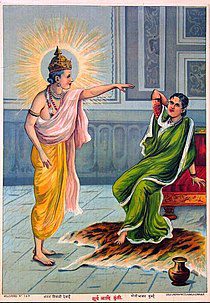
Kunti is a significant figure in Hindu mythology, particularly in the epic of the Mahabharata. She is known for her strength, resilience, and deep love for her sons. Kunti, originally named Kunti Bhattacharya, was the daughter of King Shurasena and the princess of Kuntala. Her story is filled with dramatic turns, showcasing her as a woman of great virtue and sacrifice. Her character embodies the themes of duty, honor, and the complexities of familial relationships. As we explore Kunti’s life, we will delve into her early years, her marriage, and her pivotal role in the Mahabharata.
Early Life of Kunti
Kunti’s early life is marked by her unique upbringing and the extraordinary circumstances that surrounded her birth. She was born to a royal family, and from a young age, she was known for her exceptional beauty and intelligence. Her father, King Shurasena, was very proud of her, but Kunti’s life took a dramatic turn when she was given to the sage Durvasa for education. Durvasa was known for his short temper, and Kunti had to serve him diligently to avoid his wrath.
 Kundalini
During her time with Durvasa, Kunti received a boon that would change her life forever. The sage was pleased with her service and granted her the ability to invoke any god and have a child with him. This boon would later become a double-edged sword for Kunti, as it brought both blessings and challenges. Despite her royal background, Kunti’s experiences with Durvasa taught her humility and the importance of devotion.
Kunti and the Birth of Her Sons
Kunti’s life took a significant turn when she returned to her father’s palace after her time with Durvasa. Soon, she was married to King Pandu, who was the ruler of Hastinapura. Pandu was cursed and could not father children, which left him deeply troubled. Understanding her husband’s plight, Kunti decided to use her boon to help him. She invoked the god Dharmaraja (Yama), the god of righteousness, and bore her first son, Yudhishthira.
Following the birth of Yudhishthira, Kunti invoked other gods to fulfill her husband’s desire for more children. She called upon Vayu, the wind god, and gave birth to Bhim, known for his immense strength. Finally, she invoked Indra, the king of gods, and bore Arjuna, a skilled archer and warrior. Kunti’s ability to bear these sons was a source of pride for her, but it also created tension in the family, especially with her co-wife, Madri.
 Kumbhakarna
The Relationship with Madri
Madri, Pandu’s second wife, was a loving and gentle woman who had her own desires to bear children. Kunti, being the first wife, felt a sense of responsibility towards Madri. In a gesture of sisterhood, Kunti shared her boon with Madri, allowing her to invoke the Ashwini twins, the divine physicians. Madri successfully gave birth to twin sons, Nakula and Saadeva, making the family of Pandu complete with five sons, known as the Pandavas.
The relationship between Kunti and Madri was complex. While Kunti was initially supportive, the competition for Pandu’s affection and the responsibility of raising the sons often created friction. Kunti’s strong personality clashed with Madri’s gentle nature, leading to moments of tension. However, both women ultimately shared the common goal of nurturing their children and ensuring their success in the face of impending challenges.
Kunti’s Trials and Sacrifices
Kunti’s life was not without its trials. The turning point came when Pandu, overwhelmed by his curse, decided to renounce the throne and live in the forest with his family. This period of exile tested Kunti’s resilience and strength. Living in the forest was challenging, as they faced numerous hardships, including lack of food, shelter, and safety. Yet, Kunti remained steadfast and took on the role of the primary caretaker, ensuring that her sons received the necessary guidance and support.
 Kubera
During their time in the forest, the Pandavas faced numerous threats, including attacks from powerful demons and rival kings. Kunti’s wisdom and experience came to the forefront as she guided her sons in overcoming these challenges. Her teachings on duty and righteousness shaped their characters and prepared them for the future battles that awaited them. Kunti’s sacrifices during these trying times solidified her position as a matriarch and a source of strength for the Pandavas.
Kunti and the Kurukshetra War
The Kurukshetra War marked a significant turning point in Kunti’s life. As the mother of the Pandavas, she found herself torn between her love for her sons and the reality of the impending conflict with the Kauravas, led by her own brother, Duryodhana. The war was not just a battle for land; it was a struggle for righteousness and justice. Kunti knew that the war would lead to great loss and suffering, yet she had to support her sons in their quest for their rightful place.
Before the war began, Kunti visited her sons and imparted important lessons about honor, duty, and sacrifice. She encouraged them to fight valiantly but also reminded them of the importance of compassion. Kunti’s deep love for her sons was evident as she prayed for their safety and success. The emotional turmoil she experienced during this time highlighted her strength as a mother, torn between her familial ties and her duty to the greater good.
The Aftermath of the War
After the devastating Kurukshetra War, Kunti faced the tragic consequences of the conflict. The loss of life was immense, and the grief that enveloped her was overwhelming. She had lost many relatives, including her beloved sons, the Kauravas, and even her husband, Pandu. The war had transformed her life forever, leaving her as one of the few surviving members of her family. In the aftermath, Kunti became a symbol of resilience and strength, showcasing her ability to endure and adapt to the harsh realities of life.
In her grief, Kunti also recognized the importance of forgiveness and reconciliation. She reached out to the surviving members of her family and sought to mend the broken relationships caused by the war. Her wisdom and compassion allowed her to play a vital role in the healing process for her sons, who were burdened by the weight of their actions during the war. Kunti’s ability to navigate the complexities of family dynamics in the face of tragedy further solidified her legacy as a powerful and compassionate figure in Hindu mythology.
Kunti’s Legacy
Kunti’s legacy extends beyond her role as a mother and wife; she is revered as a symbol of strength, resilience, and sacrifice in Hindu mythology. Her character serves as an example of how one can navigate the complexities of life with grace and dignity. Kunti’s unwavering commitment to her family and her sense of duty have inspired countless individuals throughout generations. Her story highlights the struggles faced by women in a patriarchal society and emphasizes the importance of female strength and agency.
Moreover, Kunti’s relationships with her sons have been interpreted in various ways, reflecting the multifaceted nature of motherhood. Her ability to balance love and duty showcases the challenges that many mothers face, especially in times of crisis. Kunti’s teachings continue to resonate with people today, reminding them of the importance of resilience, compassion, and the strength of familial bonds.
Kunti in Popular Culture
Kunti’s character has transcended the pages of the Mahabharata and found its way into popular culture. She has been portrayed in various adaptations of the epic, including television series, films, and literature. These adaptations often explore her complexities as a mother and a woman in a patriarchal society. Kunti’s story has been retold in different ways, highlighting her strength and the moral dilemmas she faced throughout her life.
In modern interpretations, Kunti is often seen as a symbol of empowerment. Her character is celebrated for her resilience and the sacrifices she made for her family. Various artistic representations, from paintings to performances, depict her journey and the challenges she overcame. Kunti’s story continues to inspire artists, writers, and filmmakers, ensuring that her legacy remains alive in contemporary culture.
Kunti’s journey through life is a testament to the enduring spirit of a woman who navigated the complexities of family, duty, and sacrifice. Her story resonates with themes of love, resilience, and the challenges faced by women in society. Kunti remains an iconic figure in Hindu mythology, embodying the strength and virtues that continue to inspire generations. Through her trials and triumphs, Kunti’s legacy as a mother, wife, and warrior endures, reminding us of the power of love and the importance of standing firm in the face of adversity.