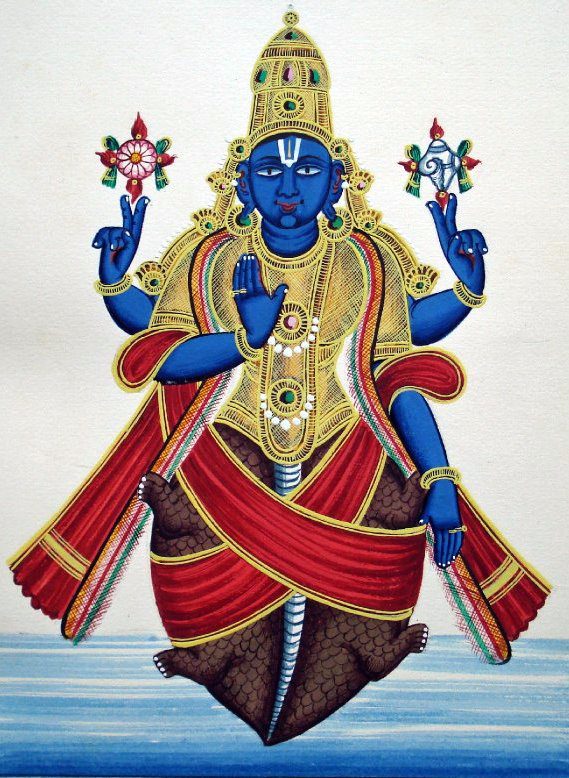
In Hindu mythology, Kurma is the second avatar of the god Vishnu. This avatar takes the form of a tortoise and plays a crucial role in various mythological tales. The story of Kurma is primarily associated with the Samudra Manthan, or the churning of the ocean, which is a significant event in Hindu cosmology. This tale illustrates the cooperation between gods and demons to obtain the elixir of immortality known as amrita. The Kurma avatar represents the importance of balance and stability, as well as the idea of support during difficult times.

The Story of Kurma
The narrative of Kurma begins when the gods, known as the Devas, and the demons, or Asuras, decided to work together to churn the ocean to obtain amrita. However, they faced a significant challenge: they needed a stable base to support Mount Mandara, which they planned to use as a churning rod. The mountain was too heavy to stand on its own, and thus the need for a stable foundation arose. This is where Vishnu, in his Kurma avatar, stepped in to help.
Vishnu transformed himself into a giant tortoise, Kurma, and dove into the ocean. He then lifted Mount Mandara on his back, providing the necessary stability for the churning process. This act not only showcases Vishnu’s role as a protector but also emphasizes the idea that sometimes, strength lies in being supportive and reliable. Kurma’s presence ensured that the churning could proceed without any interruptions, allowing both gods and demons to work together towards a common goal.
The Significance of the Churning of the Ocean
The churning of the ocean is not just a tale of cooperation; it holds deep philosophical meanings. It symbolizes the eternal struggle between good and evil, represented by the Devas and Asuras. The process of churning itself can be seen as a metaphor for the challenges and hardships one faces in life. Just like the ocean was churned to produce amrita, individuals often must endure difficulties to achieve their goals and aspirations.
 Kundalini
Additionally, the story teaches the value of teamwork and collaboration. The Devas and Asuras, despite their differences, came together for a common purpose. This unity is essential in overcoming obstacles and achieving great things. Kurma’s role as the stabilizer during this tumultuous process highlights the importance of having a strong foundation, whether it be in relationships, projects, or personal endeavors.
The Symbolism of Kurma
Kurma, as a tortoise, carries profound symbolism in Hindu culture. Tortoises are often associated with longevity, wisdom, and stability. In many cultures, including Hinduism, they are seen as creatures that symbolize patience and endurance. Kurma embodies these traits, reminding us that strength is not always about speed or aggression; sometimes, it is about being steadfast and supportive.
Moreover, the tortoise is also a symbol of the earth and its stability. By taking the form of Kurma, Vishnu illustrates his role as the protector of the universe. The act of supporting Mount Mandara signifies the balance that must be maintained in the cosmos. This balance is crucial for the continued existence of both the divine and mortal realms. Kurma’s symbolism extends beyond mere physical support; it reflects the need for harmony and equilibrium in life.
 Kumbhakarna
Kurma in Art and Literature
The depiction of Kurma has inspired numerous works of art and literature throughout history. In traditional Indian art, Kurma is often portrayed as a large tortoise with intricate designs on its shell. These artworks typically capture the moment of the churning of the ocean, showcasing the gods and demons working together. The visual representation of Kurma serves as a reminder of the importance of cooperation and the divine intervention that guides humanity.
In literature, the story of Kurma is recounted in various texts, including the Bhagavata Purana and the Mahabharata. These texts delve deeper into the mythology surrounding Kurma, providing readers with insights into his significance in the Hindu pantheon. The narratives often explore themes of sacrifice, teamwork, and the eternal battle between good and evil, all of which are encapsulated in the story of Kurma.
Kurma and Other Avatars of Vishnu
Kurma is one of the ten principal avatars of Vishnu, known as the Dashavatara. Each avatar represents different aspects of Vishnu’s divine purpose. The other avatars include Matsya (the fish), Varaha (the boar), Narasimha (the half-man, half-lion), Vamana (the dwarf), Parashurama (the warrior with an axe), Rama (the prince of Ayodhya), Krishna (the divine lover), Buddha (the enlightened one), and Kalki (the future warrior).
Each avatar serves a specific purpose in restoring cosmic order and protecting dharma. Kurma, as the tortoise, is particularly significant because he represents the stability needed during chaotic times. While other avatars may focus on action or destruction of evil, Kurma emphasizes the need for support and strength in maintaining balance within the universe.
Kurma in Modern Culture
In contemporary times, the figure of Kurma continues to be relevant in various forms of media and culture. The stories of Kurma and the churning of the ocean are often depicted in films, television series, and even animated shows. These adaptations help to keep the ancient tales alive, introducing them to younger generations in an engaging manner.
Additionally, Kurma’s symbolism of stability and support resonates in today’s fast-paced world. Many people find inspiration in Kurma’s story, especially in times of uncertainty or crisis. The idea that strength can come from being a reliable support for others is a powerful message that transcends cultural boundaries. As individuals navigate their own challenges, the lessons from Kurma’s tale can serve as a guiding light.
Festivals and Celebrations
Kurma is also celebrated during various Hindu festivals, particularly those that honor the avatars of Vishnu. One such festival is Vaikuntha Ekadashi, which is dedicated to Vishnu and his avatars. During this festival, devotees engage in prayers and rituals to seek blessings from Vishnu, including his Kurma avatar. The celebration often includes storytelling sessions where the tales of Kurma and other avatars are recounted, allowing the community to come together in shared reverence.
Moreover, the significance of Kurma is reflected in temple architecture and rituals. Many temples dedicated to Vishnu feature depictions of Kurma, often in the form of sculptures or paintings. These artistic representations serve as a reminder of the divine support that Kurma provides and encourage devotees to seek stability in their lives through devotion and prayer.
Lessons from Kurma
The story of Kurma offers valuable lessons that are applicable to daily life. One of the most prominent teachings is the importance of teamwork. The collaboration between the Devas and Asuras illustrates that working together can lead to greater achievements, even in the face of differences. This lesson is particularly relevant in today’s world, where collaboration is often essential for success in various fields.
Another lesson is the idea of perseverance. Just as Kurma supported Mount Mandara during the churning, individuals are often called upon to be the stabilizing force in their families, workplaces, or communities. This can require patience and dedication, but the rewards of being a reliable support system can be profound.
The Global Influence of Kurma
While Kurma is a significant figure in Hindu mythology, his influence extends beyond India. The themes of stability, support, and cooperation resonate with many cultures around the world. Tortoises and turtles are often seen as symbols of wisdom and longevity in various traditions, demonstrating a shared appreciation for these traits across cultures.
In recent years, there has been a growing interest in Eastern philosophies and mythologies, including Hinduism. This has led to a broader understanding and appreciation of figures like Kurma in global contexts. As more people explore these stories, they find universal truths that apply to their own lives, fostering a sense of connection and shared humanity.
Kurma, as an avatar of Vishnu, plays a vital role in Hindu mythology. His story encapsulates themes of support, teamwork, and the importance of stability in the face of challenges. Through the narrative of the churning of the ocean, Kurma reminds us that collaboration and perseverance are essential in achieving our goals. As we continue to explore and share these ancient tales, we discover valuable lessons that remain relevant in our modern lives.