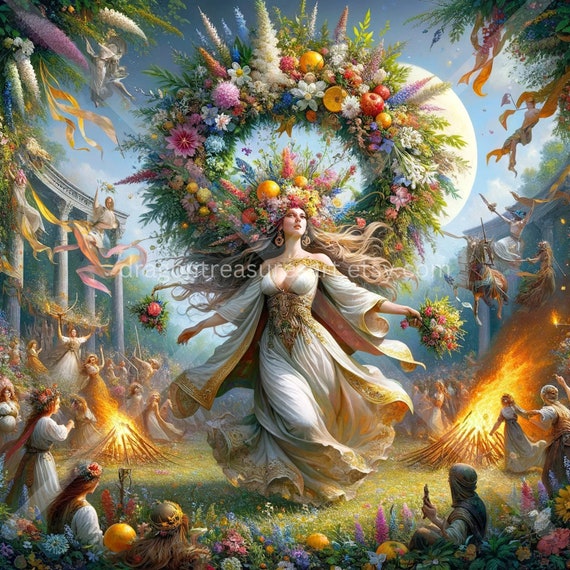
In Lithuanian mythology, Kupole is a significant figure associated with the summer solstice and various fertility rituals. This character embodies the essence of nature, love, and the cycles of life. Kupole is celebrated during the festival known as Jāņi or Rasos, which marks the peak of summer and the longest day of the year. The festival is filled with ancient customs, songs, and dances that honor Kupole and the natural world. People gather to celebrate, lighting bonfires and singing traditional songs, all to pay homage to the spirit of Kupole and to seek blessings for the harvest and fertility.
The Significance of Kupole in Lithuanian Culture
Kupole holds a vital place in Lithuanian culture, representing the connection between the earth and the sky. The figure of Kupole is often associated with the goddess of fertility and the earth, symbolizing growth and abundance. During the summer solstice, rituals are performed to honor her, ensuring that the crops will flourish. People believe that by celebrating Kupole, they can secure a good harvest and a bountiful year ahead. This belief is deeply rooted in the agricultural traditions of Lithuania, where the cycles of nature dictate the rhythm of life.
 Teliavelis
Moreover, Kupole is often seen as a unifying figure, bringing people together in celebration. The rituals associated with her are communal, emphasizing the importance of community and shared values. Families and friends gather to participate in festivities, reinforcing social bonds and cultural identity. This aspect of Kupole’s significance highlights the importance of togetherness and collective joy in Lithuanian society.
Rituals and Celebrations
The celebration of Kupole involves various rituals that are both symbolic and practical. One of the most notable rituals is the lighting of bonfires, which symbolizes the sun and its life-giving energy. People gather around these fires to sing songs and dance, creating a lively atmosphere filled with joy and laughter. The flames are believed to have purifying properties, and jumping over the fire is a common practice that is thought to bring good luck and prosperity.
- Bonfire Lighting: A central element of the celebration, representing the sun.
- Flower Crowns: Made from various flowers, symbolizing beauty and fertility.
- Herb Gathering: People collect herbs, believed to have protective and healing properties.
- Wishing Rituals: Individuals express their wishes by floating wreaths on water.
Another important ritual during the Kupole celebrations is the creation of flower crowns. These crowns are made from a variety of wildflowers and are worn by both men and women. The act of making and wearing flower crowns symbolizes beauty, youth, and fertility. It is believed that wearing a crown made of flowers can attract love and happiness. Additionally, these crowns are often used in rituals where individuals make wishes by floating them on water, further connecting the participants with nature and the spiritual realm.
 Jurate
The Symbolism of Kupole
Kupole is rich in symbolism, representing various aspects of life, nature, and spirituality. As a goddess of fertility, she embodies the nurturing qualities of the earth. This connection to fertility is not only about agricultural abundance but also encompasses the idea of growth in personal relationships and family life. Kupole’s presence is felt in the blossoming of flowers, the ripening of crops, and the birth of new life. This multifaceted symbolism makes her an essential figure in the Lithuanian mythological landscape.
Additionally, Kupole symbolizes the balance between light and dark. The summer solstice marks the longest day of the year, a time when the sun is at its peak. However, it also serves as a reminder that after this day, the days will gradually grow shorter. This cyclical nature of time reflects the broader themes of life, death, and rebirth found in many mythologies around the world. Kupole, therefore, serves as a reminder of the importance of embracing both the light and the dark aspects of existence.
Mythological Tales of Kupole
There are several mythological tales associated with Kupole that illustrate her significance in Lithuanian culture. One popular story describes how Kupole fell in love with a mortal man during a summer festival. Their love was pure and strong, symbolizing the connection between the divine and the earthly. However, as the seasons changed, Kupole had to return to her celestial realm, leaving her mortal lover behind. This tale highlights the transient nature of love and beauty, emphasizing the importance of cherishing moments of joy and connection.
 Junda
Junda- The Love Story: A tale of love between Kupole and a mortal, symbolizing connection.
- The Harvest Blessing: Kupole blesses the crops, ensuring abundance.
- The Cycle of Seasons: Kupole’s journey reflects the changing seasons.
Another story tells of how Kupole blesses the fields and ensures a bountiful harvest. In this tale, farmers would invoke her name before planting their seeds, asking for her guidance and blessings. It is said that when Kupole is honored, the fields would flourish, and the crops would be abundant. This story reflects the deep respect that Lithuanian farmers have for nature and the importance of rituals in agricultural practices.
Modern Celebrations of Kupole
Today, the celebration of Kupole continues to thrive in Lithuania, blending ancient traditions with modern practices. Festivals are organized in various towns and villages, attracting both locals and tourists. These events often include traditional music, dance performances, and exhibitions showcasing Lithuanian culture. The revival of these celebrations is a testament to the enduring legacy of Kupole in Lithuanian society.
During these modern celebrations, people still engage in traditional rituals such as bonfire lighting and flower crown making. There is a strong emphasis on reconnecting with nature, and many participants take the opportunity to learn about the significance of the herbs and flowers used in the celebrations. Workshops and guided activities are often available, allowing attendees to immerse themselves in the cultural experience.
Community Involvement
Community involvement plays a crucial role in the modern celebrations of Kupole. Local organizations and cultural groups often come together to plan and execute the festivities. This collaborative effort fosters a sense of belonging and pride within the community. Volunteers are essential in organizing events, setting up decorations, and ensuring that the traditions are honored and passed down to future generations.
- Local Organizations: Many groups work together to plan celebrations.
- Workshops: Activities that teach traditional crafts and rituals.
- Intergenerational Participation: Families come together to celebrate and learn.
Furthermore, the modern celebrations of Kupole often encourage intergenerational participation, where grandparents, parents, and children come together to celebrate. This aspect of the festivities reinforces the transmission of cultural knowledge and values, ensuring that the significance of Kupole and her rituals are not forgotten. It creates a sense of continuity and connection across generations, enriching the community’s cultural fabric.
The Impact of Kupole on Lithuanian Identity
Kupole plays a significant role in shaping Lithuanian identity. As a figure deeply rooted in nature and the cycles of life, she embodies the connection that Lithuanians have with their land. The reverence for nature and the changing seasons is reflected in various aspects of Lithuanian culture, including art, music, and literature. Kupole serves as a reminder of the importance of these connections and the need to respect and protect the natural world.
Moreover, the celebration of Kupole reinforces national pride and cultural identity. In a world that is becoming increasingly globalized, the preservation of local traditions is vital for maintaining a unique cultural heritage. The rituals associated with Kupole are a source of pride for many Lithuanians, as they reflect the rich history and values of the nation. By celebrating Kupole, Lithuanians reaffirm their cultural identity and strengthen their connection to their ancestors.
Environmental Awareness
In recent years, the celebrations of Kupole have also taken on an environmental dimension. As awareness of environmental issues grows, many participants are incorporating eco-friendly practices into their celebrations. This includes using natural materials for decorations, promoting sustainable agriculture, and encouraging the protection of local ecosystems. The emphasis on environmental awareness aligns with the traditional values associated with Kupole, who is a guardian of nature and fertility.
- Eco-Friendly Practices: Emphasizing sustainability in celebrations.
- Herb Education: Teaching about local plants and their uses.
- Community Clean-Up: Organizing events to clean local natural areas.
Educational initiatives are also a part of modern Kupole celebrations, with workshops focused on local flora and fauna. Participants learn about the importance of preserving biodiversity and protecting the environment. This educational aspect not only honors Kupole’s connection to nature but also empowers individuals to take action in their communities, fostering a sense of responsibility towards the earth.
The Future of Kupole in Lithuanian Mythology
The future of Kupole in Lithuanian mythology appears bright as interest in cultural heritage continues to grow. Younger generations are increasingly engaging with their roots, seeking to understand and celebrate their traditions. This revival is supported by various cultural initiatives, educational programs, and community events that highlight the importance of figures like Kupole in Lithuanian mythology.
As Lithuania continues to evolve, the celebration of Kupole can adapt to contemporary society while maintaining its core values. By incorporating modern elements and addressing current issues such as environmentalism, the traditions surrounding Kupole can remain relevant and resonate with new audiences. This adaptability ensures that the essence of Kupole will endure, providing a source of inspiration and connection for future generations.
Preservation of Mythological Heritage
The preservation of mythological heritage is crucial for maintaining cultural identity. Efforts to document and share stories about Kupole are ongoing, with researchers, artists, and educators working to keep her legacy alive. This includes the publication of books, the creation of art inspired by Kupole, and the integration of her stories into school curricula. Such initiatives play a vital role in ensuring that the significance of Kupole is recognized and appreciated by all.
- Storytelling Events: Organizing gatherings to share myths and legends.
- Art Exhibitions: Showcasing works inspired by Kupole and Lithuanian mythology.
- Educational Programs: Incorporating mythology into school lessons.
the enduring legacy of Kupole in Lithuanian mythology highlights the importance of cultural traditions and the need for their preservation. As communities come together to celebrate her, they not only honor their past but also pave the way for a future where these rich traditions can continue to thrive. Through the celebration of Kupole, Lithuanians reaffirm their connection to nature, community, and identity, ensuring that the spirit of this beloved figure remains alive for generations to come.