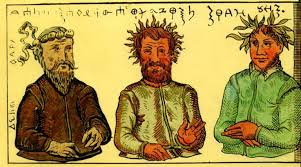
Kremata is a significant figure in Lithuanian mythology, often associated with the themes of life, death, and the afterlife. This mythological entity embodies the complexities of existence and the transition from life to death. In Lithuanian folklore, Kremata represents not only the inevitability of death but also the hope of rebirth. The stories surrounding Kremata are deeply rooted in the cultural traditions of Lithuania, illustrating how ancient beliefs continue to influence contemporary society.
The Origin of Kremata
The origins of Kremata can be traced back to ancient Lithuanian beliefs about the afterlife. In pre-Christian times, the people of Lithuania held a rich tapestry of myths and legends that explained natural phenomena and human experiences. Kremata was believed to be a guide for souls transitioning from the earthly realm to the afterlife. This role was crucial in a society that placed great importance on the connection between the living and the dead.
 Keliu Dievas
According to various mythological texts, Kremata is often depicted as a female figure, symbolizing fertility and renewal. Her character embodies the duality of life and death, showcasing the belief that death is not an end but a transformation. This perspective is reflected in the rituals and customs surrounding death in Lithuanian culture, where Kremata’s influence is still felt today.
Kremata in Folklore
In Lithuanian folklore, Kremata is often associated with specific rituals and customs that honor the dead. One of the most significant aspects of her mythology is the belief that she helps souls navigate the challenges of the afterlife. This journey is not always easy, as it is filled with trials that the soul must overcome to reach peace. Kremata is said to provide guidance and support during these difficult times.
Many stories depict Kremata as a nurturing figure who offers comfort to those who have lost loved ones. She is often invoked in prayers and rituals aimed at ensuring a smooth transition for the deceased. This practice highlights the cultural importance of remembering and honoring the dead, which is a central theme in Lithuanian traditions.
 Kovas
KovasThe Symbolism of Kremata
Kremata is rich in symbolism, representing various aspects of life and death. One of her primary symbols is the circle, which signifies the cyclical nature of existence. This circle represents the idea that life, death, and rebirth are interconnected, and that one cannot exist without the other. The circle is a powerful reminder of the eternal cycle of life that governs all living beings.
Additionally, Kremata is often associated with nature and its cycles. Her connection to the earth emphasizes the belief that death is a natural part of life. In many stories, Kremata is depicted in lush, green settings, symbolizing growth, renewal, and the continuity of life. This portrayal serves as a reminder that even in death, there is potential for new beginnings.
Kremata and Lithuanian Customs
The influence of Kremata extends beyond mythology into the realm of Lithuanian customs and traditions. One of the most notable customs is the practice of honoring the deceased during specific times of the year, such as All Saints’ Day and All Souls’ Day. During these occasions, families gather to remember their loved ones, lighting candles and sharing stories to keep their memories alive. Kremata’s presence is felt during these rituals, as she symbolizes the connection between the living and the dead.
 Kaupolis
Another custom linked to Kremata is the preparation of special foods for the deceased. Families often prepare meals that were favorites of the departed, leaving them at gravesites as offerings. This act of remembrance serves as a way to honor the deceased and ensure that they are not forgotten. Kremata’s role as a guide for souls reinforces the importance of these customs in maintaining the bond between the living and the dead.
Modern Interpretations of Kremata
In contemporary Lithuania, the figure of Kremata continues to hold significance. Many people still embrace the traditional beliefs associated with her, finding comfort in the idea that death is not the end. Modern interpretations of Kremata often focus on her role as a symbol of hope and renewal. This perspective encourages individuals to reflect on their own lives and the legacies they wish to leave behind.
Additionally, Kremata has found a place in various forms of art and literature. Artists and writers draw inspiration from her mythology, exploring themes of life, death, and the afterlife. This creative expression serves to keep the stories of Kremata alive, ensuring that future generations understand and appreciate the rich cultural heritage of Lithuania.
Kremata and the Cycle of Life
The concept of Kremata is closely tied to the cycle of life, which emphasizes the interconnectedness of all living beings. In Lithuanian mythology, life and death are seen as two sides of the same coin, with Kremata serving as a reminder of this balance. The cycle of life is not just about the physical existence of individuals, but also about the impact they have on the world around them.
Through her role as a guide for souls, Kremata highlights the importance of living a meaningful life. The stories associated with her often emphasize the need for individuals to reflect on their actions and their relationships with others. This moral aspect of Kremata’s mythology encourages people to consider their legacy and the ways in which they can contribute positively to their communities.
Kremata in Literature and Art
Kremata’s influence extends into the realm of literature and art, where her character has inspired countless works. Writers often explore her themes of life, death, and rebirth, creating narratives that resonate with readers on a deep emotional level. These stories serve not only as entertainment but also as a means of connecting with the cultural heritage of Lithuania.
Artists have also embraced Kremata as a muse, creating visual representations that capture her essence. Paintings, sculptures, and other forms of art often depict Kremata in lush, natural settings, emphasizing her connection to the earth. These artistic interpretations help to keep her mythology alive and relevant in modern society, allowing people to engage with their cultural roots in meaningful ways.
The Relevance of Kremata Today
In today’s fast-paced world, the teachings of Kremata remain relevant. Many individuals seek solace in her mythology, finding comfort in the understanding that death is a natural part of life. The stories of Kremata encourage people to embrace the present moment and to cherish their relationships with loved ones. This message is especially important in a time when people often feel disconnected from one another.
Moreover, Kremata’s symbolism of renewal and hope serves as a source of inspiration for those facing challenges in their lives. Her teachings remind us that, just as nature goes through cycles of growth and decay, we too can experience transformation and new beginnings. This perspective encourages individuals to approach life with resilience and optimism, even in the face of adversity.
Kremata and Spirituality
The figure of Kremata is also deeply intertwined with spirituality in Lithuania. Many people view her as a spiritual guide, offering wisdom and support in times of need. The rituals and customs associated with Kremata serve as a way for individuals to connect with the spiritual realm and seek guidance from the deceased. This connection is vital in maintaining a sense of community and continuity within Lithuanian culture.
Spiritual practices that honor Kremata often involve meditation and reflection on the nature of existence. These practices encourage individuals to contemplate their own beliefs about life, death, and the afterlife. By engaging with Kremata’s mythology, people can find a deeper understanding of their own spirituality and the role that death plays in their lives.
Kremata is a multifaceted figure in Lithuanian mythology, representing the complex relationship between life, death, and the afterlife. Her teachings continue to resonate with people today, offering comfort, hope, and inspiration. Through the exploration of Kremata’s origins, symbolism, and relevance in modern society, we gain a deeper appreciation for the rich cultural heritage of Lithuania and the enduring power of mythology.