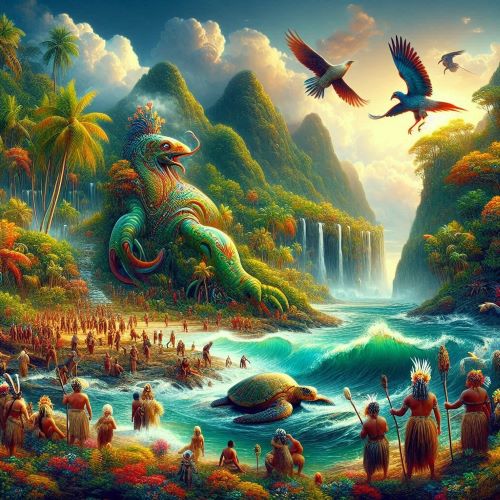
Kilyakai is a significant figure in Melanesian mythology, particularly among the cultures of the Solomon Islands and Vanuatu. This mythological character embodies various aspects of nature and human experience, often serving as a bridge between the earthly realm and the spiritual world. In many tales, Kilyakai is depicted as a trickster, a creator, and a teacher, which makes the stories surrounding him rich in cultural meaning and moral lessons. The legends of Kilyakai not only entertain but also educate the community about their values, traditions, and the natural world.
The Origins of Kilyakai
The stories of Kilyakai have been passed down through generations, often varying slightly from one community to another. Most of these narratives suggest that Kilyakai originated from the spirits of nature. Some legends state that he was born from the first rain, while others suggest he emerged from the depths of the ocean. This connection to both land and sea highlights Kilyakai’s dual nature and his role as a guardian of both environments. The diversity in these origins reflects the rich tapestry of Melanesian culture and its deep respect for the elements of nature.
 Kamarong
Kilyakai is often portrayed as a trickster figure, embodying qualities that challenge social norms and expectations. His stories frequently include cleverness and cunning, where he outsmarts other characters, including gods and humans. This trickster aspect serves a purpose beyond mere entertainment; it allows communities to explore complex themes such as morality, justice, and the unpredictability of life. Through Kilyakai’s antics, listeners learn that wisdom often comes from unexpected places and that humility is a virtue.
The Role of Kilyakai in Nature
In many tales, Kilyakai is closely associated with the natural world. He is often depicted as the protector of the forests, rivers, and seas, symbolizing the interconnectedness of all living things. This role emphasizes the importance of respecting nature, as Kilyakai’s actions can lead to either prosperity or calamity for the people. For instance, when Kilyakai is pleased, he brings bountiful harvests and calm seas, while his anger can result in storms and famine. This duality serves as a reminder to the community about the delicate balance between humanity and nature.
Kilyakai’s relationship with the environment is also expressed through various rituals and practices. Many communities hold ceremonies to honor him, seeking his favor for good weather and abundant resources. These rituals often involve offerings of food, dance, and music, creating a communal atmosphere that reinforces social bonds. Through these practices, the community acknowledges their dependence on nature and the importance of maintaining harmony with it.
 Kakamora
Myths and Legends of Kilyakai
Numerous myths and legends featuring Kilyakai illustrate his significance in Melanesian culture. One popular story recounts how Kilyakai taught the people how to fish. According to this tale, he transformed into a giant fish and swam in the ocean, guiding the fishermen to the best spots. After a successful catch, he revealed his true identity, teaching the community about gratitude and respect for the sea’s resources. This story not only showcases Kilyakai’s trickster nature but also emphasizes the importance of sustainable fishing practices.
Another well-known legend involves Kilyakai’s journey to the underworld. In this story, he descends to retrieve a stolen item that is crucial for the balance of the world. His cleverness and bravery enable him to outsmart the guardians of the underworld and bring back what was taken. This myth serves as a metaphor for the struggle between good and evil, highlighting the importance of courage and resilience in the face of adversity.
Kilyakai as a Cultural Symbol
 Kahausibware
Kilyakai is more than just a character in stories; he represents the values and beliefs of Melanesian societies. His tales often convey lessons about community, respect, and the natural world. By sharing these stories, elders pass down wisdom to younger generations, ensuring that cultural heritage is preserved. Kilyakai serves as a reminder of the importance of storytelling in maintaining cultural identity and fostering a sense of belonging.
In addition to his role in oral traditions, Kilyakai has also influenced various art forms within Melanesian cultures. His image can be found in carvings, paintings, and performances, often symbolizing the connection between the spiritual and physical worlds. These artistic expressions not only celebrate Kilyakai’s character but also reinforce the community’s values and beliefs. Through art, the stories of Kilyakai continue to thrive, resonating with both local and global audiences.
Modern Interpretations of Kilyakai
In contemporary times, Kilyakai’s influence can still be seen in various aspects of Melanesian culture. Many artists, musicians, and writers draw inspiration from his stories, creating new interpretations that resonate with modern audiences. This evolution of Kilyakai’s character demonstrates the adaptability of mythology, showing how traditional narratives can remain relevant in a changing world. As globalization continues to impact Melanesian societies, the stories of Kilyakai serve as a source of cultural pride and resilience.
Moreover, Kilyakai’s tales are increasingly being incorporated into educational curricula, helping younger generations understand their cultural heritage. Schools and community centers often organize storytelling sessions, workshops, and performances that highlight Kilyakai’s significance. These initiatives not only promote cultural awareness but also foster a sense of identity among the youth, encouraging them to take pride in their heritage.
The Significance of Kilyakai in Environmental Awareness
As concerns about environmental issues grow worldwide, Kilyakai’s connection to nature becomes increasingly relevant. His stories emphasize the importance of living in harmony with the environment and respecting the resources it provides. Many communities use Kilyakai’s narratives to teach about sustainability and conservation, highlighting the need for responsible stewardship of the land and sea. This emphasis on environmental awareness aligns with global efforts to combat climate change and preserve biodiversity.
Furthermore, Kilyakai’s role as a protector of nature encourages communities to engage in practices that benefit both people and the environment. Initiatives such as reforestation, sustainable fishing, and eco-tourism often draw upon the values embodied by Kilyakai. By integrating these cultural teachings into modern practices, communities can promote a sustainable future while honoring their rich heritage.
Challenges and Preservation of Kilyakai’s Legacy
Despite the enduring significance of Kilyakai in Melanesian culture, challenges exist in preserving his legacy. The influence of globalization and modernization has led to a decline in traditional storytelling practices. As younger generations become more immersed in technology and Western culture, there is a risk that the stories of Kilyakai may fade from memory. To combat this, communities are actively working to revitalize their cultural practices, ensuring that Kilyakai’s tales continue to be told.
Efforts to document and share these stories are also underway, with many communities recording oral histories and creating written accounts of Kilyakai’s legends. This documentation not only serves as a valuable resource for future generations but also allows for a broader audience to engage with Melanesian mythology. By sharing these stories through various mediums, including books, films, and social media, Kilyakai’s legacy can reach new heights, inspiring appreciation for Melanesian culture worldwide.
Kilyakai stands as a vital figure in Melanesian mythology, embodying the complexities of nature, morality, and community. His stories provide invaluable lessons that resonate across generations, highlighting the importance of respect for the environment and the interconnectedness of all life. As communities strive to preserve Kilyakai’s legacy in the face of modern challenges, his influence continues to inspire and educate, ensuring that the rich cultural heritage of Melanesia remains vibrant and alive.