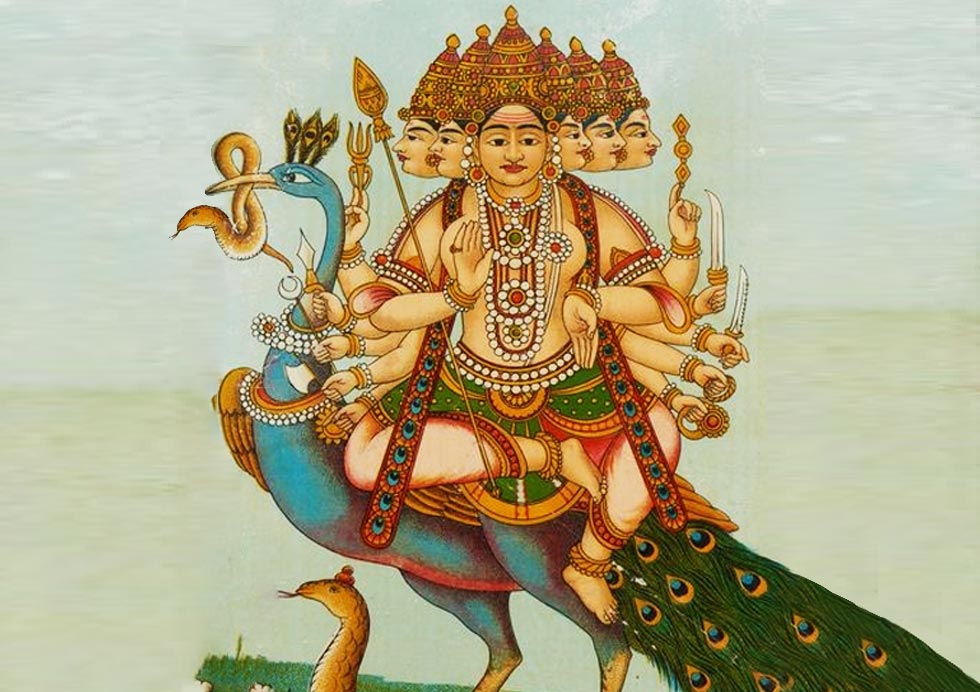
Kârttikeya, also known as Murugan or Skanda, is a significant deity in Hindu mythology. He is revered primarily in South India and is considered the god of war, victory, and wisdom. Kârttikeya is depicted as a youthful and handsome warrior, often riding a peacock and wielding a spear called vel. His stories are filled with themes of bravery, devotion, and the eternal battle between good and evil. Kârttikeya is the son of Shiva and Parvati, and his birth is surrounded by fascinating legends that highlight his divine origins and purpose.
Birth and Origins
The birth of Kârttikeya is a tale filled with divine intervention and cosmic significance. According to Hindu texts, he was born from the divine sparks emitted by Shiva during a moment of intense meditation. These sparks were collected by the Ganges River and transformed into six babies. In a miraculous turn of events, the six babies were united into one by the goddess Parvati, giving birth to Kârttikeya, the embodiment of all six. This unique origin symbolizes the union of various aspects of life, including strength, wisdom, and compassion.
 Karni Mata
Another version of his birth involves the need for a powerful warrior to defeat the demon Tarakasura, who had gained invincibility and was terrorizing the heavens. The gods, unable to defeat him, prayed to Brahma and Vishnu for assistance. They decided that Shiva’s son would be the one to vanquish the demon. This divine plan led to the birth of Kârttikeya, who was destined to restore balance and peace in the universe.
Symbolism and Iconography
Kârttikeya is rich in symbolism, which reflects his multifaceted nature. He is often depicted with six faces, representing his ability to see in all directions and symbolize his omniscience. Each face is associated with different attributes: wisdom, strength, courage, devotion, compassion, and victory. His six faces also connect him to the six Krittikas (the Pleiades), who nursed him as an infant, highlighting the nurturing aspect of his character.
His weapon, the vel, is a significant symbol of his divine power. The spear represents not just physical strength but also the ability to cut through ignorance and illusion. It is said that the vel is imbued with the energy of the goddess Parvati, signifying the union of maternal love and warrior spirit. Kârttikeya’s mount, the peacock, symbolizes beauty, grace, and the ability to rise above challenges, further emphasizing his role as a protector and leader in battle.
 Kamsa
KamsaLegends and Stories
The legends surrounding Kârttikeya are numerous and diverse, each illustrating different aspects of his character and divine purpose. One of the most popular tales involves his battle against Tarakasura. After his birth, Kârttikeya was trained in warfare by the gods, preparing him for the impending confrontation. The battle was fierce, and Kârttikeya’s bravery and strategic prowess ultimately led to his victory over the demon, restoring peace to the heavens and earning him great reverence among the gods and devotees.
Another significant story is that of Kârttikeya’s love for Valli and Devasena, two goddesses who symbolize different aspects of life. His courtship of Valli, a tribal princess, showcases his ability to connect with all beings, transcending social barriers. This story emphasizes the importance of love, respect, and mutual understanding in relationships. Kârttikeya’s marriage to Devasena, the daughter of the king of the gods, signifies his acceptance and recognition among the divine pantheon.
Key Legends
- Kârttikeya and Tarakasura: The battle against the demon, showcasing his warrior spirit.
- Valli and Kârttikeya: His love story that highlights his connection to humanity.
- Marriage to Devasena: A symbol of acceptance among the gods.
Festivals and Worship
Kârttikeya is celebrated in various festivals across India, particularly in South Indian states like Tamil Nadu and Kerala. One of the most significant festivals dedicated to him is Skanda Shashthi, which is observed with great enthusiasm. This festival marks the day Kârttikeya defeated Tarakasura and is celebrated by devotees through fasting, prayer, and elaborate rituals. Temples dedicated to Kârttikeya are adorned with flowers and lights, and processions often feature elaborate idols of the deity.
 Kamadhenu
Another important celebration is Thaipusam, which occurs during the full moon in the Tamil month of Thai. This festival commemorates Kârttikeya’s victory over evil and involves devotees performing acts of devotion, such as carrying kavadis (burdens) as a form of penance. The rituals during Thaipusam can be intense, symbolizing the deep devotion and commitment of his followers. Participants often engage in fasting, prayers, and even body piercings as a way to demonstrate their faith.
Temples Dedicated to Kârttikeya
Across India, numerous temples are dedicated to Kârttikeya, each showcasing unique architectural styles and cultural significance. One of the most famous temples is the Murugan Temple in Tiruchendur, Tamil Nadu. Located near the coast, this temple is known for its stunning views and intricate carvings. It is believed to be one of the oldest temples dedicated to Kârttikeya, attracting thousands of pilgrims each year who come to seek his blessings and pay homage to his valor.
Another prominent temple is the Palani Murugan Temple, which is situated atop a hill and is known for its vibrant festivals and rituals. This temple is particularly famous for the Paalani (a sweet milk offering) that is made to Kârttikeya. Pilgrims often undertake a challenging climb to reach the temple, signifying their devotion and commitment to the deity. The temple’s architecture and the surrounding landscape create a serene atmosphere for worship and reflection.
Famous Temples
- Tiruchendur Murugan Temple: An ancient coastal temple known for its stunning views.
- Palani Murugan Temple: Famous for its challenging climb and sweet offerings.
- Arupadai Veedu: The six abodes of Kârttikeya, each with its unique significance.
Influence on Culture and Art
Kârttikeya’s influence extends beyond religion and mythology into various aspects of culture and art. His stories have inspired countless works of literature, music, and dance. Traditional dance forms like Bharatanatyam and Kathakali often depict tales of Kârttikeya, showcasing his valor and divine attributes. These performances serve as a means of storytelling, preserving the rich cultural heritage associated with this deity.
In literature, Kârttikeya is a central figure in many ancient texts, including the Mahabharata and Skanda Purana. These texts explore his life, adventures, and teachings, offering valuable insights into the nature of good and evil, as well as the importance of righteousness. Through these stories, Kârttikeya is portrayed not just as a warrior but also as a teacher and guide, emphasizing the importance of wisdom and compassion in life.
Modern Interpretations and Relevance
In contemporary society, Kârttikeya continues to hold relevance and significance. His teachings about courage, wisdom, and the triumph of good over evil resonate with many people today. Various organizations and spiritual leaders promote his ideals, encouraging individuals to embody his virtues in their daily lives. The themes of justice, protection, and personal growth associated with Kârttikeya inspire individuals to overcome challenges and strive for a better life.
Additionally, Kârttikeya has gained recognition beyond traditional worship. He is often portrayed in modern media, including films, television shows, and literature, making him accessible to a broader audience. These portrayals help to keep his stories alive and relevant, fostering a deeper understanding of Hindu mythology and culture among younger generations.
Kârttikeya is a multifaceted deity whose stories and teachings continue to inspire and guide people in various aspects of life. His birth, symbolism, legends, and cultural influence all contribute to his status as a beloved figure in Hindu mythology. As a god of war and wisdom, Kârttikeya represents the eternal struggle between good and evil, reminding us of the importance of courage, devotion, and compassion in our lives.