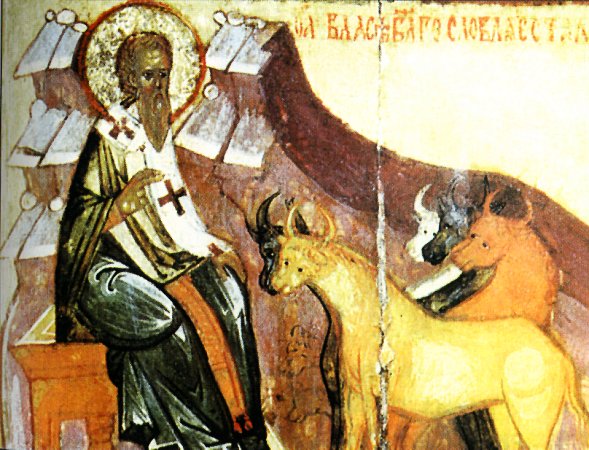
St. Blaise, known in Latin as St. Blasius, is a significant figure in Christian mythology and hagiography. He is celebrated as the patron saint of throat ailments and is invoked for protection against various illnesses. His feast day is observed on February 3rd, and he is often depicted in art with crossed candles, symbolizing his association with healing. The legend of St. Blaise is rich and varied, with many stories that have been passed down through generations. His life and martyrdom have inspired numerous traditions and practices in the Christian faith, particularly within the Catholic Church.
The Life of St. Blaise
St. Blaise was a bishop of Sebaste, which is located in modern-day Turkey. Historical records about his life are scarce, but he is believed to have lived during the early 4th century. His dedication to the Christian faith during a time of intense persecution is one of the defining features of his story. Blaise was known for his piety and miraculous healings, which attracted many followers. His compassionate nature and willingness to help those in need made him a beloved figure among the people. As a bishop, he worked tirelessly to spread the teachings of Christ and to care for his flock.
 St. Blane
According to tradition, Blaise was arrested during the reign of Emperor Licinius, who was notorious for his harsh treatment of Christians. While in prison, Blaise continued to perform miracles, which further solidified his reputation as a healer. One of the most famous stories involves a mother who brought her son to Blaise, who was choking on a fishbone. Blaise prayed over the boy, and the fishbone miraculously dislodged, saving the child’s life. This event contributed to Blaise’s association with throat health and healing, leading to his veneration as the patron saint of throat ailments.
Martyrdom of St. Blaise
The martyrdom of St. Blaise is a crucial aspect of his legacy. After enduring various tortures, he was ultimately sentenced to death. The methods of his execution varied in different accounts, but the most common story is that he was beheaded. His steadfast faith in the face of persecution has made him a symbol of courage for Christians. Many believers look to St. Blaise as an example of how to remain faithful under pressure and adversity. His story serves as a reminder of the sacrifices made by early Christians to uphold their beliefs.
During his martyrdom, it is said that Blaise was offered a chance to renounce his faith in exchange for his life. However, he refused, choosing instead to embrace his fate as a martyr for Christ. This unwavering commitment to his faith has inspired countless individuals throughout history. St. Blaise’s martyrdom is commemorated in various liturgical celebrations, where the faithful remember his sacrifice and seek his intercession for healing and protection.
 St. Beuno
Feast Day and Traditions
The feast day of St. Blaise is celebrated on February 3rd, and it is a significant occasion in many Christian communities, particularly within the Catholic Church. On this day, special masses are held to honor the saint, and many churches perform the traditional blessing of throats. During this ritual, two candles are crossed and held against the throats of the faithful while the priest invokes the intercession of St. Blaise. This practice symbolizes the healing power attributed to the saint and serves as a reminder of his compassion towards those suffering from throat ailments.
In addition to the blessing of throats, various cultural traditions have developed around St. Blaise’s feast day. In some regions, it is customary to prepare special foods, such as cakes or pastries, in honor of the saint. These foods are often shared among family and friends as a way to celebrate the occasion. Additionally, some communities hold processions or festivals to commemorate St. Blaise, featuring music, dancing, and prayer. These events help to strengthen the bonds of faith within the community and serve as a joyful reminder of St. Blaise’s enduring legacy.
St. Blaise in Art and Literature
St. Blaise has been a popular subject in art and literature throughout history. His image is often depicted in paintings, sculptures, and stained glass windows, showcasing his role as a healer and martyr. Artists frequently portray him with symbols of his miraculous deeds, such as the crossed candles or the fishbone. These artistic representations serve not only to honor St. Blaise but also to educate the faithful about his life and the miracles attributed to him.
 St. Bertrand
In literature, St. Blaise is often mentioned in hagiographies, which are biographies of saints that highlight their virtues and miraculous deeds. These texts serve to inspire readers and encourage them to seek the intercession of saints in their own lives. The stories of St. Blaise have been adapted into various forms, including plays, poems, and songs, reflecting his significance in Christian mythology. Through these artistic expressions, the legacy of St. Blaise continues to thrive, reaching new generations of believers.
The Patronage of St. Blaise
St. Blaise is recognized as the patron saint of several groups and professions. Most notably, he is the patron saint of throat illnesses, and many people turn to him for healing when suffering from ailments related to the throat. His intercession is sought not only for physical healing but also for spiritual protection. In various cultures, St. Blaise is also regarded as the patron saint of wool merchants and animals, particularly domesticated animals. This diverse patronage reflects the multifaceted nature of his legacy and the many ways in which he is revered by different communities.
The significance of St. Blaise’s patronage extends beyond individual healing. Many people believe that invoking his name can bring about blessings in various aspects of life. For example, farmers may pray to St. Blaise for the health of their livestock, while parents might seek his protection over their children. This broad appeal highlights the universal nature of St. Blaise’s message of compassion and healing, making him a beloved figure across different cultures and traditions.
Modern-Day Celebrations
In contemporary times, the legacy of St. Blaise continues to be celebrated in various ways. Many Catholic churches around the world still observe his feast day with special masses and blessings. The tradition of throat blessings remains popular, with congregants participating eagerly in this meaningful ritual. In addition to religious observances, some communities organize festivals and events that celebrate the life and miracles of St. Blaise, bringing people together in faith and joy.
Social media has also played a role in modern celebrations of St. Blaise. Many individuals and communities share prayers, stories, and reflections about the saint on platforms like Facebook and Instagram. This digital engagement helps to spread awareness of St. Blaise’s legacy and encourages a new generation to learn about and appreciate his contributions to Christian mythology. Through these modern adaptations, the spirit of St. Blaise continues to inspire and uplift people around the world.
Theological Significance of St. Blaise
The life and martyrdom of St. Blaise hold significant theological implications within the Christian faith. His unwavering commitment to Christ in the face of persecution serves as a powerful example for believers. St. Blaise’s story encourages Christians to remain steadfast in their faith, even when confronted with challenges or adversity. His legacy reminds the faithful of the importance of compassion, healing, and service to others, which are central tenets of Christianity.
Moreover, St. Blaise’s role as a healer connects to the broader theme of divine intervention in the lives of believers. His miracles and acts of compassion highlight the belief in God’s presence and action in the world. This theological understanding reinforces the idea that saints serve as intercessors between humanity and the divine, offering prayers and support to those in need. The veneration of St. Blaise thus embodies the belief that faith can lead to healing and restoration, both physically and spiritually.
Conclusion: The Enduring Legacy of St. Blaise
St. Blaise’s legacy endures through the traditions, prayers, and celebrations that honor his life and contributions to the Christian faith. His story of faith, healing, and martyrdom continues to inspire individuals and communities worldwide. As the patron saint of throat ailments and a symbol of courage, St. Blaise remains a significant figure in Christian mythology. The rituals and customs associated with him serve as a reminder of the power of faith and the importance of seeking divine assistance in times of need. Through the ongoing veneration of St. Blaise, his spirit lives on, encouraging believers to embody the virtues he exemplified throughout his life.