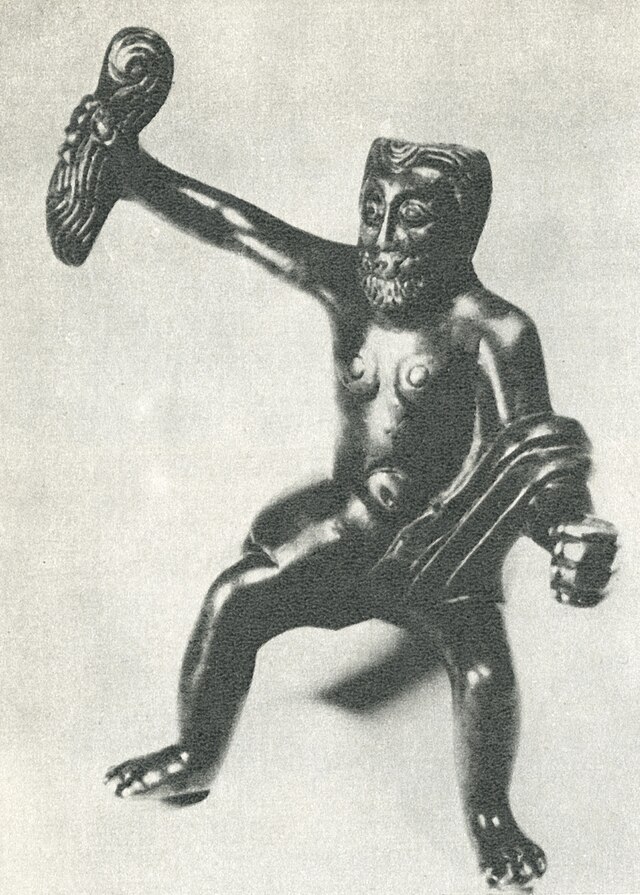
In Latvian mythology, Perkons is a significant deity, often associated with thunder, storms, and fertility. He is revered as the god of thunder and is considered one of the most powerful figures in the ancient Latvian pantheon. Perkons embodies the natural forces of the world, particularly those that bring both destruction and renewal. His presence is felt in the thunder that rumbles across the sky, the lightning that strikes the earth, and the rain that nourishes the crops. In many ways, Perkons represents the balance between chaos and order, a theme that is prevalent in various mythologies around the world.
Origins of Perkons
The origins of Perkons can be traced back to ancient Baltic traditions. Many scholars believe that the name Perkons is derived from the Proto-Baltic word for thunder. This connection emphasizes his role as the god of thunder, as well as his association with storms and the natural elements. In various legends, Perkons is depicted as a powerful figure who rides through the sky in a chariot, drawn by fierce horses. This imagery highlights his dominion over the weather and his ability to influence the natural world.
 Moschel
Perkons is often compared to other thunder deities from different cultures, such as Thor in Norse mythology and Zeus in Greek mythology. Like these figures, Perkons is not just a god of storms but also a protector of the people. He is seen as a warrior who fights against evil forces, such as velns or spirits that threaten humanity. This duality of being both a creator and a destroyer is a central theme in the mythology surrounding Perkons.
Symbolism of Perkons
Perkons is rich in symbolism, representing various aspects of life and nature. One of the most prominent symbols associated with him is the oak tree. In many cultures, the oak tree is considered sacred and is often linked to strength and endurance. In Latvian tradition, the oak is seen as a dwelling place for Perkons, where he resides and communicates with the natural world. The oak tree’s strong roots and towering presence symbolize stability and protection, much like Perkons himself.
Another significant symbol of Perkons is the thunderbolt. This powerful imagery is often depicted in art and folklore, representing his might and authority over storms. The thunderbolt is not just a weapon but also a tool for cleansing and purifying the earth. When Perkons strikes the ground, it is believed to rejuvenate the soil, making it fertile for crops and ensuring a bountiful harvest. This connection to agriculture further solidifies his importance in Latvian culture, where farming plays a crucial role in daily life.
 Meža Virs
Legends and Myths of Perkons
Many legends and myths surround Perkons, each illustrating his power and influence. One popular story tells of a battle between Perkons and the evil spirit velns. Velns, often depicted as a trickster figure, attempts to disrupt the harmony of nature and bring chaos to the world. In this tale, Perkons confronts Velns in a fierce storm, where thunder and lightning clash in a dramatic display. Ultimately, Perkons triumphs, restoring balance and order to the earth. This narrative serves as a reminder of the ongoing struggle between good and evil, a theme that resonates deeply in human experience.
Another myth recounts how Perkons created the first humans. According to this story, he descended from the heavens and molded the first people from clay, breathing life into them. This act of creation signifies his role as a life-giver and protector. In this context, Perkons is not just a deity of destruction but also one of nurturing and care. The people of Latvia would often pray to him for blessings, particularly during planting and harvesting seasons, seeking his favor for a successful crop yield.
Perkons in Latvian Culture
Perkons holds a special place in Latvian culture and folklore. His influence can be seen in various customs and traditions, particularly those related to agriculture. During the summer solstice, a celebration known as Jāņi takes place, where people honor the natural world and its cycles. This festival includes rituals to invoke Perkons’ blessings for a fruitful harvest. Participants may create bonfires, sing songs, and dance, all in hopes of pleasing the god of thunder.
 Meslu Mate
In addition to agricultural practices, Perkons is also celebrated in Latvian art and literature. Many folk songs and poems feature him as a central figure, illustrating his importance in the cultural narrative. Artists often depict scenes of Perkons wielding his thunderbolt, surrounded by nature, capturing the awe and reverence people feel towards him. This artistic representation reinforces his role as a powerful force in both the natural world and human life.
Modern Interpretations of Perkons
In contemporary Latvia, the legacy of Perkons continues to thrive. Many people still acknowledge the importance of nature and the elements, viewing Perkons as a symbol of strength and resilience. Environmental movements in Latvia often draw inspiration from ancient beliefs, emphasizing the need to respect and protect the natural world. Perkons serves as a reminder of the interconnectedness between humanity and nature, urging people to live in harmony with their surroundings.
Moreover, the figure of Perkons has been embraced by modern artists and musicians, who incorporate his imagery into their works. Festivals and events celebrating Latvian culture often feature themes related to Perkons, highlighting the enduring nature of these ancient beliefs. This revitalization of interest in mythology showcases the timeless relevance of Perkons and the lessons he embodies.
Perkons and Nature
Perkons is intrinsically linked to the natural world, representing the raw power of nature. Thunderstorms, which he governs, are seen as a vital part of the ecosystem. They bring much-needed rain, which nourishes the earth and sustains life. In this way, Perkons is not just a figure of destruction but also one of renewal and growth. The cycles of nature, including storms and sunshine, are essential for the balance of life, and Perkons symbolizes this dynamic relationship.
In traditional Latvian beliefs, it is said that when thunder rolls across the sky, it is Perkons communicating with the earth. This connection emphasizes the idea that nature is alive and that the forces of the natural world have their own rhythms and patterns. People would often listen to the sounds of thunder, interpreting them as messages from Perkons, urging them to pay attention to their surroundings and the changing seasons.
Rituals and Offerings to Perkons
Throughout history, various rituals and offerings have been made to honor Perkons. These practices often take place during significant agricultural events, such as planting and harvesting. Farmers would offer sacrifices, such as grain or animals, to seek Perkons’ favor and ensure a successful crop yield. These rituals were often accompanied by prayers and songs, invoking the god’s blessings for protection and abundance.
One common practice was to create a small altar or shrine dedicated to Perkons. These altars were often adorned with symbols associated with him, such as the oak leaves and thunderbolts. People would gather around these altars during storms, lighting candles and making offerings to appease the god. This act of devotion reflected their deep respect for the forces of nature and their belief in the protective power of Perkons.
The Legacy of Perkons in Latvian Identity
The legacy of Perkons is deeply woven into the fabric of Latvian identity. As a symbol of strength and resilience, he embodies the spirit of the Latvian people. The reverence for nature and the elements, which Perkons represents, is a significant aspect of Latvian culture. This connection to the land and its cycles fosters a sense of community and shared values among the people.
In modern Latvia, the stories and symbols of Perkons continue to inspire a sense of pride and cultural heritage. Festivals celebrating Latvian traditions often feature references to Perkons, reminding people of their roots and the importance of preserving their history. As Latvia navigates the complexities of modern life, the teachings of Perkons serve as a guiding force, encouraging respect for nature and the balance between humanity and the environment.
Perkons in Comparative Mythology
When examining Perkons within the context of comparative mythology, it is evident that many cultures have similar deities associated with thunder and storms. In Norse mythology, for instance, Thor wields a hammer that creates thunder and lightning, much like Perkons’ thunderbolt. Similarly, in Greek mythology, Zeus is known for his control over the sky and storms, using lightning as a weapon against his enemies.
These parallels highlight the universal themes present in human understanding of the natural world. The awe-inspiring power of thunder and storms has led cultures across the globe to personify these forces as deities. By studying these connections, we gain a deeper appreciation for the shared human experience and the ways in which different cultures interpret the mysteries of nature.
Perkons remains a vital figure in Latvian mythology, symbolizing the power of nature and the balance between chaos and order. His legacy is evident in cultural practices, artistic expressions, and modern interpretations of ancient beliefs. As Latvia continues to evolve, the teachings of Perkons serve as a reminder of the importance of respecting the natural world and the interconnectedness of all living things.