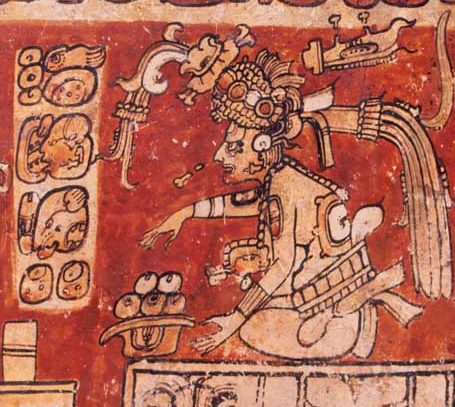
Itzam Cab, also known as Itzam Nah, is a significant figure in Maya mythology. He is often depicted as a powerful god associated with various aspects of life, nature, and the cosmos. In the rich tapestry of Maya beliefs, Itzam Cab holds a unique position, embodying the duality of creation and destruction. His stories and representations reflect the complex relationship the Maya had with their environment and the universe. The narratives surrounding Itzam Cab reveal a deep understanding of the natural world, as well as the spiritual connections that the Maya people maintained with their deities.
The Role of Itzam Cab in Maya Mythology
In Maya mythology, Itzam Cab is often recognized as a creator god. He is one of the principal deities responsible for the creation of the world and humanity. His influence is seen in various myths that describe the formation of the earth, the sky, and all living things. Itzam Cab’s role as a creator emphasizes the importance of nature in Maya culture. The people viewed the world around them as a manifestation of the gods’ will, and Itzam Cab was central to these beliefs.
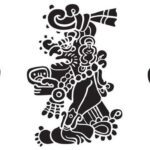 Hunab Ku
Itzam Cab is also associated with wisdom and knowledge. He is often depicted as a god who imparts understanding to humans, guiding them in their pursuits of agriculture, medicine, and other vital aspects of life. This connection to wisdom highlights the significance of education and learning in Maya society. The teachings attributed to Itzam Cab were essential for the survival and prosperity of the Maya people, as they relied heavily on their knowledge of the land and its resources.
Attributes and Symbols
- Serpent imagery: Itzam Cab is frequently represented with serpent-like features, symbolizing his connection to the earth and the underworld.
- Colors: The color blue is often associated with Itzam Cab, representing water and fertility, crucial elements for agricultural societies.
- Weather phenomena: He is sometimes linked to storms and rain, reflecting the importance of these elements for crop growth.
Itzam Cab’s attributes also include his dual nature. He embodies both the creative and destructive forces of the universe. This duality is a recurring theme in many Maya myths, where gods often possess conflicting qualities. Itzam Cab’s ability to create life while also having the power to destroy it illustrates the balance that exists in nature. This balance was vital for the Maya, who understood that both creation and destruction are necessary for the cycle of life.
Mythological Narratives Involving Itzam Cab
Many myths in Maya culture feature Itzam Cab as a central character. One prominent story tells of the creation of the world, where Itzam Cab, along with other gods, worked together to shape the earth. This narrative emphasizes the collaborative nature of creation, suggesting that no single deity could achieve it alone. Instead, it required the combined efforts of multiple gods, each contributing their unique abilities and attributes.
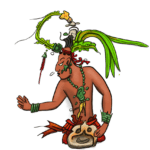 Hun-ixim
Another significant myth involves Itzam Cab and the origins of maize, a staple crop for the Maya. In this story, Itzam Cab is credited with teaching humanity how to cultivate maize, which was considered a sacred plant. The ability to grow maize was essential for the survival of the Maya people, and Itzam Cab’s role in this myth highlights his importance as a provider and protector. This narrative underscores the deep connection between the Maya and their agricultural practices, as well as the reverence they held for the gods who guided them.
Itzam Cab’s Relationships with Other Deities
- Goddess Ix Chel: Itzam Cab is often associated with Ix Chel, the goddess of fertility and medicine. Together, they represent the balance of life and health.
- God of War: Itzam Cab’s relationship with war deities reflects the dual nature of creation and destruction, showing how both are intertwined in the universe.
- Other creator gods: Itzam Cab is often mentioned alongside other creator gods, emphasizing the communal aspect of their roles in mythology.
Itzam Cab’s relationships with other deities further illustrate the interconnectedness of Maya mythology. His interactions with goddesses like Ix Chel highlight the importance of fertility and health in Maya culture. Together, they represent the cycle of life, where creation leads to sustenance and growth. This connection is vital, as it reflects the Maya’s reliance on the gods for their well-being and prosperity.
Cultural Significance of Itzam Cab
The worship of Itzam Cab played a crucial role in Maya society. Temples and shrines were dedicated to him, where rituals and ceremonies took place to honor his contributions to creation and agriculture. These practices were essential for maintaining a harmonious relationship with the gods, as the Maya believed that appeasing their deities would ensure bountiful harvests and protection from natural disasters.
 Hun-chowen
Additionally, Itzam Cab’s influence extended beyond agriculture. He was also associated with the heavens and celestial bodies, linking him to the cosmic order. The Maya were keen astronomers, and their observations of the stars and planets were often tied to their religious beliefs. Itzam Cab’s role in the cosmos reinforced the idea that the divine was intricately connected to the natural world, guiding the Maya in their understanding of the universe.
Rituals and Offerings
- Harvest festivals: These celebrations were dedicated to Itzam Cab, where the community would come together to give thanks for the crops.
- Offerings of maize: Maize was often presented as an offering, symbolizing its importance in sustaining life.
- Prayers for rain: Given his association with storms, prayers for rain were common during dry seasons.
Rituals and offerings to Itzam Cab were integral to Maya life. Harvest festivals, for instance, served as a communal expression of gratitude for the sustenance provided by the earth. During these celebrations, the Maya would come together to share food, dance, and engage in various activities that strengthened their bonds as a community. Such events not only honored Itzam Cab but also reinforced the social fabric of Maya society.
Artistic Representations of Itzam Cab
Itzam Cab has been depicted in various forms of Maya art, including pottery, murals, and carvings. These artistic representations often highlight his attributes and stories. For instance, many depictions showcase his serpent-like features, symbolizing his connection to the earth and the underworld. The intricate designs and vibrant colors used in these artworks reflect the artistic prowess of the Maya and their deep reverence for their gods.
Maya murals often depict scenes involving Itzam Cab, illustrating key moments from the myths associated with him. These visual narratives served not only as decoration but also as a means of educating the community about their beliefs and traditions. Through these artistic expressions, the stories of Itzam Cab were preserved and passed down through generations, ensuring that the importance of this deity remained alive in the hearts and minds of the Maya people.
Significance of Symbolism in Art
- Serpent symbolism: Represents the earth and the underworld, emphasizing the duality of creation.
- Color choices: The use of blue symbolizes water and fertility, linking Itzam Cab to agriculture.
- Cultural narratives: Art serves as a medium to convey important cultural stories and values.
The symbolism found in the artistic representations of Itzam Cab is profound. The serpent imagery is particularly significant, as it embodies the dual nature of the god and the interconnectedness of life and death. The color blue, often associated with water, reinforces the vital role that rain and fertility played in the agricultural practices of the Maya. Through these symbols, the Maya were able to communicate complex ideas about their beliefs, values, and relationship with the natural world.
Modern Interpretations and Legacy
Today, Itzam Cab continues to be a figure of interest for scholars and enthusiasts of Maya culture. His stories and attributes have been studied extensively, shedding light on the rich mythology of the Maya civilization. In modern times, there has been a resurgence of interest in indigenous cultures, and Itzam Cab has become a symbol of cultural pride for many Maya descendants.
Furthermore, the stories of Itzam Cab are often included in educational materials aimed at teaching about the Maya civilization. By incorporating these narratives into contemporary discussions, there is a renewed appreciation for the complexity and richness of Maya mythology. This resurgence helps preserve the cultural heritage of the Maya people and ensures that future generations continue to learn about their history and beliefs.
Influence on Popular Culture
- Literature: Modern authors often draw inspiration from Maya mythology, including Itzam Cab in their works.
- Film and media: Various films and documentaries explore Maya culture, featuring Itzam Cab as a prominent figure.
- Art and fashion: Contemporary artists and designers incorporate Maya motifs, including depictions of Itzam Cab.
The influence of Itzam Cab extends beyond academic circles into popular culture. Literature has seen a rise in narratives that weave in elements of Maya mythology, making Itzam Cab a character that resonates with readers. Films and documentaries have also explored the rich stories of the Maya, bringing attention to figures like Itzam Cab and their significance. Additionally, contemporary artists and designers are increasingly using Maya motifs in their work, ensuring that the legacy of Itzam Cab continues to thrive in modern expressions of creativity.