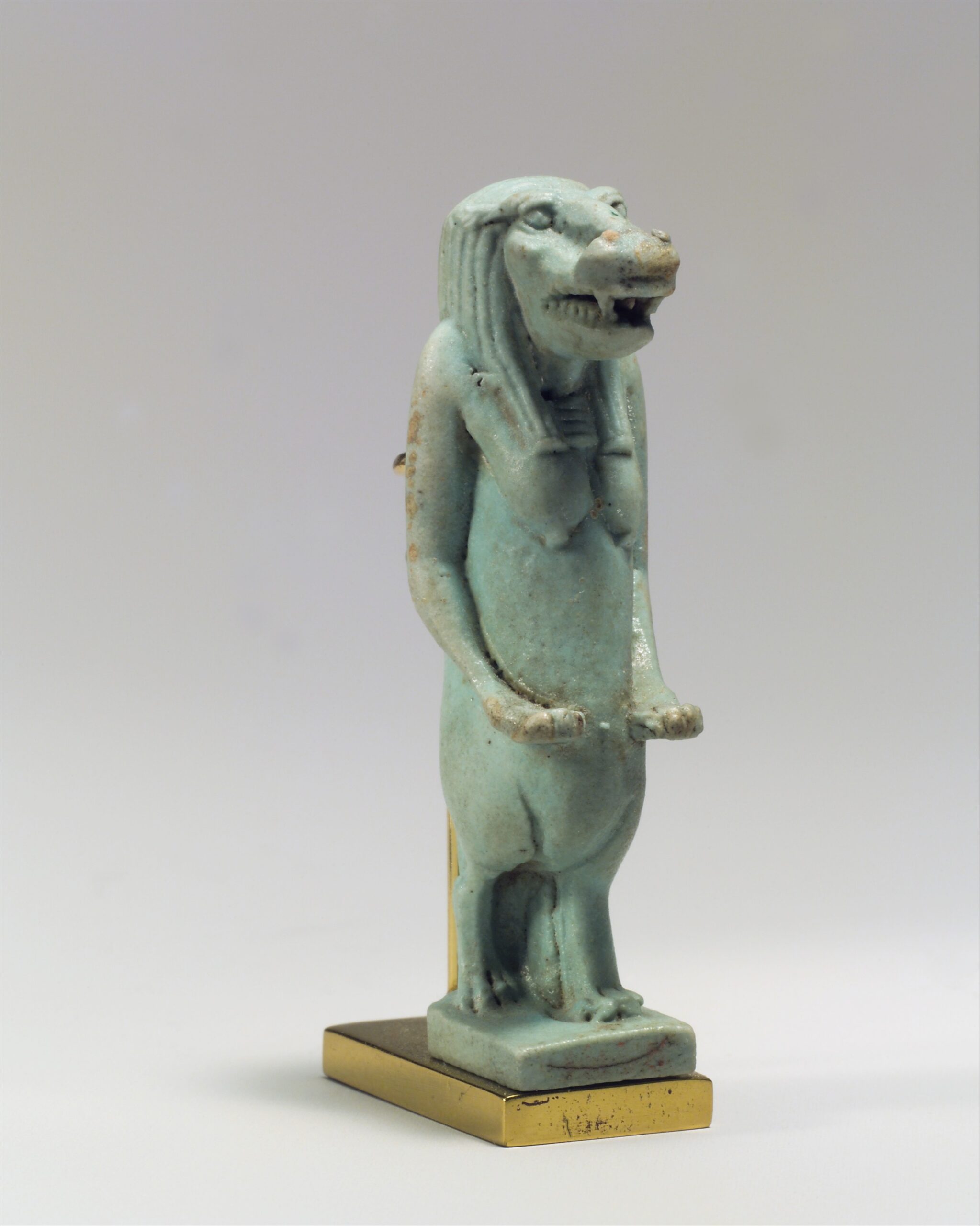
In Egyptian mythology, the term Ipet refers to a significant goddess associated with fertility, motherhood, and the nurturing aspects of life. She is often depicted as a woman with the head of a lioness, symbolizing her strength and protective nature. Ipet is closely linked to the concept of abundance and is revered for her role in ensuring the growth and well-being of children and families. Her presence in ancient Egyptian culture highlights the importance of fertility and the protection of the home, making her a vital figure in the pantheon of deities.
The Origins of Ipet
The origins of Ipet can be traced back to the early periods of Egyptian history, where she was venerated as a goddess of the earth and nature. Ancient Egyptians believed that she played a crucial role in the cycle of life, particularly in agriculture and childbirth. Ipet’s association with the earth made her a symbol of fertility, as she was thought to bless the land with richness and vitality. The Egyptians often honored her with offerings and rituals, particularly during the planting and harvest seasons, to ensure a bountiful yield.
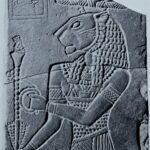 Apedemak
Ipet is also linked to the Hathor cult, as both goddesses share similar attributes and functions related to fertility and motherhood. This connection illustrates the complex web of relationships among Egyptian deities, where many gods and goddesses often overlapped in their roles and responsibilities. As a result, Ipet’s significance grew over time, with her worship expanding beyond local communities to become recognized in broader Egyptian society.
Iconography and Symbolism
The iconography of Ipet is rich and varied, reflecting her multifaceted nature as a goddess. She is frequently depicted in a variety of forms, including a seated woman with a lioness head, which emphasizes her strength and protective qualities. Her imagery often includes symbols of fertility, such as lotus flowers and papyrus plants, both of which are associated with rebirth and regeneration in Egyptian culture. The lotus, in particular, is a powerful symbol of creation and new beginnings, making it a fitting representation of Ipet’s role as a nurturing deity.
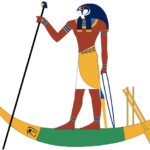 Anti
AntiAdditionally, Ipet is sometimes shown with a sistrum, a musical instrument that was commonly associated with the goddess Hathor. This connection underscores the celebratory aspects of fertility and motherhood, as music and dance were integral to religious rituals in ancient Egypt. The use of the sistrum in her depictions highlights the joyous nature of her worship, as followers would often engage in festivities to honor her and seek her blessings.
Worship and Rituals
The worship of Ipet involved various rituals and ceremonies aimed at invoking her favor and protection. One of the most common practices was the offering of food and drink, which were placed at altars dedicated to the goddess. These offerings typically included items such as bread, beer, and fruits, symbolizing the abundance and nourishment she provided to her followers. Families would often gather to participate in these rituals, emphasizing the communal aspect of her worship and the importance of family in ancient Egyptian society.
In addition to personal offerings, larger festivals were held in honor of Ipet, particularly during the agricultural calendar. These events included processions, music, and dance, creating a festive atmosphere where the community could come together to celebrate their goddess. During these festivals, priests and priestesses would perform rituals that included prayers and invocations, seeking Ipet’s blessings for fertility, health, and prosperity.
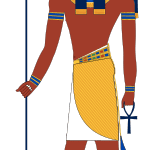 Anubis
Myths and Stories
Like many deities in Egyptian mythology, Ipet is associated with various myths and stories that illustrate her powers and significance. One popular tale involves her role as a protector of mothers and children during childbirth. In this myth, Ipet is depicted as a fierce guardian who watches over women in labor, ensuring their safety and the health of their newborns. This story underscores her importance as a maternal figure and highlights the reverence ancient Egyptians had for the process of childbirth.
Another myth portrays Ipet as a nurturing goddess who aids in the growth of crops and the sustenance of families. In this narrative, she is shown bestowing blessings upon farmers, helping them achieve a successful harvest. This aspect of her mythology emphasizes the connection between fertility and the land, illustrating how Ipet was not only a protector of families but also a vital force in the agricultural practices of ancient Egypt. Such stories reinforced the idea that the well-being of the community was intertwined with the blessings of the gods.
Modern Interpretations and Influence
In contemporary times, the legacy of Ipet continues to influence various aspects of culture and spirituality. Many people interested in ancient Egyptian mythology have rediscovered her significance as a goddess of fertility and motherhood. This renewed interest has led to a resurgence in the practice of honoring Ipet, with modern rituals and ceremonies inspired by ancient traditions. Some individuals create altars dedicated to her, incorporating symbols such as lotus flowers and images of lionesses to evoke her protective qualities.
The influence of Ipet can also be seen in art and literature, where her character is often explored in various forms. Artists depict her in paintings, sculptures, and other creative works, capturing her essence as a nurturing and powerful goddess. Writers and poets draw inspiration from her myths, weaving her stories into modern narratives that explore themes of fertility, motherhood, and the connection between humans and the natural world. Through these creative expressions, Ipet’s legacy continues to thrive, reminding us of the enduring power of ancient myths.
Ipet stands as a significant figure in Egyptian mythology, representing the essential themes of fertility, motherhood, and protection. Her origins, iconography, and the rituals associated with her worship reveal the deep reverence ancient Egyptians held for the nurturing aspects of life. Through myths and stories, Ipet’s character embodies the ideals of family, community, and the interconnectedness of humanity with the earth. As modern interpretations and influences continue to emerge, Ipet remains a timeless symbol of strength and nurturing in the tapestry of mythology.