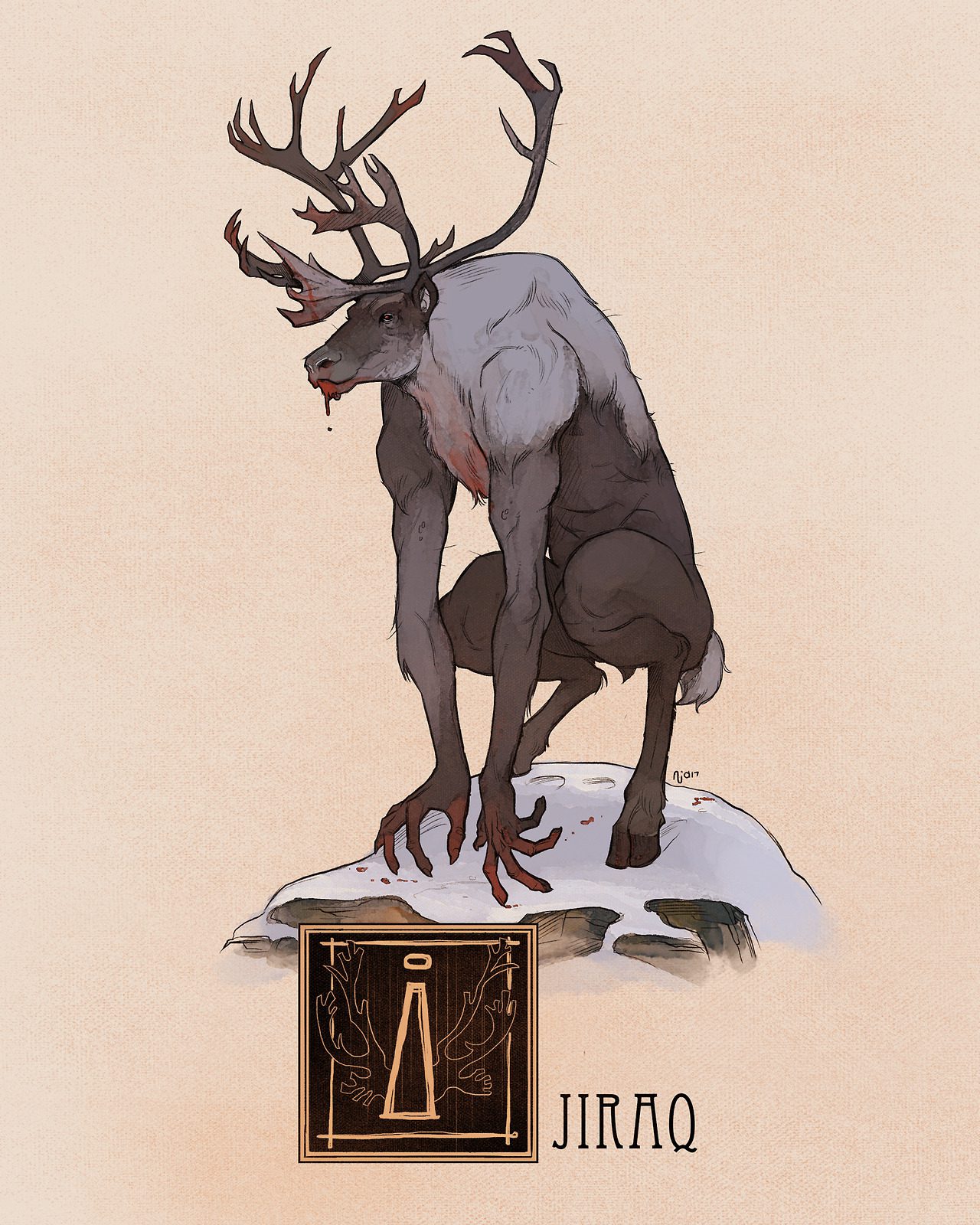
The Ijiraq is a fascinating creature from Inuit mythology, known for its elusive nature and ability to shapeshift. This mythical monster is said to inhabit the vast and icy landscapes of the Arctic regions. According to Inuit folklore, the Ijiraq can change its form to confuse and mislead those who encounter it. This ability to transform is not just a simple trick; it serves a deeper purpose in the tales shared by the Inuit people. The Ijiraq is often described as a creature that can take on the appearance of a human, an animal, or even an inanimate object, making it a master of disguise.
Origins of the Ijiraq
The stories of the Ijiraq have been passed down through generations, originating from the Inuit tribes of Canada, Alaska, and Greenland. The word “Ijiraq” itself has various interpretations, often translating to “one who causes you to lose your way.” This name reflects the creatures primary role in folklore, which is to lead travelers astray in the harsh Arctic environment. The origins of the Ijiraq are deeply rooted in the survival stories of the Inuit, where understanding the land and its dangers was crucial for survival.
 Mahaha
Inuit mythology is rich with tales that explain the natural world, and the Ijiraq is no exception. It is believed that the creature was created to teach humans about the importance of respecting the land and the spirits that inhabit it. The Ijiraq serves as a reminder of the potential dangers that lurk in the wilderness, encouraging people to stay vigilant and connected to their surroundings. The stories often highlight the consequences of losing ones way, emphasizing the need for guidance and wisdom in navigating the harsh Arctic landscape.
Characteristics of the Ijiraq
The Ijiraq is often depicted as a tall, slender figure, resembling a human but with animalistic features. Its appearance can vary greatly depending on the story being told. Some tales describe it with shaggy fur, sharp claws, and glowing eyes, while others portray it as a shadowy figure that blends seamlessly into the surroundings. This variability adds to the mystery and intrigue surrounding the Ijiraq, making it a captivating subject in Inuit folklore.
- Shapeshifting: The ability to change form is the Ijiraqs most defining characteristic.
- Elusiveness: The creature is known for its ability to evade capture and trick those who seek it.
- Connection to Nature: The Ijiraq is deeply connected to the natural world and the spirits that inhabit it.
In addition to its physical characteristics, the Ijiraq is often described as possessing a cunning intelligence. This intelligence allows it to outsmart those who encounter it, often leading them into dangerous situations. The tales of the Ijiraq serve as cautionary stories, warning individuals to be aware of their surroundings and to respect the power of nature. This combination of physical traits and cunning behavior makes the Ijiraq a formidable figure in Inuit mythology.
 Torngarsak
The Role of the Ijiraq in Inuit Culture
The Ijiraq plays a significant role in Inuit culture, serving as both a cautionary tale and a symbol of the unknown. Many stories featuring the Ijiraq emphasize the importance of community and cooperation, highlighting how individuals must work together to navigate the challenges of their environment. The creatures ability to lead people astray can be seen as a metaphor for the challenges faced by the Inuit people, reminding them of the importance of unity and support.
Inuit elders often use stories of the Ijiraq to teach younger generations about the dangers of the wilderness. These tales are not just about the creature itself but also about the lessons learned from encounters with it. They emphasize the need for respect, humility, and understanding of the natural world. Through these stories, the Ijiraq becomes a powerful teaching tool, instilling values that are crucial for survival in the Arctic.
Stories and Legends
Many stories about the Ijiraq have been shared over the years, each with its own unique twist. One common theme is that of a hunter who encounters the Ijiraq while searching for food. In these tales, the hunter often becomes lost or disoriented due to the Ijiraqs trickery. The story usually ends with the hunter learning a valuable lesson about the importance of listening to the wisdom of elders and respecting the land.
 Tekkeitsertok
- The Lost Hunter: A tale of a hunter who becomes lost and must find his way back with the help of his community.
- The Trickster: Stories of the Ijiraq playing tricks on unsuspecting travelers, teaching them to be cautious.
- The Guardian: In some tales, the Ijiraq is seen as a protector of the land, ensuring that humans do not take more than they need.
These stories often feature elements of adventure, suspense, and moral lessons, making them engaging for listeners of all ages. The Ijiraqs ability to shapeshift adds an element of surprise, keeping the audience on the edge of their seats. Through storytelling, the Ijiraq becomes a character that embodies both danger and wisdom, reminding the Inuit people of the complexities of their environment.
Modern Interpretations of the Ijiraq
In recent years, the Ijiraq has gained attention beyond traditional Inuit culture, appearing in various forms of media, including literature, art, and even film. Modern interpretations often explore the themes of identity, transformation, and the relationship between humans and nature. Artists and writers draw inspiration from the Ijiraqs shapeshifting abilities, using them as a metaphor for personal growth and change.
In literature, the Ijiraq has been featured in stories that highlight the struggles of indigenous peoples in contemporary society. These narratives often reflect the challenges faced by the Inuit as they navigate the complexities of modern life while maintaining their cultural heritage. By incorporating the Ijiraq into these stories, authors create a bridge between traditional folklore and contemporary issues, allowing readers to connect with the past while reflecting on the present.
Artistic Representations
Artists have also embraced the Ijiraq as a subject in their work, using various mediums to capture its essence. Traditional Inuit art often features themes from mythology, and the Ijiraq is no exception. Sculptures, paintings, and carvings depict the creature in its many forms, showcasing the artistic talent of the Inuit people. These representations serve not only as a celebration of culture but also as a reminder of the stories that have shaped their identity.
- Visual Art: Artists create paintings and sculptures that depict the Ijiraq in various forms.
- Literature: Modern authors weave tales featuring the Ijiraq, exploring themes of identity and nature.
- Film and Media: The Ijiraq has been referenced in films and documentaries, bringing attention to Inuit culture.
Through these artistic interpretations, the Ijiraq continues to evolve, reflecting the changing perspectives of the Inuit people and their relationship with the world around them. The creature serves as a powerful symbol of resilience, adaptability, and the importance of storytelling in preserving culture.
The Ijiraq in Popular Culture
The Ijiraq has made its way into popular culture, capturing the imagination of people around the world. Its unique characteristics and rich mythology have inspired various adaptations in books, films, and television shows. These modern portrayals often take creative liberties, blending traditional elements with contemporary themes to engage a wider audience.
In films, the Ijiraq is sometimes depicted as a mystical creature that aids or hinders the protagonists journey. This portrayal can vary from a malevolent trickster to a benevolent guardian of the Arctic. By reinterpreting the Ijiraq in this way, filmmakers can explore deeper themes of environmentalism, identity, and the human connection to nature. Such representations contribute to a growing interest in indigenous myths and their relevance in todays world.
Literature and Storytelling
In literature, the Ijiraq often appears in fantasy novels and young adult fiction, where its shapeshifting abilities can be used to create exciting plot twists and character developments. Authors may draw upon the creatures mythological roots while infusing their stories with modern sensibilities, making the Ijiraq accessible to new generations of readers. These narratives not only entertain but also educate readers about Inuit culture and the significance of storytelling.
- Fantasy Novels: The Ijiraq appears as a character in fantasy stories, often with magical abilities.
- Young Adult Fiction: Authors introduce the Ijiraq to younger audiences, fostering an interest in mythology.
- Anthologies: Collections of stories may include tales of the Ijiraq, preserving its legacy.
Through literature and storytelling, the Ijiraq continues to inspire creativity and curiosity, encouraging readers to explore the rich tapestry of Inuit mythology. By weaving the Ijiraq into contemporary narratives, authors and storytellers ensure that this mythical creature remains a relevant and engaging part of cultural discussions.
Lessons from the Ijiraq
The tales of the Ijiraq offer valuable lessons that extend beyond the realm of mythology. One of the primary lessons is the importance of awareness and respect for nature. The Ijiraqs ability to lead individuals astray serves as a reminder that the natural world is full of both beauty and danger. By acknowledging this duality, individuals can cultivate a deeper understanding of their environment and the need to coexist harmoniously with it.
Another lesson inherent in the stories of the Ijiraq is the significance of community. Many tales emphasize the idea that individuals must rely on one another for guidance and support. In a world that can often feel isolating, these stories encourage people to build connections and foster relationships. The Ijiraq serves as a symbol of the challenges that can arise when one becomes disconnected from their community and the land.
Respecting Cultural Heritage
The Ijiraq also highlights the importance of preserving cultural heritage. As modern interpretations of the creature emerge, it is essential to honor the original stories and the wisdom they impart. By engaging with these tales, individuals can gain a greater appreciation for the rich traditions of the Inuit people and the significance of storytelling in their culture. This respect for cultural heritage fosters a sense of understanding and connection among diverse communities.
- Awareness: Understanding the dangers of nature and the importance of vigilance.
- Community: Emphasizing the need for support and cooperation among individuals.
- Cultural Preservation: Recognizing the value of traditional stories and their relevance today.
In essence, the Ijiraq serves as a powerful reminder of the lessons embedded in mythology. By reflecting on these stories, individuals can cultivate a greater sense of respect for the world around them and the cultures that shape our understanding of it.
The Ijiraqs Legacy
The legacy of the Ijiraq continues to thrive, with its stories being shared and celebrated by both Inuit and non-Inuit communities. As interest in indigenous cultures grows, the Ijiraq has become a symbol of the rich tapestry of myths and legends that exist around the world. Its unique characteristics and captivating tales resonate with people from various backgrounds, fostering a sense of curiosity and appreciation for cultural diversity.
Inuit communities actively work to preserve their cultural heritage, ensuring that stories of the Ijiraq and other mythical creatures are passed down to future generations. Through storytelling, art, and education, the legacy of the Ijiraq remains alive, inspiring new interpretations and adaptations. This ongoing engagement with the creatures mythology not only honors the past but also enriches contemporary cultural discourse.
Continuing the Tradition
As the world evolves, so too does the understanding of myths like the Ijiraq. New generations of storytellers, artists, and creators are finding innovative ways to incorporate the Ijiraq into their work, breathing new life into ancient tales. This evolution is essential for keeping the stories relevant and engaging, allowing them to resonate with audiences today.
- Storytelling Workshops: Initiatives that teach young people about Inuit myths and encourage them to create their own stories.
- Art Exhibitions: Showcasing contemporary interpretations of the Ijiraq in various artistic forms.
- Community Events: Celebrating Inuit culture through festivals that highlight traditional stories and practices.
Through these efforts, the Ijiraq continues to serve as a bridge between the past and the present, connecting individuals to their cultural roots while inspiring them to explore new creative avenues. The legacy of the Ijiraq is not just a reflection of Inuit mythology but a testament to the enduring power of storytelling and the importance of preserving cultural heritage.