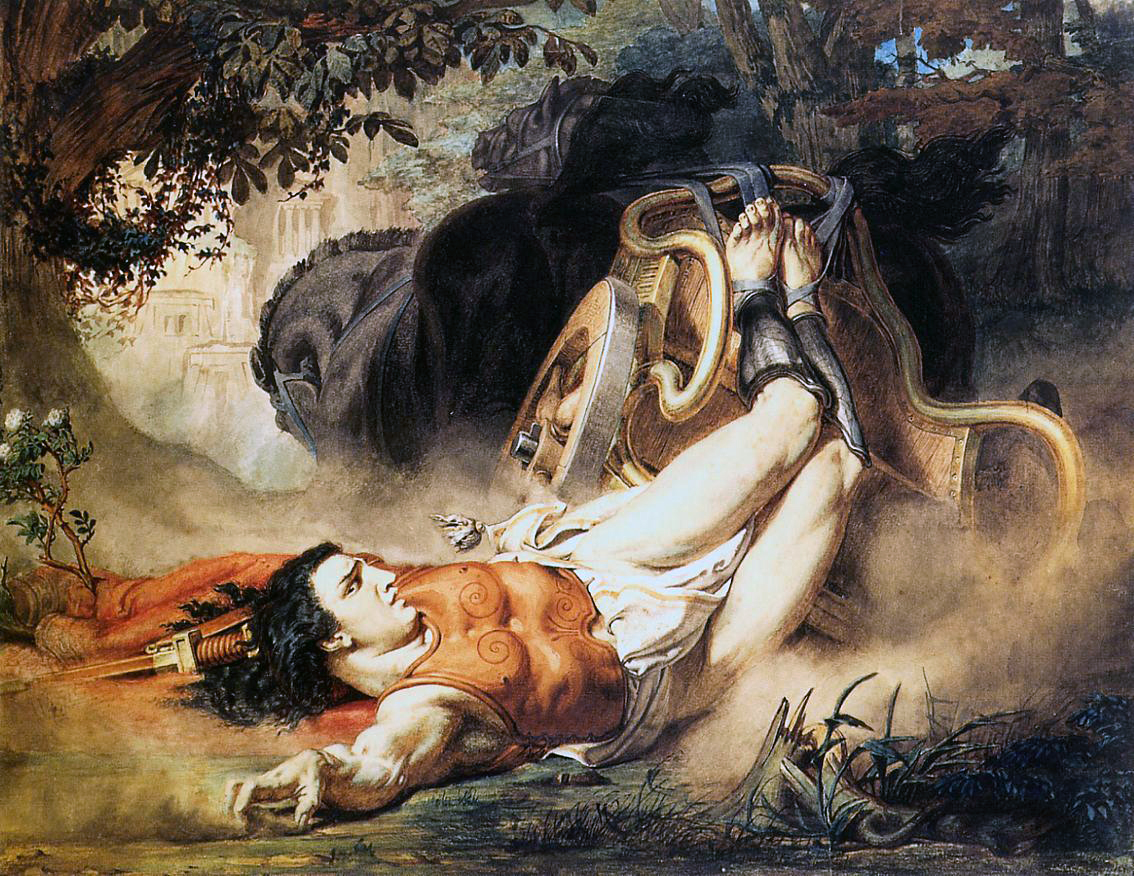
In Greek mythology, the tale of Hippolytus is one filled with themes of love, betrayal, and tragic fate. Hippolytus is known as the son of Theseus, the legendary king of Athens, and Aphrodite, the goddess of love. His story unfolds in various ancient texts, particularly in the plays of Euripides. The narrative highlights the complex relationships between gods and mortals, illustrating how divine intervention can lead to disastrous outcomes for human beings.

The Birth of Hippolytus
The story of Hippolytus begins with his birth. He is the son of Theseus and his second wife, Hippolyta, the queen of the Amazons. According to mythology, Theseus fell in love with Hippolyta and they had a son named Hippolytus. However, after the death of Hippolyta, Theseus became involved with another woman, Phaedra, who would play a crucial role in Hippolytus’ tragic story. The relationship between Hippolytus and his father was complicated, as Theseus had to balance his duties as a king with his role as a father.
Hippolytus was raised in the spirit of the Amazons, embracing a life dedicated to hunting and chastity. He rejected the traditional roles expected of young men, particularly the pursuit of women. This choice angered Aphrodite, the goddess of love, who felt scorned by Hippolytus’ disdain for love and desire. In retaliation, she decided to punish him, setting off a chain of events that would lead to tragedy.
The Role of Aphrodite
Aphrodite’s role in the story of Hippolytus is pivotal. Feeling insulted by Hippolytus’ rejection of love, she decided to take matters into her own hands. To teach him a lesson, she made Phaedra, his stepmother, fall deeply in love with him. This love was not pure; it was a result of divine manipulation. Phaedra found herself consumed by desire for Hippolytus, which led to a series of tragic events.
 Hyacinthus
When Phaedra confessed her feelings to Hippolytus, he was horrified and rejected her advances. His refusal only intensified Phaedra’s emotional turmoil, leading her to feel shame and despair. In ancient Greece, a woman’s honor was deeply tied to her relationships with men, and Phaedra felt that she had been dishonored by her unrequited love. The conflict between the desires of the gods and the free will of mortals is a recurring theme in Greek mythology, and the story of Hippolytus is a prime example of this struggle.
Phaedra’s Despair
Phaedra’s emotional state deteriorated as she grappled with her feelings for Hippolytus. Unable to cope with the rejection and the societal expectations placed upon her, she fell into a deep depression. In her despair, she decided to take drastic measures to escape her anguish. Phaedra chose to accuse Hippolytus of assault, hoping to shift the blame away from herself and onto her stepson. This accusation would have dire consequences for Hippolytus, as it invoked the wrath of Theseus.
The tragic nature of Phaedra’s actions reflects the themes of honor and reputation in Greek society. For women, being associated with scandal or dishonor could lead to severe repercussions. Phaedra’s decision to lie about Hippolytus was a desperate attempt to save her own honor, but it ultimately led to the destruction of both their lives. This part of the story underscores the idea that the consequences of one’s actions, especially when driven by passion or desperation, can be catastrophic.
 Hyades
The Wrath of Theseus
When Theseus learned of Phaedra’s accusations against Hippolytus, he was consumed by rage. Theseus, a strong and powerful king, felt betrayed by his son, whom he believed had violated his wife. In his anger, he called upon Poseidon, the god of the sea, to punish Hippolytus. This invocation of divine retribution showcases the belief in the gods’ influence over human affairs in Greek mythology.
Theseus’ reaction to the situation illustrates the complexity of father-son relationships in Greek mythology. While Theseus loved Hippolytus, his anger clouded his judgment. He failed to see the truth behind Phaedra’s accusations and instead chose to believe his wife. This tragic miscommunication led to dire consequences, as Hippolytus was forced to flee from the wrath of his father, marking the beginning of his tragic downfall.
The Tragic Death of Hippolytus
The climax of Hippolytus’ story comes with his tragic death. After fleeing from Theseus, Hippolytus was pursued by a monstrous bull sent by Poseidon. The bull, a manifestation of divine wrath, caused Hippolytus to fall from his chariot and suffer fatal injuries. This moment highlights the theme of fate in Greek mythology; despite Hippolytus’ noble intentions and his commitment to a life of chastity, he was ultimately unable to escape the consequences of the gods’ actions.
Hippolytus’ death is a poignant reminder of the fragility of life and the often unpredictable nature of fate. The young man, who had dedicated his life to the hunt and rejected the trappings of love, became a victim of circumstances beyond his control. The interplay between divine will and human action is a central theme in the story, illustrating how the gods can manipulate human lives for their own purposes, often with tragic results.
The Aftermath of Tragedy
The aftermath of Hippolytus’ death is marked by sorrow and regret. When Theseus learned the truth about his son’s innocence, he was filled with guilt and grief. Phaedra, having seen the destruction her actions caused, took her own life, unable to bear the weight of her shame. The consequences of their choices led to the ruin of both characters, demonstrating the profound impact of misguided emotions and misunderstandings.
The tragic ending of Hippolytus serves as a cautionary tale about the dangers of jealousy, revenge, and the manipulation of love. It reflects the belief that the gods often intervene in human affairs, leading to unforeseen consequences. The story also highlights the themes of honor, reputation, and the struggle for identity in a world governed by the whims of the divine.
Hippolytus in Literature and Art
The story of Hippolytus has inspired countless works of literature and art throughout the centuries. One of the most famous adaptations is Euripides’ play titled “Hippolytus,” which explores the themes of love, honor, and the tragic consequences of betrayal. In this play, Euripides delves into the psychological aspects of the characters, particularly Phaedra, giving audiences a deeper understanding of her motivations and struggles.
Additionally, the tale has been depicted in various forms of art, including paintings and sculptures. Artists have often focused on the dramatic moments of the story, capturing the emotions of the characters in their works. The tragedy of Hippolytus resonates with audiences, reminding them of the fragility of human relationships and the consequences of divine intervention.
Modern Interpretations of Hippolytus
In modern times, the story of Hippolytus continues to be relevant, as it explores themes that resonate with contemporary audiences. Issues of love, betrayal, and the consequences of our actions are universal and timeless. Modern adaptations often reinterpret the characters and their motivations, bringing new perspectives to the ancient tale. Some works focus on the psychological aspects of the characters, while others may explore the societal pressures that drive their actions.
The story of Hippolytus also serves as a reminder of the complexities of human emotions and relationships. In a world where love and desire can lead to both joy and suffering, the tale encourages audiences to reflect on their own experiences and the impact of their choices. As such, the myth of Hippolytus remains a powerful narrative that continues to captivate and inspire.
Conclusion: The Legacy of Hippolytus
The legacy of Hippolytus in Greek mythology is one of tragedy and caution. His story serves as a reminder of the fragility of human life and the impact of divine influence on mortal affairs. The themes of love, betrayal, and the consequences of our actions resonate through the ages, making Hippolytus a compelling figure in the realm of mythology.
As we explore the tale of Hippolytus, we are reminded of the intricate relationships between gods and mortals, and the delicate balance between desire and duty. The story encourages us to consider the complexities of our own lives and the choices we make, as they can have far-reaching consequences. The myth of Hippolytus remains a powerful testament to the enduring nature of human emotions and the timeless themes of love and loss.