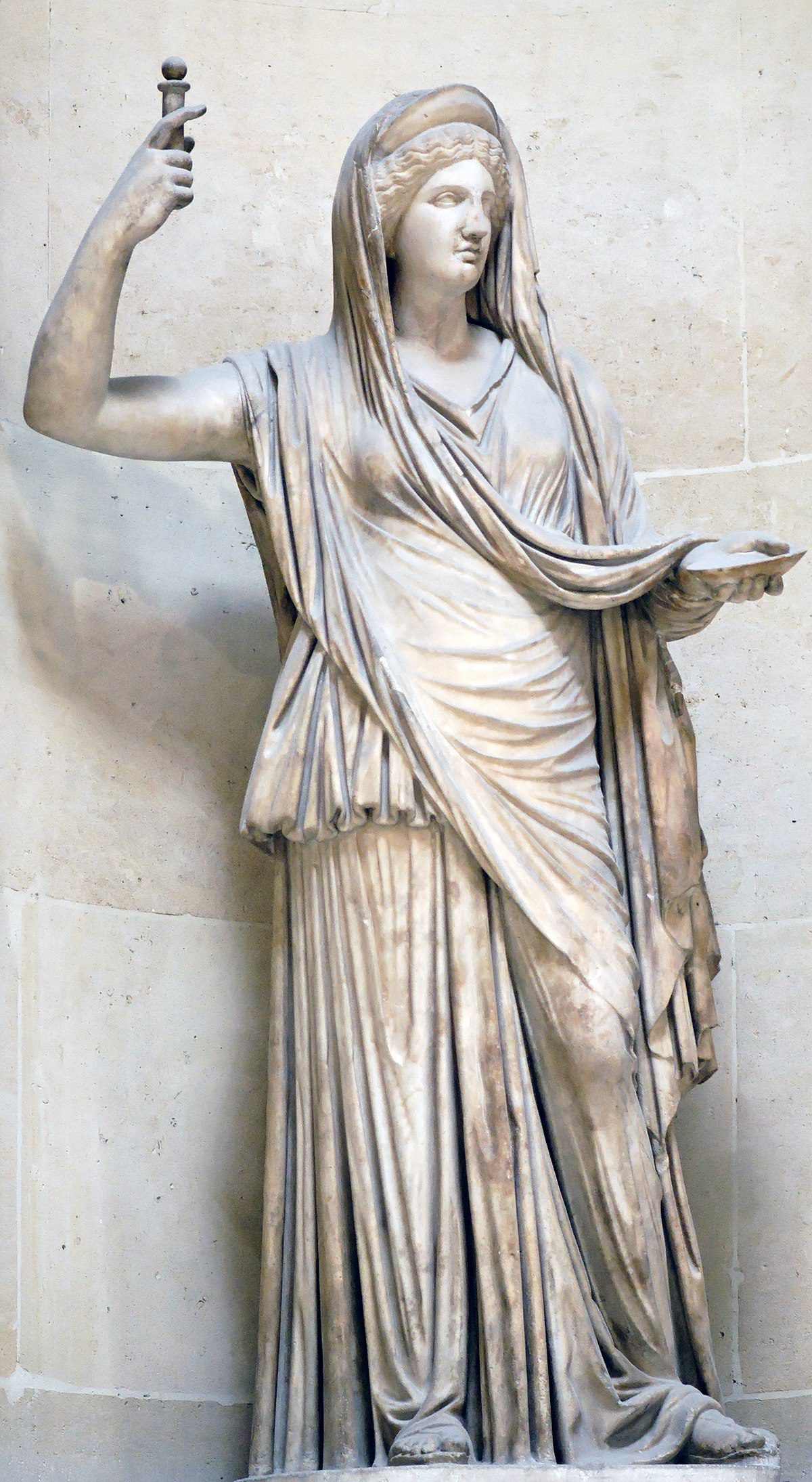
Hera, the queen of the gods in Greek mythology, is a fascinating figure with a rich history and complex personality. She is known as the goddess of marriage and family, often associated with the protection of women and children. Her relationship with her husband, Zeus, is one of the most tumultuous in mythology, filled with love, jealousy, and betrayal. Hera’s stories reveal much about the values and beliefs of ancient Greek society, particularly regarding the roles of women and the sanctity of marriage.
Hera’s Origins and Birth
Hera was born to the Titans Cronus and Rhea, making her one of the original Olympian gods. According to myth, Cronus swallowed his children to prevent them from overthrowing him, as he had done to his own father. However, Rhea managed to save Hera by hiding her at birth and giving Cronus a stone wrapped in swaddling clothes instead. Hera grew up in secrecy and was eventually rescued by her brother Zeus, who forced Cronus to regurgitate his siblings. This act of bravery led to a great battle known as the Titanomachy, where the Olympians, including Hera, fought against the Titans.
 Hermaphroditus
Hera’s upbringing in the shadow of her father’s tyranny deeply influenced her character. She often exhibited traits of both strength and vulnerability. As a goddess, she was revered for her beauty and wisdom, but her experiences with her family also instilled in her a sense of caution and suspicion. Hera’s relationship with her siblings, particularly with Zeus, would shape her future interactions and define her role as the queen of the gods.
Marriage to Zeus
Hera’s marriage to Zeus is one of the most significant aspects of her mythology. Despite being siblings, they were drawn to each other, and their union symbolized the balance between male and female powers in the divine realm. However, their marriage was far from perfect. Zeus was known for his numerous affairs with both goddesses and mortal women, which often left Hera feeling betrayed and humiliated. This led to a series of conflicts between the couple, as Hera sought to assert her power and protect her dignity.
The jealousy that Hera felt towards Zeus’s lovers and their offspring is a recurring theme in her stories. She often went to great lengths to punish those who crossed her, displaying her fierce protective nature. For instance, she famously punished Heracles, the son of Zeus and a mortal woman, by sending serpents to kill him as a baby. This act of vengeance highlights Hera’s complexity as a character who could be both nurturing and wrathful.
 Hermes
Hera’s Role as the Goddess of Marriage
As the goddess of marriage, Hera held a significant position in Greek society. She was revered as the protector of women and the sanctity of marriage. Couples often prayed to Hera for blessings on their unions, and she was celebrated in various festivals, such as the Heraea, which honored her with athletic competitions for women. This aspect of her character underscores the importance of marriage in ancient Greek culture, where it was viewed as a sacred bond that ensured the stability of society.
Hera’s influence extended beyond mere ceremonies; she was also seen as a guiding force for women in their roles as wives and mothers. Her teachings often emphasized fidelity, loyalty, and the importance of family. However, her tumultuous relationship with Zeus also served as a cautionary tale about the challenges of marriage. Hera’s struggles highlighted the complexities of love, trust, and the societal expectations placed on women, making her a relatable figure for many.
Hera in Mythological Tales
Hera appears in numerous mythological tales, each revealing different facets of her character. One of the most famous stories is the Judgment of Paris, where Hera, Athena, and Aphrodite compete for the title of the fairest goddess. Paris, a mortal prince, is tasked with deciding the winner, and each goddess offers him a bribe. Hera promises him power and kingship, while Athena offers wisdom, and Aphrodite offers the love of the most beautiful mortal woman, Helen. Paris ultimately chooses Aphrodite, which sparks a series of events leading to the Trojan War.
 Hespera
This tale showcases Hera’s ambition and desire for recognition, as well as her willingness to engage in manipulation to achieve her goals. Despite her disappointment at losing the title of the fairest, Hera’s role in the war was significant, as she supported the Greeks and sought revenge against the Trojans for Paris’s choice. Her actions during the war further illustrate her protective nature, especially towards her own children and family.
Symbols and Attributes of Hera
Hera is often associated with several symbols that reflect her divine qualities. One of her most recognizable symbols is the peacock, which represents beauty and pride. The peacock’s feathers are said to contain the eyes of her beloved servant Argus, whom she transformed into a bird after his death. This connection emphasizes Hera’s relationship with loyalty and her ability to transform pain into beauty.
Another important symbol of Hera is the diadem or crown, signifying her status as queen of the gods. This crown represents her authority and power, not only over the other gods but also over the mortal realm. Additionally, the pomegranate is often linked to Hera, symbolizing fertility and abundance, reflecting her role as a protector of women and families.
Worship and Cult of Hera
Hera was widely worshipped in ancient Greece, with numerous temples dedicated to her across the region. The most famous of these was the Heraion at Olympia, which served as a major center for her cult. Pilgrims would visit the temple to seek her blessings and participate in rituals honoring the goddess. These ceremonies often included offerings of fruits, flowers, and animals, symbolizing gratitude for her protection and guidance.
Festivals in honor of Hera were also significant, such as the Heraea, which celebrated her with athletic competitions for women. This event emphasized Hera’s connection to femininity and the empowerment of women in society. Such festivals were not only religious observances but also social gatherings that fostered community bonds among women, allowing them to come together and celebrate their roles in society.
Hera in Art and Literature
Hera’s presence in art and literature is profound, as she has been depicted in various forms throughout history. In ancient Greek pottery, she is often shown alongside Zeus, symbolizing their union and the dynamics of their relationship. Many sculptures and reliefs capture her regal beauty, emphasizing her status as the queen of the gods. Artists frequently portrayed her with the peacock, further highlighting her association with beauty and pride.
In literature, Hera appears in many epic poems, such as Homer’s “Iliad,” where her character is explored in depth. Her interactions with other gods and mortals reveal her complexity and the duality of her nature. She is both a nurturing figure and a fierce protector, embodying the struggles and triumphs of women in a patriarchal society. The portrayal of Hera in these works has influenced countless interpretations and adaptations in modern storytelling, showcasing her enduring legacy.
Lessons from Hera’s Myths
Hera’s myths offer valuable lessons that resonate even today. Her experiences with jealousy, betrayal, and the complexities of love highlight the challenges many face in relationships. Hera’s story teaches us about the importance of communication, trust, and understanding in maintaining healthy partnerships. Additionally, her role as a protector of women emphasizes the significance of female empowerment and solidarity.
Moreover, Hera’s struggles remind us that even powerful figures can experience vulnerability and heartache. Her journey reflects the universal human experience of navigating relationships, making her a relatable character for many. By examining Hera’s stories, we can gain insights into the complexities of love and the importance of resilience in the face of adversity.
Hera’s Legacy in Modern Culture
Today, Hera’s legacy continues to influence various aspects of modern culture. She appears in literature, film, and television, often portrayed as a strong, complex character. Her stories resonate with contemporary audiences, reflecting ongoing discussions about gender roles, marriage, and female empowerment. Many writers and creators draw inspiration from her mythology to explore themes of loyalty, betrayal, and the struggles of women in society.
In addition to her presence in storytelling, Hera is often referenced in discussions about marriage and relationships. Her role as the goddess of marriage has made her a symbol of commitment and fidelity, and couples still invoke her name when seeking blessings for their unions. This enduring relevance speaks to the timeless nature of her character and the values she represents.
Hera remains a powerful figure in Greek mythology, embodying the complexities of love, marriage, and womanhood. Her stories reveal much about the values and beliefs of ancient Greek society while also offering timeless lessons about relationships and resilience. As we continue to explore her myths, we gain a deeper understanding of the human experience and the enduring legacy of this remarkable goddess.