
In Greek mythology, Hemera is known as the personification of day. She is often depicted as a beautiful goddess who brings light and brightness to the world. Hemera is the daughter of Nyx, the goddess of night, and is associated with the cycle of day and night. In many ancient texts, she is described as emerging from the darkness of night to bring forth the dawn. This transition from night to day is not only a physical phenomenon but also symbolizes hope, renewal, and the endless cycle of life.
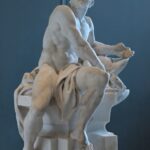
The Role of Hemera in Greek Mythology
Hemera plays a crucial role in the Greek mythological framework, particularly in the context of the creation of the world. According to some ancient sources, she was one of the primordial deities who existed at the beginning of time. Hemera was born from Chaos, the void that existed before the universe was formed. This connection to Chaos highlights her importance in the cosmic order. She is often seen as the counterpart to her mother, Nyx, who represents the night and all its mysteries.
As the personification of day, Hemera is often depicted as a radiant figure, embodying the warmth and light of the sun. She is believed to travel across the sky in a chariot, much like the sun god Helios. This journey symbolizes the daily cycle of day and night, where Hemera brings light and clarity, allowing life to flourish. In contrast, Nyx covers the earth in darkness, creating a balance between the two forces. This interplay between Hemera and Nyx illustrates the duality of existence and the importance of both light and darkness.
The Symbolism of Hemera
Hemera is rich in symbolism, representing not only the physical aspect of day but also various abstract concepts. One of the primary symbols associated with Hemera is light. Light is often seen as a source of knowledge, clarity, and truth. In many cultures, light is associated with good, while darkness is linked to evil. Hemera’s emergence from the night signifies the triumph of light over darkness, hope over despair, and knowledge over ignorance.
 Hera
Hera- Hope: The dawn brings a new day filled with possibilities.
- Renewal: Each day offers a fresh start, allowing for new beginnings.
- Life: Daylight is essential for growth and sustenance.
Another important aspect of Hemera’s symbolism is time. The cycle of day and night is a fundamental element of time, marking the passage of hours and the changing of seasons. Hemera’s role in this cycle emphasizes the transient nature of life and the inevitability of change. Just as the sun rises and sets, so too do our lives undergo various transformations. This understanding of time is essential in many mythologies, as it influences how people perceive their existence and the world around them.
Hemera in Ancient Texts
Hemera is mentioned in various ancient Greek texts, although she does not have as prominent a role as some other deities. One of the earliest references to Hemera can be found in the works of the poet Hesiod, who describes her as one of the primordial beings. In his work “Theogony,” Hesiod outlines the genealogy of the gods, and Hemera is listed among the offspring of Chaos. This placement indicates her significance in the creation myth and the order of the universe.
Another important text that references Hemera is Orphic Hymn 79, where she is invoked as a goddess who brings light to the world. The hymn highlights her beauty and the joy she brings to the hearts of mortals. The Orphic tradition often emphasizes the connection between deities and the natural world, and Hemera’s role as the goddess of day is integral to this relationship. Her presence is seen as essential for the flourishing of life, as she brings warmth and light to the earth.
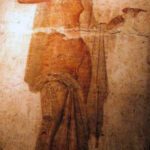 Hermaphroditus
Artistic Representations of Hemera
Throughout history, Hemera has been depicted in various forms of art, reflecting her importance in Greek culture. In ancient pottery, she is often portrayed as a beautiful woman with flowing hair, symbolizing the light of day. Artists would use bright colors to represent her radiant nature, often including elements such as the sun or clouds to enhance her imagery. These artistic representations serve as a reminder of her role in the natural order and the beauty of the world.
- Statues: Hemera is sometimes depicted in sculptures, capturing her grace and elegance.
- Paintings: Artists have illustrated her in scenes depicting the dawn, emphasizing the transition from night to day.
- Mosaics: Hemera appears in intricate mosaics, often surrounded by symbols of light and nature.
In addition to traditional art forms, Hemera has also inspired modern interpretations in literature and popular culture. Her representation as a goddess of light continues to resonate with contemporary audiences, symbolizing hope and positivity. Many modern stories draw upon her archetype, portraying characters who embody her qualities of brightness and renewal. This enduring legacy showcases the timeless nature of Hemera’s symbolism and her relevance in the human experience.
The Relationship Between Hemera and Other Deities
Hemera’s relationships with other deities in Greek mythology are significant in understanding her role in the pantheon. As the daughter of Nyx, Hemera has a unique bond with the goddess of night. Their relationship symbolizes the balance between light and darkness, highlighting the necessity of both forces in the universe. While Nyx represents the mysteries and secrets of the night, Hemera brings clarity and understanding through her light. This duality is essential for maintaining harmony in the world.
Another important relationship is with Helios, the sun god. In many myths, Hemera is closely associated with Helios, as both are responsible for bringing light to the world. While Helios is often depicted as driving the sun across the sky, Hemera is seen as the essence of the day itself. Their connection underscores the importance of light in Greek mythology, as both deities work together to create the cycle of day and night. This partnership emphasizes the idea that light is a fundamental aspect of existence.
Influence on Modern Culture
Hemera’s influence extends beyond ancient mythology into modern culture. The concept of day and light continues to hold significance in various artistic expressions, literature, and even psychology. Many people find inspiration in the idea of a new day bringing new opportunities, reflecting the hope that Hemera embodies. This connection to light and renewal can be seen in self-help literature, where the dawn symbolizes personal growth and transformation.
- Literature: Many authors draw on the imagery of dawn and light to represent new beginnings.
- Art: Contemporary artists often use light as a theme, exploring its emotional and psychological implications.
- Psychology: The symbolism of light is frequently discussed in therapeutic contexts, emphasizing the importance of hope and positivity.
Furthermore, Hemera’s legacy can be observed in various festivals and celebrations that honor the arrival of spring and the return of light after winter. These events often symbolize the triumph of light over darkness, echoing the themes present in Hemera’s mythology. As people gather to celebrate the changing of seasons, they are reminded of the cyclical nature of life and the beauty of renewal.
Conclusion: The Enduring Legacy of Hemera
Hemera, as the personification of day, holds a vital place in Greek mythology. Her role in the cosmic order, her relationships with other deities, and her rich symbolism continue to resonate with people today. From ancient texts to modern interpretations, Hemera’s influence is evident in various aspects of culture, art, and philosophy. The enduring legacy of Hemera serves as a reminder of the beauty of light, the hope of new beginnings, and the essential balance between day and night.