
Azaka Mede is a significant figure in Vodou mythology, particularly within the Haitian Vodou tradition. He is often associated with agriculture and is revered as the spirit of the harvest. His presence is deeply felt among farmers and those who rely on the land for their sustenance. Azaka embodies the connection between the earth and its bounty, and his rituals are essential for ensuring a fruitful harvest. In the Vodou pantheon, he is often depicted wearing a straw hat and carrying a tool such as a hoe or a sickle, symbolizing his role in farming and cultivation.
Origins and Background
The origins of Azaka Mede can be traced back to the African traditions brought to the Caribbean by enslaved peoples. These traditions evolved over time, blending with indigenous and European influences to create what we now recognize as Vodou. Azaka is often associated with the African deity of agriculture, known in various cultures as a spirit of the land. This connection highlights the importance of agriculture in the lives of those who practice Vodou, as it reflects their deep respect for nature and the cycles of life.
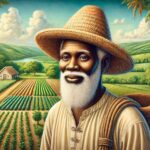 Azaka
AzakaIn Vodou, Azaka is considered a lwa, a spirit or deity that acts as an intermediary between the human world and the divine. His domain is not just limited to agriculture; he also governs the processes of growth, fertility, and sustenance. Azaka’s role is crucial, especially in rural communities where agriculture is the backbone of survival. His significance is underscored during planting and harvest seasons, where rituals and offerings are made to ensure a good yield.
Physical Representation
Azaka Mede is often depicted in a way that reflects his connection to the earth and farming. He typically wears a straw hat, which signifies his role as a farmer and protector of crops. This hat is not just a practical accessory; it symbolizes his relationship with the land and his dedication to nurturing it. His attire often includes simple, rustic clothing, emphasizing his humble nature and connection to the everyday lives of the people he protects.
In many representations, Azaka is shown holding farming tools such as a hoe or sickle. These tools are essential for cultivating the land, and their presence in his imagery serves as a reminder of the hard work and dedication required to grow food. His physical representation resonates with those who rely on agriculture, making him a relatable figure within the Vodou community.
 Aida-wedo
Role in Vodou Rituals
Azaka Mede plays a central role in various Vodou rituals, particularly those focused on agriculture and harvest. During these ceremonies, practitioners may offer food, drinks, and other gifts to Azaka to seek his blessings. Common offerings include corn, rum, and fruits, which are significant in agricultural contexts. The act of giving is not just a way to honor Azaka but also a way to establish a reciprocal relationship with him, where the community shows gratitude for the bounty of the earth.
One of the most important rituals associated with Azaka is the Harvest Festival, where communities come together to celebrate the fruits of their labor. This festival often includes music, dancing, and communal meals, creating a festive atmosphere that honors Azaka’s contributions. During the festival, people share stories about their harvest experiences, reinforcing the bonds of community and the shared reliance on the land.
Symbolism and Attributes
Azaka Mede embodies several key attributes that resonate with his followers. As a symbol of agriculture, he represents not only the physical act of farming but also the broader themes of growth, sustenance, and fertility. His connection to the earth is deeply spiritual, as he is seen as a caretaker of the land and its resources. Azaka’s presence in Vodou serves as a reminder of the importance of respecting nature and understanding the cycles of life.
 Ayizan
Additionally, Azaka is often viewed as a symbol of resilience and hard work. Farmers and those who toil the land look to him for inspiration and strength as they face the challenges of agricultural life. His story is one of dedication, illustrating the importance of perseverance in the face of adversity. This attribute resonates with many practitioners of Vodou, who find comfort and motivation in his example.
Connection with Other Lwa
In the Vodou pantheon, Azaka Mede interacts with several other lwa, creating a rich tapestry of relationships that enhance the spiritual experience of practitioners. For instance, he is often linked with Erzuli, the goddess of love and fertility. This connection emphasizes the importance of love and care in the process of nurturing the land and its produce. Together, they represent the balance between hard work and the emotional ties that bind communities together.
Another significant connection is with Ghede, the spirit of the dead. Ghede is known for his association with the afterlife and the cycle of life and death. This relationship highlights the interconnectedness of life and death in agricultural practices, where the death of one season gives way to the birth of another. These relationships among the lwa serve to deepen the understanding of the complexities of life and the natural world.
Azaka in Popular Culture
Azaka Mede has also made his way into popular culture, often appearing in literature, music, and art that explore Vodou themes. His image is used to represent the strength and resilience of the agricultural community, often serving as a metaphor for the struggles faced by those who work the land. In various artistic expressions, Azaka is celebrated for his connection to nature and his role in sustaining life.
In music, Azaka is sometimes referenced in songs that discuss the challenges of farming and the importance of community support. These songs often highlight the cultural significance of agriculture in Haitian society and the collective efforts required to overcome obstacles. Artists use Azaka’s image to evoke feelings of pride and unity among those who share the agricultural experience.
Modern Practices and Beliefs
In contemporary times, Azaka Mede remains a vital figure within the Vodou community. His teachings and practices are passed down through generations, ensuring that the connection to agriculture and the land is not forgotten. Many practitioners continue to honor Azaka through rituals that celebrate the changing seasons and the cycles of planting and harvesting. These practices serve as a way to maintain cultural identity and heritage in a rapidly changing world.
Moreover, as environmental concerns become more pressing, the teachings of Azaka take on new significance. His emphasis on respecting the land and understanding the importance of sustainable practices resonates with modern agricultural movements. Practitioners often draw inspiration from Azaka’s teachings, advocating for methods that honor the earth and promote ecological balance.
Azaka Mede is a powerful figure in Vodou mythology, representing the deep connection between humans and the land. His role as the spirit of agriculture underscores the importance of hard work, resilience, and community in the pursuit of sustenance. Through rituals, symbolism, and modern practices, Azaka continues to inspire and guide those who honor him, ensuring that the legacy of Vodou and its teachings endure for future generations.